Category : TMJ Dentistry

How to Choose the Best TMD/TMJ Treatment for You

Summary

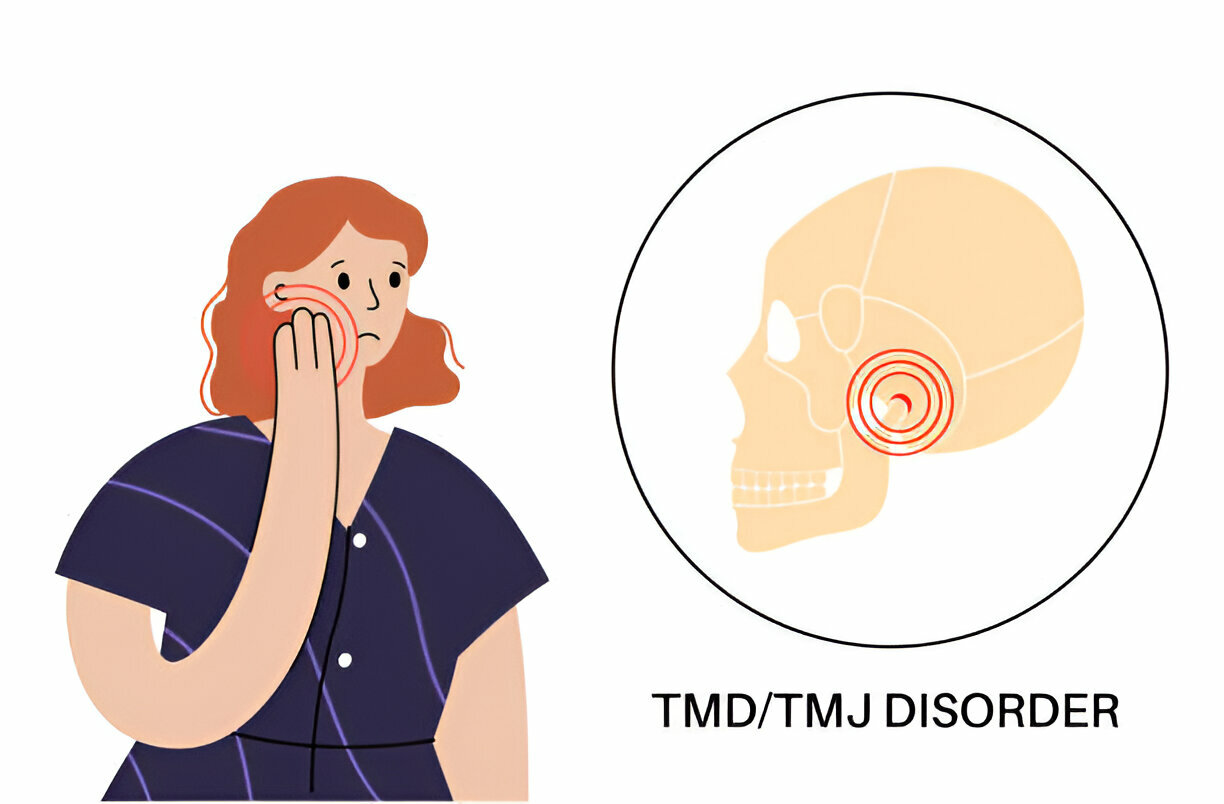
Have you ever experienced pain or discomfort in your jaw or facial muscles? You might be one of the many people who suffer from TMJ or TMD (Temporomandibular Joint Disorder), a common condition that affects the jaw joints and surrounding muscles. 

Sadly, 1 out of every 12 people in America suffer from the condition, resulting in acute pain, difficulty chewing, and even sleeping. 

However, for a majority of individuals suffering from TMJ, most of them have no idea about the underlying oral condition. No wonder they don’t visit their nearest dentist in New Mexico until the pain escalates.
How to Choose the Best TMD/TMJ Treatment for You_1

Therefore, in this blog, we take a closer look at the different options to treat TMJ via topics like: 

  • How to Treat TMJ – The Viable Options
  • Different Treatment Options for TMD/TMJ
  • Surgical Options to Treat Your TMJ/TMD
  • Navigating TMJ Pain – Tips for Daily Management

Continue reading as we learn more about the oral condition in the following sections. 

How to Treat TMJ – The Viable Options

Temporomandibular joint (TMJ) disorder can be a severe condition that affects a person’s ability to eat, speak, and smile. Fortunately, there are effective ways to treat TMJ that don’t always require surgery. 

You can also opt for a dentist for TMJ treatment in NM or a chiropractor for adjustments to straighten the jaw and release tension in the surrounding muscles. What’s more? You can also incorporate massage treatment to ease tense muscles, lower inflammation, and improve circulation. 

Different Treatment Options for TMD/TMJ

Treatment

In certain instances, the symptoms of TMJ issues may resolve naturally without therapy. However, if your symptoms persist, your doctor may prescribe a combination of treatments, sometimes more than one, to be used concurrently.

Medications

In addition to conventional nonsurgical therapies, you may undergo pharmaceutical choices to ease the discomfort associated with TMJ disorders. Here’s a list of medications to treat your TMD/TMJ:

  1. Pain relievers and anti-inflammatories: If over-the-counter medications don’t ease your TMJ pain, your dentist in Gallup, New Mexico, will recommend stronger medications. The list includes prescribed ibuprofen to relieve your pain for a brief period.
  2. Tricyclic antidepressants: Optional drugs such as amitriptyline are primarily used to treat depression. However, when consumed in small dosages, it can also be used to treat pain, bruxism, and insomnia.
  3. Muscle relaxants: These medications are occasionally used for a few days or weeks to reduce discomfort produced by muscle spasms in TMJ problems.

Therapies

While there are various medications and treatment options, you can also go for therapies to resolve your TMJ at the earliest. Let’s have a look at the different therapies involved in the treatment: 

  • Oral splints or mouth guards (occlusal appliances): Individuals suffering from TMJ/TMD are frequently suggested to wear oral splints or mouth guards. Wearing a hard or soft device placed over teeth can help individuals with jaw discomfort engage in physical activities without causing much pain.
  • Physical therapy: Treatment options may include ice, moist heat, ultrasound, and jaw muscle strengthening and stretching exercises.
  • Counseling: Counseling and education can assist you in identifying the situations and actions that could ease your pain. For instance, once you consult your TMJ experts, they will suggest how leaning on your chin, chewing your fingernails, and clenching or grinding your teeth can ease your pain.

Surgical Options to Treat Your TMJ/TMD

Arthrocentesis 

Arthrocentesis (ahr-throe-sen-TEE-sis) is a minimally invasive treatment in which tiny needles are inserted into the joint to allow fluid flow. This process is designed to remove debris and inflammatory byproducts from your cavity.

Injections 

In rare cases, corticosteroid injections into the joint may help ease your TMJ issues. However, your dentist may also inject botulinum toxin type A (Botox, others) into the chewing muscles to reduce discomfort caused by TMJ issues in other situations.
How to Choose the Best TMD/TMJ Treatment for You_2

TMJ Arthroscopy 

In certain circumstances, arthroscopic surgery can be just as beneficial as open-joint surgery in treating various forms of TMJ issues. This procedure introduces a short, thin tube (cannula) into the joint, followed by an arthroscope and small surgical tools. TMJ arthroscopy carries fewer risks and problems than open-joint surgery, but it does have significant limitations.

Open-joint Surgery 

Your dentist or physician may suggest arthrotomy (open-joint surgery) to replace or repair the joint if your jaw pain doesn’t go away with more conservative treatments. In other instances, it may also seem related to a structural problem in the joint. Open joint surgery should only be chosen after carefully considering the Family Dentist’s benefits and drawbacks, as it has more risks than other surgeries.

Navigating TMJ Pain – Tips for Daily Management

Schedule regular checkups

If you experience sharp jaw pain, consider visiting your nearest dentist for treatment of TMJ Gallup. Your dentist will check your teeth and jaw and help you devise a treatment plan. This may involve stretching and strengthening exercises for the jaw muscles, relaxation methods, and over-the-counter or prescription pain relievers. 

Practicing good habits

Apart from frequent checkups, proper oral hygiene can help you manage your TMJ pain. So make a note of any habit that may be causing your TMJ discomfort, such as clenching or grinding your teeth, and try eliminating it. One approach to do this is to practice stress-relieving practices such as yoga or meditation, as well as to limit coffee and alcohol use, both of which can reduce your TMJ pain.

Manage stress

Stress can increase TMJ discomfort; therefore, handling stress is extremely critical when it comes to managing TMJ discomfort. Additionally, avoid excessive talking and screaming since these activities might increase tension in your jaw muscles and aggravate your TMJ pain. 

How to Choose the Best TMD/TMJ Treatment for You_3

Protect your joints

When treating TMJ discomfort, it is critical to safeguard your jaw joint. Maintain a relaxed neck and shoulders, sit with your back straight, and avoid repetitive activities. It allows you to put additional tension on your jaw muscles. Talking for long periods or on the phone might also cause extra stress on your jaw joint. These actions may help relieve your TMJ pain.

Take care of your teeth

Maintaining good dental hygiene is crucial since it might lessen TMJ discomfort. When you maintain excellent oral health, it helps reduce TMJ discomfort. Therefore, use fluoride toothpaste, floss often, and brush twice everyday. What’s more? Try to steer clear of alcohol-containing over-the-counter oral hygiene solutions since they may irritate your jaw muscles.

Takeaway

  • Temporomandibular joint (TMJ) disorder can be a severe condition that affects a person’s ability to eat, speak, and smile.
  • If you experience sharp jaw pain, consider visiting your nearest dentist in TMJ Gallup.
  • Apart from frequent exams, proper oral hygiene can help you manage your TMJ pain.
  • Still confused about the possibilities of your jaw pain? Allow our experts at Sundance of Gallup to navigate through the treatment today! 

The Comprehensive Treatment Plan To Cure TMJ in Dentistry

Summary: 

Do you often feel stiffness and pain in your jaw every time you move it?

It is a great indicator of a TMJ disorder, which causes pain and tenderness in your jaws, surrounding muscles, and ligaments. You may often feel this pain if you have TMJ, which is usually caused by jawbone injuries, arthritis, and teeth grinding. 

The Comprehensive Treatment Plan To Cure TMJ in Dentistry_1

If you frequently experience pain in the temporomandibular joint (TMJ), a dentist in Bloomfield can help you smile effortlessly again. However, most people visiting our clinic have little to no idea about TMJ disorders or the procedures to relieve pain and restore jaw movements.

Keeping this in mind, we have listed crucial details in this blog that involve discussion on topics like:

  • An Overview Of Temporomandibular Joint Disorder – What is it About?
  • Understanding The Various Types Of TMJ Disorders
  • Treatment Solutions For TMJ Disorder – Everything You Need To Know
  • Is Temporomandibular Joint Disorder Curable?

Continue reading as we learn about TMJ disorders and their treatment plans in the following solutions. 

An Overview Of Temporomandibular Joint Disorder – What is it About?

Do you know that around 5% to 12% of people worldwide have TMJ disorder? They display symptoms like bruxism, headache, jaw ache, decreased hearing ability, and other jaw abnormalities. 

TMJ (Temporomandibular Joint) is a critical joint that connects your jawbone to your skull. It is a condition that affects the joints and muscles responsible for jaw movement. The common symptoms of TMJ dysfunction include clicking or popping sounds when chewing or opening the mouth, jaw pain, difficulty opening the mouth fully, and occasional headaches or earaches. 

TMJ disorder can be caused by many problems, such as jaw injuries, teeth grinding (bruxism), or stress-induced jawbone clenching. Seeking guidance from expert dentists can effectively manage your jawbone disorder and improve your quality of life.

Understanding The Various Types Of TMJ Disorders

TMJ disorder is painful and uncomfortable, affecting one’s ability to move one’s jaw freely. Recognizing the different types of temporomandibular joint disorders allows one to facilitate accurate diagnosis and effective treatment. 

Here are the various kinds of jaw joint disorders you should know about:

Myofascial Pain Syndrome

Myofascial pain syndrome involves discomfort or pain in the muscles responsible for jaw movement. Individuals with this condition may experience muscle tenderness, difficulty chewing, and pain that radiates to the face, neck, or shoulders.

Degenerative Joint Disease (Osteoarthritis)

With time, TMJ disorder can lead to degenerative changes similar to osteoarthritis in other joints. Under this condition, you may experience joint stiffness, pain, swelling, and decreased mobility. Factors such as aging, joint overuse, or previous trauma can contribute to the development of osteoarthritis in the jaw.

The Comprehensive Treatment Plan To Cure TMJ in Dentistry_2

Rheumatoid Arthritis

Rheumatoid arthritis is an autoimmune disease affecting multiple joints, including the TMJ. Inflammation of the jawbone area can lead to pain, swelling, and eventually joint damage. Individuals with rheumatoid arthritis may also experience systemic temporomandibular symptoms such as fatigue, fever, and weight loss.

Ankylosis

Ankylosis is a severe TMJ disorder that causes the fusion of the joint components, leading to limited or complete loss of jaw movement. It can result from trauma, infection, or abnormal bone growth within the joint, impairing oral functions.

Bruxism

While not a direct TMJ disorder, bruxism refers to the habitual grinding or clenching of teeth, often during sleep. Chronic bruxism can exert excessive pressure on the TMJ, leading to muscle tension, joint pain, and accelerated wear of the joint surfaces. 

Treatment Solutions For TMJ Disorders – Everything You Need To Know 

Effective management of TMJ disorders typically involves a comprehensive approach tailored to the individual’s specific TMJ syndrome symptoms and underlying causes. 

Here are various treatment solutions to address TMJ disorders and improve quality of life:

Self-care Practices

Patients should adopt self-care practices to manage TMJ disorders. Simple techniques such as applying moist heat or cold packs to the affected area can help alleviate pain and reduce inflammation. Gentle jaw stretching exercises and good posture can help improve jawbone mobility and relieve muscle tension.

Medications

Over-the-counter pain relievers such as ibuprofen or acetaminophen can be effective in managing pain and inflammation for temporomandibular joint disorders. TMJ in dentists prescribe muscle relaxants for individuals who experience muscle spasms or tension to alleviate symptoms. In some cases, we also recommend anti-anxiety medications to reduce stress-related jaw clenching and muscle tension.

Dental Treatments

Dental interventions are crucial in managing temporomandibular joint disorders, particularly when you experience bruxism or bite misalignment. Custom-fitted mouth guards or oral splints can help protect your teeth and jaw joints. Professionals may also recommend orthodontic TMJ dysfunction treatments to address bite problems and correct jaw misalignment.

The Comprehensive Treatment Plan To Cure TMJ in Dentistry_3

Injections

Some TMJ treatment dentists may recommend corticosteroid injections directly into the jaw to temporarily relieve pain and inflammation. These injections can help reduce swelling and improve jawbone function, particularly in individuals with severe or persistent temporomandibular joint symptoms who do not respond well to other treatments.

Surgical Interventions

Surgical interventions are the last thing we consider for treating TMJ disorders. It may be necessary when conservative TMD therapy has failed to provide relief or cure your temporomandibular joint disorder. Some effective surgical options include flushing the joint minimally invasively or using open joint surgery to repair or replace damaged structures. 

Is Temporomandibular Joint Disorder Curable?

Complete prevention or cure of jaw disorder is not always possible, but proactive measures can significantly reduce its severity and occurrences. Early detection of temporomandibular joint disorder and professional intervention paired with lifestyle changes can help manage jawbone disorder symptoms. 

Here are some tips to manage your TMJ disorder symptoms:

  • Awareness And Self-Care

Educating yourself about risk factors and adhering to good oral habits can substantially decrease the likelihood of developing TMJ disorder. To reduce disorder symptoms, dentist TMJ suggests avoiding teeth grinding or clenching, maintaining good posture, and managing stress. 

  • Oral Health Maintenance

Regular dental check-ups at our clinic help detect potential temporomandibular joint disorder indicators early. Our dentists offer guidance on proper dental hygiene and may suggest specific exercises to strengthen jaw muscles.

  • Avoid Excessive Jaw Stress

Chewing on complex objects (e.g., ice, pens) and excessive gum chewing can strain the jawbone joint. Limiting such activities can help reduce the risk of TMJ disorder.

While many individuals experience considerable symptom improvement with appropriate treatment of TMJ, complete resolution of the disorder may not always be possible. 

Treatment success depends on various factors, including the underlying cause, individual health conditions, and adherence to treatment plans.

Takeaway

  • The symptoms of TMJ disorder include jaw pain, tenderness, bruxism, headache, and difficulty in chewing. 
  • Many factors, including teeth grinding, stress, and jaw injuries, can cause it. 
  • Sometimes, temporomandibular joint disorder may lead to degenerative joint disease, further decreasing jaw mobility. 
  • Muscle relaxants, mouth guards, and oral splints may alleviate stress-related jaw disorder symptoms. 
  • Although an absolute cure for jaw disorder is not always possible, physical exercise, dental treatments, and avoiding jaw stress can improve its symptoms.
  • Don’t ignore the problems in your jaw; connect with our professional TMJ experts at Sundance Smiles to get the ideal treatment today. 

How TMJ Dentist Treatment Helps You Smile Again

TMJ disorders are prevalent and can affect people of all ages, but often, they go undiagnosed and unreported. Only about 50-60% of people with TMJ disorder seek treatment and are going to the dentist with TMJ.

Suffering TMJ can be painful and challenging, but we are here to help! In this blog, we take a closer look at: 

  • TMJ In Dentistry: What Is It About?
  • Leading Causes Of TMJ Disorders
  • Diagnosis Options For TMJ Patients
  • TMJ Management & Treatment Options

Continue reading as we understand more about the disorder while closely examining TMJ dentist treatment and finding answers to all your queries. 

Introduction:

1 out of every 12 people in the United States are currently affected by a TMJ Disorder, and it’s more common in women than you think. 

Research suggests a recorded prevalence of TMJ disorders globally. The numbers have moved from 7% to 30%. 

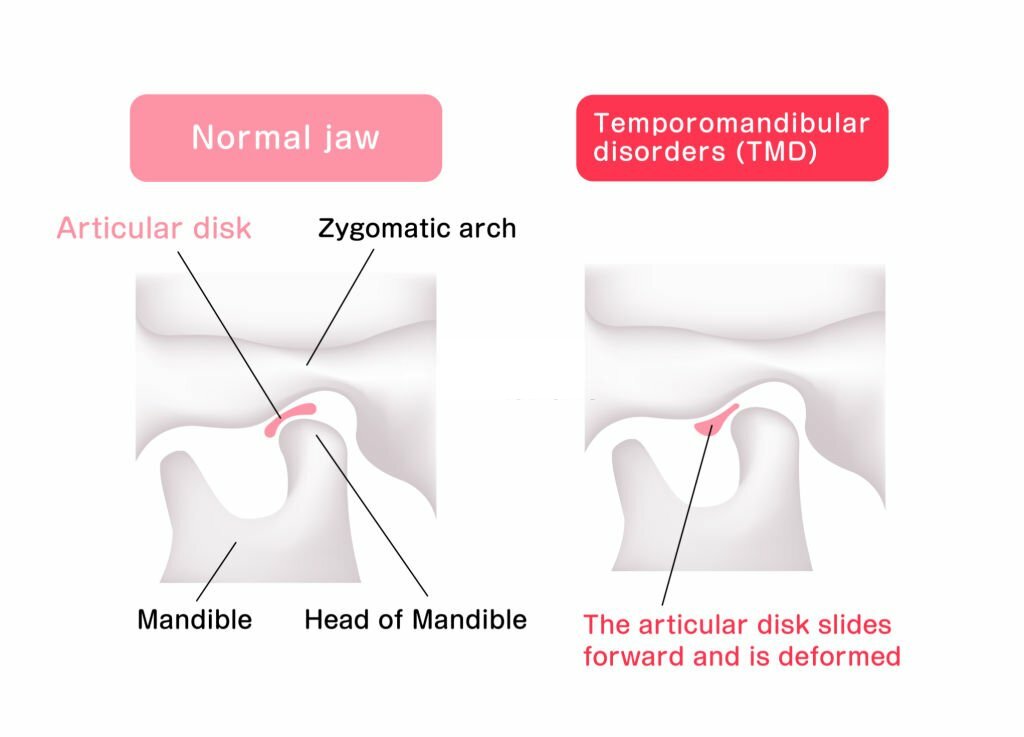
TMJ, or Temporomandibular Joint, connects your jawbone to your skull like a sliding hinge. TMJ disorders usually cause pain in the jaw joint and the muscles controlling the jaw movement. 

Interestingly, however, there are several aspects of TMJ dentistry. Let’s follow them closely in the following sections. 

TMJ In Dentistry: What Is It About?

TMJ (temporomandibular joint disease) occurs when your jaw joint does not function properly due to various factors. Although this appears to be a simple topic, the consequences can be complex and far-reaching.

Your jaw joint is located at a crucial junction in your body. It directly affects eating, drinking, speaking, and breathing. The muscles that regulate your jaw work in tandem with the muscles that maintain your neck in alignment to support your head and those on your scalp and face. 

Usually, a TMJ disorder is categorized into three different categories, namely: 

  • Disorders of your chewing muscles
  • Disorders of your jaw joints
  • Headaches that result from TMD

What’s more? Your ear is close to your jaw joint, and significant nerves and blood vessels pass through it, making TMJ disorder a critical situation that you must assess immediately. 

Leading Causes Of TMJ Disorders

When visiting your TMJ dentist, you might be surprised to know that there is no particular cause behind the disorders. It can have multiple reasons, often due to a combination of different factors. 


Here’s an overview of the most common causes and contributing factors to a TMJ disorder:

Jaw Injury or Trauma: A direct blow to the jaw or any injury to the TMJ can lead to the development of a TMJ disorder.

Teeth Grinding (Bruxism): Habitual clenching or grinding of teeth can put excessive pressure on the TMJ and its surrounding muscles, leading to TMJ problems.

Misaligned Bite: Malocclusion or an improper bite can strain the jaw joint, causing pain and discomfort over time.

Arthritis: Conditions like osteoarthritis and rheumatoid arthritis can affect the TMJ by causing damage to the joint’s cartilage.

Joint Structural Anomalies: Congenital or developmental abnormalities in the structure of the jaw or the TMJ itself can increase the risk of TMJ disorders.

Maladaptive Bite Splints or Orthodontic Devices: Poorly designed or ill-fitting oral appliances used in dental treatment can potentially exacerbate TMJ symptoms.

Genetics: Some individuals may have a genetic predisposition to TMJ disorders, making them more susceptible to developing the condition.

Stress: Chronic stress can lead to jaw clenching and teeth grinding, contributing to the development of TMJ disorders.

Similar to the causes, several trigger points can aggravate dental and TMJ disorders. Here’s an overview of different factors that make TMJ disorder worse:

  • Using your teeth to tear off cloth tags or other objects
  • Poor posture can strain your neck, face muscles, and shoulder, resulting in TMJ.
  • Overusing jaw muscles due to activities like chewing gums excessively or chewing on ice can also contribute to TMJ disorders.
  • Daytime teeth are clenching or grinding.
  • Sleeping on your stomach.

Now that we know the common causes, let’s look at some TMJ fix in the following section. 

Diagnosis Options For TMJ Patients

A TMJ dentist can diagnose if a TMJ dysfunction is discovered after a dental or physical examination. They will observe the range of motion of your mouth when you open or close it and press on your face to check the areas of discomfort or feel around the jaw joints. 

tmj function

Apart from that, temporomandibular joint disorder dentists can also perform certain imaging tests to get a closer look at the jaw joints and the structures around them.

These tests include:

  1. Dental X-rays
  2. CT (Computed tomography) scans
  3. MRI (Magnetic Resonance Imaging)
  4. TMJ arthroscopy.

Based on the test results, your dentist will suggest several management and treatment options for your TMJ disorder. 

TMJ Management & Treatment Options

The primary goal of managing and treating TMJ disorders is alleviating your symptoms, enhancing jaw function, and minimizing discomfort. 

Here are the various management and treatment options for TMJ disorders:

  1. Lifestyle Modifications- These include making small changes in your daily lives, which can significantly reduce the risks of getting TMJ disorders, like eating soft foods, avoiding extreme jaw movements, and practicing relaxation techniques to manage stress.
  2. Physical Therapy- Special exercises provided for TMJ fix by therapists or manual therapy, including massage and joint mobilization, can be helpful.
  3. Oral appliances- Splints or mouthguards are custom-made to fit your mouth and help alleviate symptoms by reducing clenching and grinding teeth. Orthodontic treatments and dental work are also an option that you can consider in TMJ.
  4. Medications- Over-the-counter pain relievers like ibuprofen can help manage the pain and inflammation. Apart from that, muscle relaxants or low doses of tricyclic antidepressants might be prescribed by dentist TMJ.

The choice of TMJ treatment is influenced by various factors, including the root cause and the extent of pain you are experiencing. Typically, TMJ treatment dentists start with noninvasive interventions such as medications and nonsurgical approaches. If there is no improvement in symptoms, then surgical procedures, including jaw surgery, are your last resort! 

Takeaway

  • The development of TMJ disorders can be multifactorial 
  • The triggers of this disorder in one person may not be the same for another. 
  • TMJ (temporomandibular joint disease) occurs when your jaw joint does not function properly due to various factors. 
  • If you are experiencing TMJ disorder symptoms, you must consult professionals of TMJ dentistry for accurate diagnosis and treatment.