
Summary:
Dental implants are a life-changing solution for those seeking to restore their smile. However, the success of the procedure hinges on proper aftercare. This blog provides a comprehensive guide to dental implant aftercare, offering essential tips for a smooth recovery, addressing common concerns, and highlighting the importance of following your dentist’s instructions for long-term success.
Blog:
Dental implants have revolutionized how we approach tooth loss, providing a durable and natural-looking solution. However, the journey continues once the implants are placed. Proper aftercare is crucial to ensure a successful recovery and the longevity of your implants. This blog will walk you through essential tips for caring for your dental implants post-surgery, common pitfalls to avoid, and how to achieve the best possible outcome.
What Should You Expect After Dental Implant Surgery
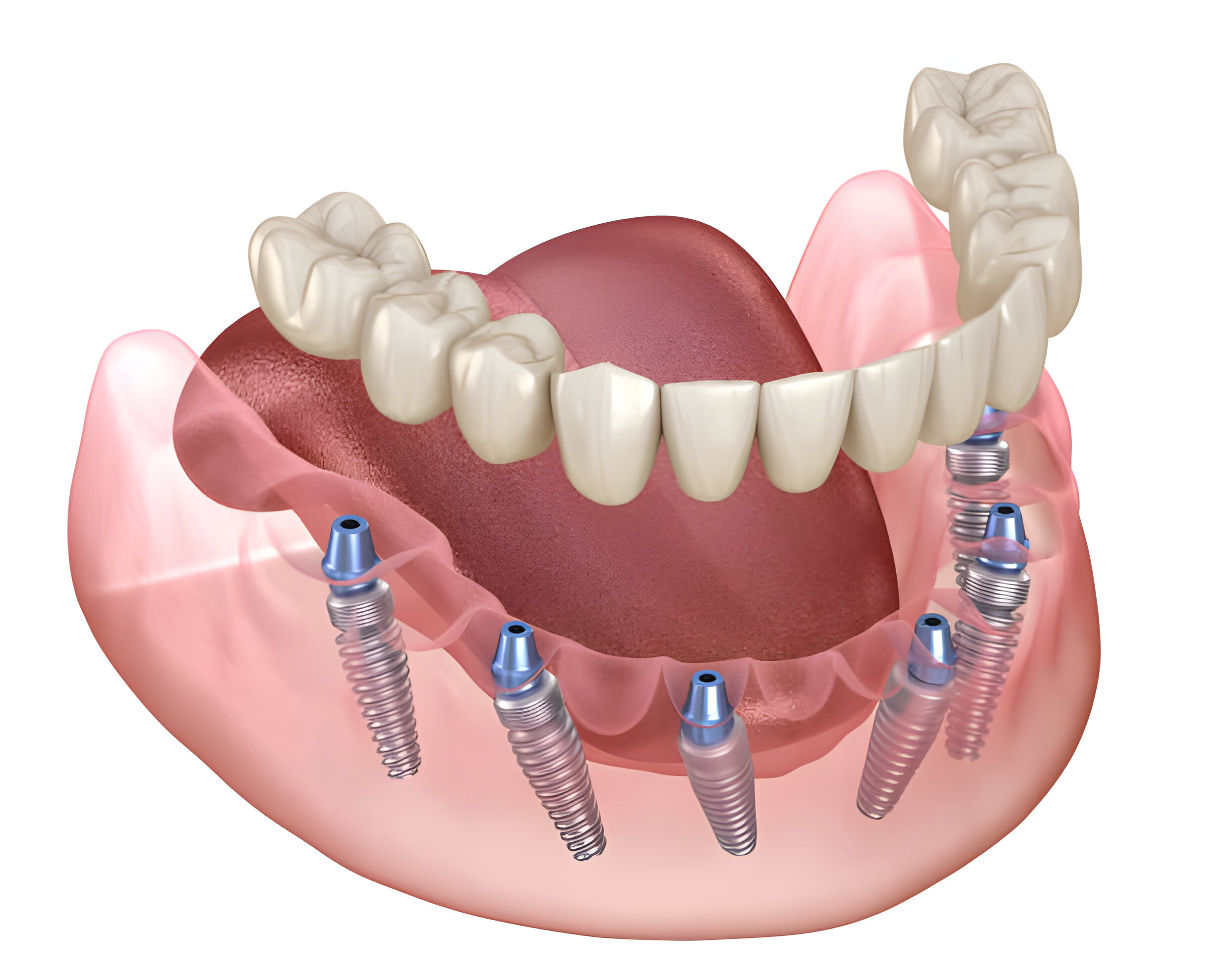
Following dental implant surgery, the healing process involves several stages, the most critical being osseointegration—the fusion of the titanium implant with the jawbone. This process can take three to six months, depending on various factors, including your overall health and adherence to aftercare instructions. Proper aftercare during this period is vital for the implant’s stability and long-term success.
You’ll likely experience discomfort, swelling, and minor bleeding in the initial days after surgery. These are normal responses to the procedure and typically subside within a week. Your dentist will provide specific instructions to manage these symptoms, including prescribed pain relief and cold compresses to reduce swelling.
Factors Affecting Recovery Time
- Pre-existing Health Conditions
Conditions such as diabetes or cardiovascular disease can slow down the healing process. It’s essential to inform your dentist of any chronic health issues before the procedure, as they may require special precautions or adjustments to your aftercare plan.
- Smoking and Alcohol Consumption
Both smoking and excessive alcohol intake can severely impede the healing process. Nicotine reduces blood flow, hindering the delivery of oxygen and nutrients to the surgical site, while alcohol can dehydrate the body and delay recovery. Quitting smoking and limiting alcohol consumption before and after surgery can significantly improve your recovery outcomes.
- Diet and Nutrition
A balanced diet rich in vitamins, minerals, and protein is crucial for healing. Soft and easy-to-chew foods, like yogurt, mashed potatoes, and smoothies, are great for the days following surgery. Avoiding hard and sticky foods will protect the implant site and promote faster healing.
- Oral Hygiene
Maintaining excellent oral hygiene is non-negotiable during recovery. Gentle brushing with a soft-bristled toothbrush and rinsing with an antibacterial mouthwash will help prevent infection. However, be cautious around the implant site to avoid disturbing the healing tissue.
4 Essential Tips for a Speedy Recovery
- Get Plenty of Rest
Your body needs time to heal, so rest is essential. Avoid strenuous activities for at least a few days post-surgery, and focus on giving your body the necessary downtime to recover.
- Follow Post-Operative Instructions
Your dentist will provide specific instructions tailored to your situation. Whether you take prescribed antibiotics, avoid certain foods, or use a special mouthwash, following these guidelines is critical to preventing complications.
- Manage Pain Effectively
Over-the-counter pain relievers can help ease the discomfort. If your dentist prescribes more vital medication, take it as directed. Applying cold compresses can reduce swelling near the operated region.
- Soft Diet
During the initial days, eat soft foods that won’t irritate the surgical region. As you get comfortable after the recovery, eat solid foods with your dentist’s approval.
Benefits of a Faster Recovery
- Reduced Risk of Complications
A quicker recovery means a lower risk of complications such as infection or implant failure. Adhering to your dentist’s instructions and caring for your oral health can minimize these risks and ensure a smooth recovery.
- Improved Implant Success Rates
The faster the implant integrates with your jawbone, the higher the chances of long-term success. Proper aftercare supports this integration process, creating a more durable and stable implant.
- Return to Normal Activities Sooner
With a speedy recovery, you’ll return to your routine faster and enjoy the full benefits of your new dental implants in Grants.
Fun Facts About Dental Implants
- Ancient Roots: Did you know dental implants have existed for thousands of years? The earliest recorded attempts date back to ancient Egypt and China, where shells and metals were used to replace missing teeth.
- High Success Rate: Dental implants have a success rate of over 95%, making them one of the most reliable options for tooth replacement.
- Strong as Natural Teeth: Once fully integrated, dental implants can withstand the same biting and chewing forces as natural teeth, allowing you to eat your favorite foods without worry.
Things to Avoid During the Recovery Phase
Certain things may delay the recovery period and even worsen the surgical site of your dental implants. To ensure a steady and successful recovery after dental surgery, it is best to avoid the points below.
- Smoking and Tobacco Use: Tobacco use is one of the leading causes of implant failure. The chemicals in tobacco can increase the risk of infection. Avoid smoking entirely during the recovery period for the best results.
- Alcohol Consumption: Alcohol can interfere with your body’s ability to heal and should be avoided until your dentist gives the all-clear.
- Hard, Crunchy, or Sticky Foods: These foods can damage the implant site and should be avoided. Stick to soft, easy-to-chew foods until you’re fully healed.
- Strenuous Exercise: While light activities like walking are okay, avoid strenuous exercise that could increase blood flow to the surgical site and cause bleeding.
When to Seek Professional Help
Monitoring your recovery and knowing when to contact your dentist is essential. Seek professional help if you experience:
- Signs of Infection: Redness, swelling, or pus around the implant site.
- Severe Pain or Discomfort: Persistent pain that doesn’t improve with medication.
- Implant Mobility: Any movement or loosening of the implant.
Dental Implants in Grants
Dental implants are a significant investment in your oral health, and proper aftercare is critical to ensuring their success. By following these guidelines, you can enjoy a smooth recovery and look forward to the long-lasting benefits of your new smile.
At Sundance Dental Grants, we’re here to support you along the way. Don’t hesitate to contact Dentist Grants with any questions or concerns about your recovery. We’re committed to helping you succeed with your dental implants in Grants.
Takeaway: Ensuring Long-Term Success after Implants
- Maintain Good Oral Hygiene: Brush and floss regularly to keep your implants clean and plaque-free.
- Schedule Regular Check-ups: Visit your dentist regularly to monitor the health of your implants and address any issues early.
- Avoid Damaging Habits: Refrain from chewing on complex objects and protect your implants from unnecessary stress.
- Make Healthy Lifestyle Choices: A balanced diet and avoiding harmful substances like tobacco will support your overall oral health and the longevity of your implants.