Category : Dental Implant

Everything You Need to Know About Dental Implants: Expert Advice from Sundance Dental in Gallup, NM

Summary

Missing teeth can impact your confidence and oral health. This comprehensive guide explores dental implants in New Mexico, their benefits, procedures, and cost considerations. Whether you’re curious about eligibility or aftercare, we provide expert insights from a trusted dentist in Gallup, New Mexico. Discover how Sundance Dental ensures a smooth, pain-free process, restoring your smile and functionality with lasting results.

Losing a tooth can be a life-altering experience, affecting your smile and your confidence, speech, and ability to enjoy your favorite foods. Fortunately, modern dentistry offers a revolutionary solution dental implants in New Mexico. Unlike traditional dentures or bridges, dental implants provide a permanent, natural-looking replacement that restores both function and aesthetics.

Everything You Need to Know About Dental Implants: Expert Advice from Sundance Dental in Gallup, NM_1

At Sundance Dental in Gallup, we understand that choosing a tooth replacement option can be overwhelming. That’s why we’re here to guide you through the entire process, from consultation to aftercare. Our expert dentist in Gallup, New Mexico, ensures that every patient receives personalized care, making dental implant placement a comfortable and successful experience.

In this comprehensive guide, we’ll explore everything you need to know about dental implants, including their benefits, procedure, cost, and maintenance. Whether you’re considering implants for yourself or a loved one, this expert advice will help you make an informed decision. Read on to discover why dental implants are the gold standard in tooth replacement and how Sundance Dental can help you regain a confident, healthy smile.

Understanding Dental Implants: What Are They?

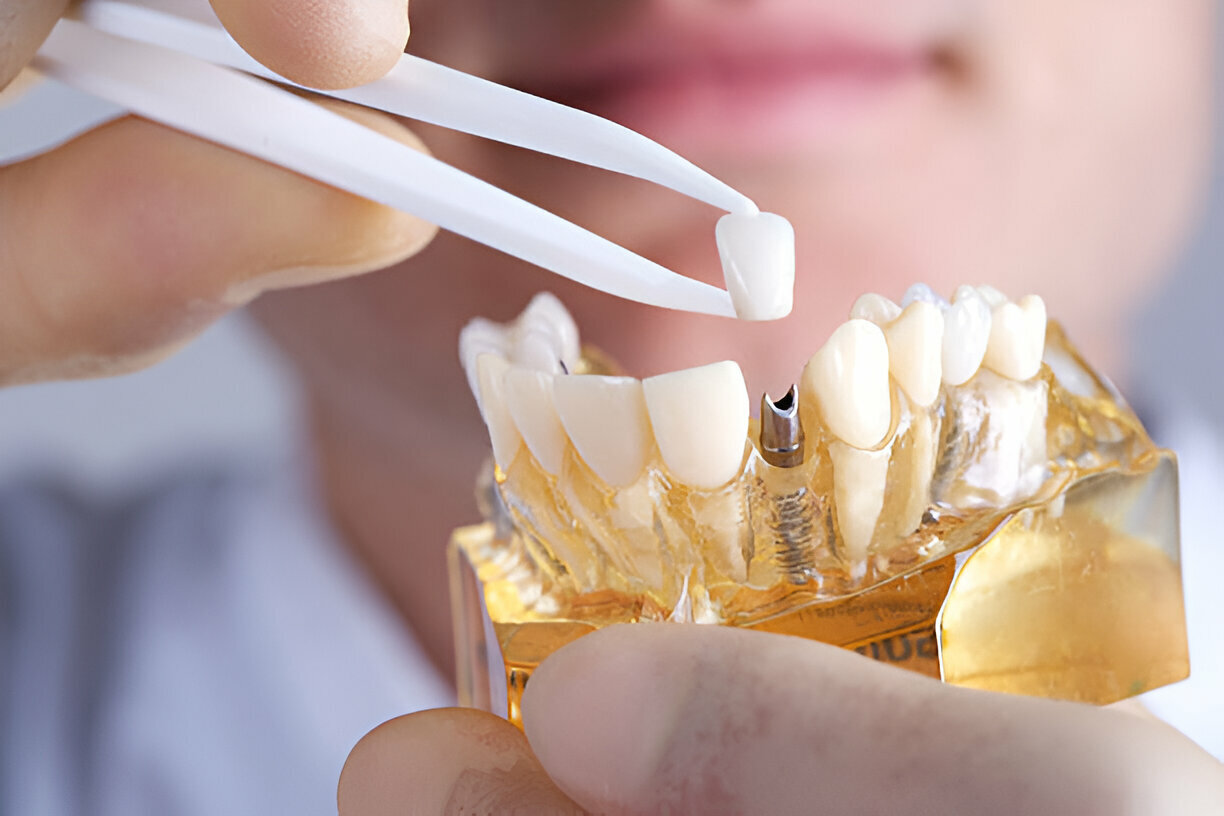
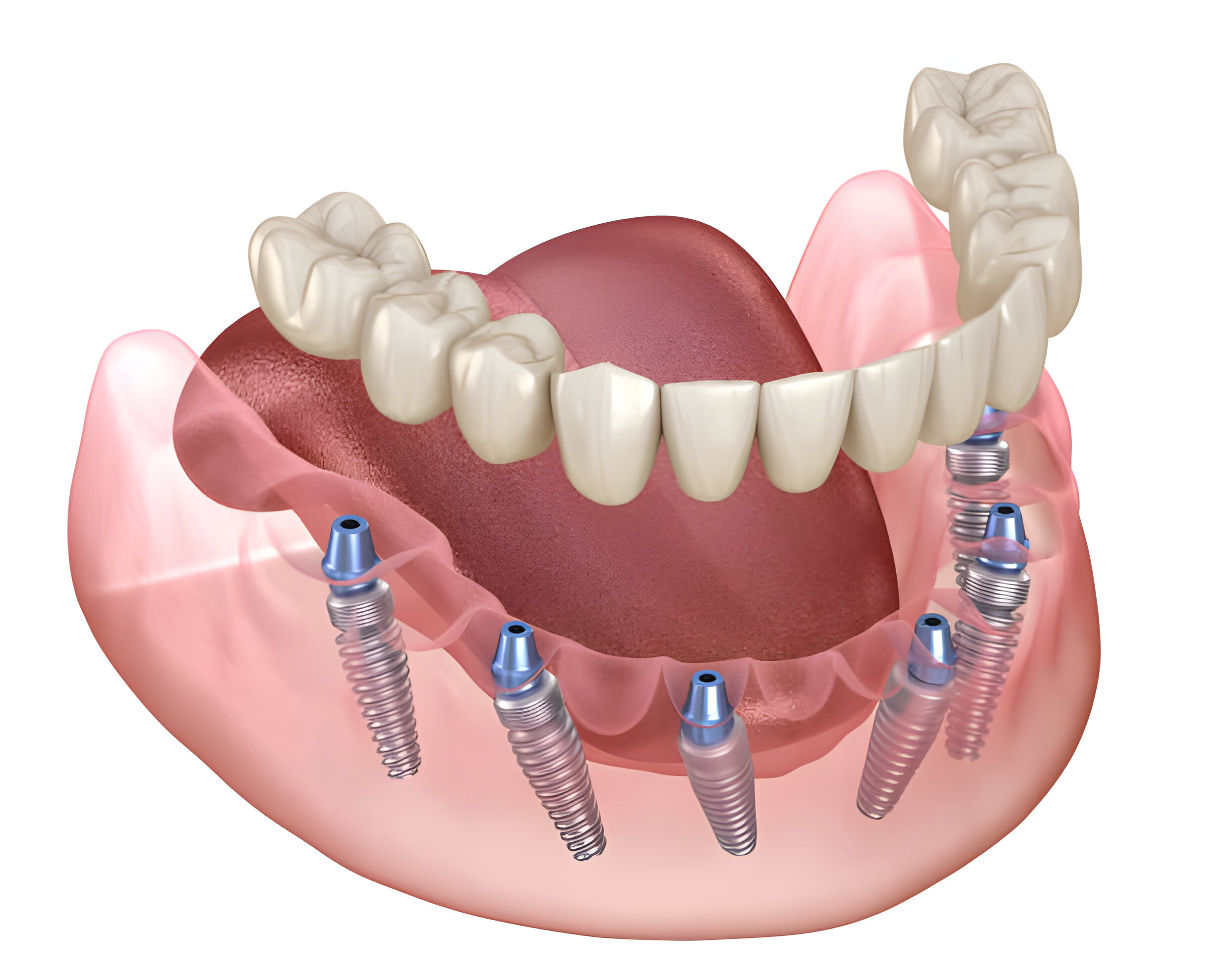
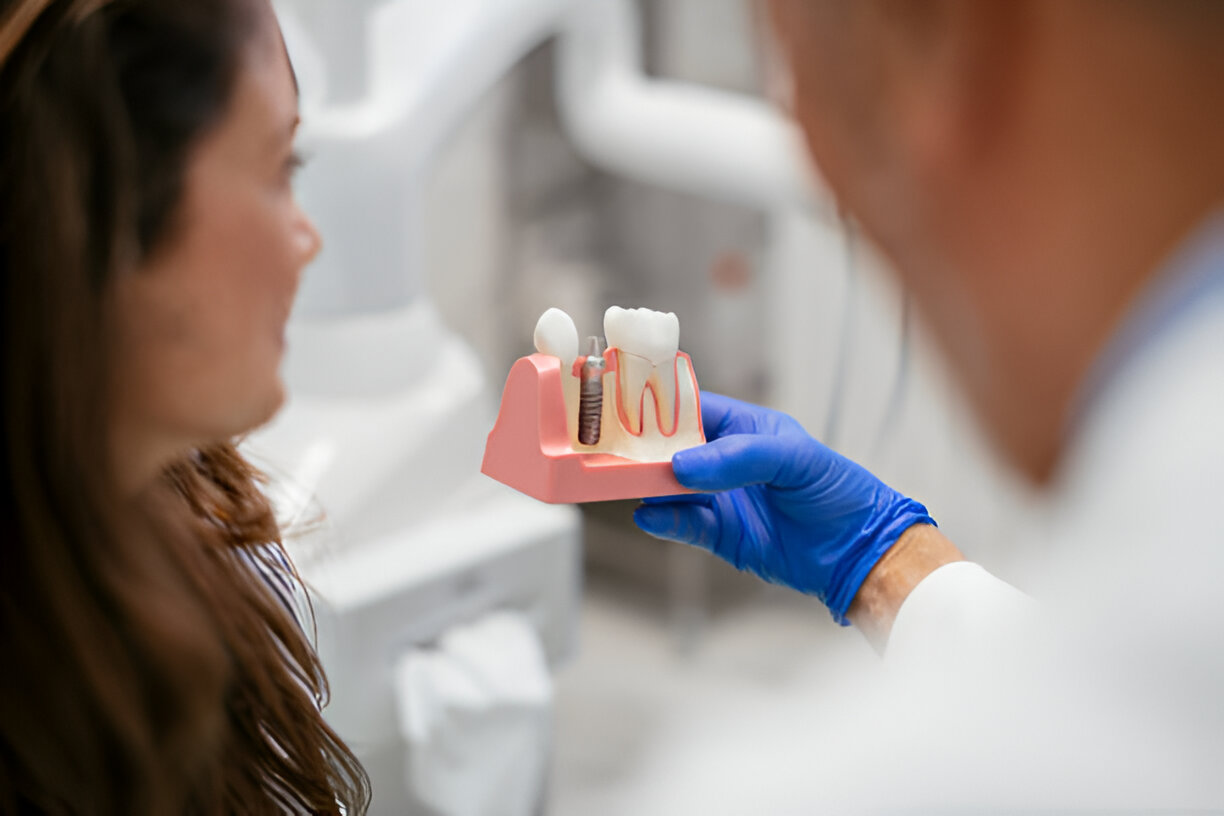
A dental implant is a titanium post surgically placed in the jawbone, acting as an artificial tooth root. It provides a sturdy foundation for crowns, bridges, or dentures, making it the preferred option for long-term tooth replacement.

Key Benefits of Dental Implants

  • Durability: With proper care, implants can last a lifetime
  • Natural Appearance: Designed to match your real teeth seamlessly
  • Improved Functionality: Restores the ability to eat and speak comfortably
  • Prevents Bone Loss: Stimulates the jawbone to prevent deterioration
  • Easy Maintenance: No special care is required beyond routine brushing and flossing

The Dental Implant Procedure: Step-by-Step Guide

1. Initial Consultation and Evaluation

At Sundance Dental, your journey begins with a thorough examination by an experienced dentist in Gallup, New Mexico. This includes X-rays and scans to assess bone density and oral health.

2. Tooth Extraction (If Needed)

If the damaged tooth is still present, it will be removed before implant placement.

3. Implant Placement Surgery

The procedure involves surgically inserting a titanium implant into the jawbone. Over the following several months, osseointegration occurs, allowing the implant to merge with the bone.

4. Abutment and Crown Placement

When the implant has healed, an abutment is screwed onto it. Then, a custom-made crown is placed on top for a more realistic appearance and feel.

Are You a Candidate for Dental Implants?

Most individuals with good oral and overall health qualify for dental implants in New Mexico. However, ideal candidates should meet the following criteria:

  • Healthy Gums: Strong, disease-free gums support implant success.
  • Sufficient Jawbone Density: A strong jawbone is necessary to anchor the implant securely.
  • Good Oral Hygiene Habits: Regular brushing, flossing, and professional dental care improve implant longevity.
  • No Uncontrolled Health Conditions: Conditions like uncontrolled diabetes or heavy smoking can hinder healing and may require additional evaluation.

If you’re unsure whether implants are right for you, consult a trusted dentist in Gallup, New Mexico, for a thorough assessment.

Cost of Dental Implants: Investment in Your Smile

The cost of dental implants in Mexico varies based on several factors:

  • Number of Teeth Replaced: Single implants cost less than full-mouth restorations.
  • Additional Procedures: Bone grafts or sinus lifts may increase the overall expense.
  • Type of Implant and Materials: Premium materials may have a higher upfront cost but offer enhanced durability.

Long-Term Value:

  • Unlike traditional dentures, implants provide a permanent, natural-looking solution.
  • They prevent bone loss, preserving facial structure and oral health.
  • Their durability eliminates frequent replacements, making them a cost-effective investment over time.

At Sundance Dental, we provide flexible payment plans to make dental implants in NM more accessible to our patients.

Caring for Your Dental Implants

Proper care is essential to maintaining your dental implants and ensuring their longevity. Follow these simple steps:

  • Daily Oral Hygiene:
    • Brush at least twice a day using a soft-bristled toothbrush.
    • Floss daily to remove plaque buildup around the implants.
  • Lifestyle Adjustments:
    • Avoid chewing on hard foods like ice or non-food objects.
    • Quit smoking to enhance healing and long-term success.
  • Regular Dental Check-Ups:
    • Visit your dentist in Gallup, NM, for professional cleanings and implant evaluations.
    • Address any discomfort or unusual changes promptly.

With proper care, dental implants can last a lifetime, providing you with a healthy and confident smile.
Everything You Need to Know About Dental Implants: Expert Advice from Sundance Dental in Gallup, NM_2

Common Myths About Dental Implants

Despite their popularity, several misconceptions surround dental implants in Mexico. Let’s debunk some of the most common myths:

  • Myth 1: Implants are painful – The procedure is performed under anesthesia, ensuring minimal discomfort. Most patients report that recovery is far less painful than expected.
  • Myth 2: Implants look unnatural – High-quality materials and precise customization make implants indistinguishable from natural teeth.
  • Myth 3: Implants require excessive maintenance – They need no more care than natural teeth—just regular brushing, flossing, and dental visits.
  • Myth 4: Implants are only for older people – Anyone with missing teeth, regardless of age, can benefit from implants if they meet health requirements.

Understanding these myths helps patients make informed decisions and embrace implants as a reliable, long-term solution for missing teeth.

Fun Fact

Did you know that the first modern dental implant was placed in 1965? Today, dental implant technology boasts a success rate of over 95%!

Takeaways

  • Dental implants provide a durable, natural-looking solution for missing teeth.
  • The procedure involves multiple stages, including healing time.
  • Candidates need good oral health and adequate bone structure.
  • While implants cost more upfront, they are a long-term investment.
  • Regular care and professional check-ups ensure implant longevity.

For expert advice and personalized care, visit Sundance Dental in Gallup, NM, and take the first step toward restoring your smile today!
Dental Implants Aftercare: Tips for a Successful Recovery

Summary:

Dental implants are a life-changing solution for those seeking to restore their smile. However, the success of the procedure hinges on proper aftercare. This blog provides a comprehensive guide to dental implant aftercare, offering essential tips for a smooth recovery, addressing common concerns, and highlighting the importance of following your dentist’s instructions for long-term success.

Blog:

Dental implants have revolutionized how we approach tooth loss, providing a durable and natural-looking solution. However, the journey continues once the implants are placed. Proper aftercare is crucial to ensure a successful recovery and the longevity of your implants. This blog will walk you through essential tips for caring for your dental implants post-surgery, common pitfalls to avoid, and how to achieve the best possible outcome.

Dental Implants Aftercare: Tips for a Successful Recovery_1

What Should You Expect After Dental Implant Surgery

Following dental implant surgery, the healing process involves several stages, the most critical being osseointegration—the fusion of the titanium implant with the jawbone. This process can take three to six months, depending on various factors, including your overall health and adherence to aftercare instructions. Proper aftercare during this period is vital for the implant’s stability and long-term success.

You’ll likely experience discomfort, swelling, and minor bleeding in the initial days after surgery. These are normal responses to the procedure and typically subside within a week. Your dentist will provide specific instructions to manage these symptoms, including prescribed pain relief and cold compresses to reduce swelling.

Factors Affecting Recovery Time

  • Pre-existing Health Conditions

Conditions such as diabetes or cardiovascular disease can slow down the healing process. It’s essential to inform your dentist of any chronic health issues before the procedure, as they may require special precautions or adjustments to your aftercare plan.

  • Smoking and Alcohol Consumption

Both smoking and excessive alcohol intake can severely impede the healing process. Nicotine reduces blood flow, hindering the delivery of oxygen and nutrients to the surgical site, while alcohol can dehydrate the body and delay recovery. Quitting smoking and limiting alcohol consumption before and after surgery can significantly improve your recovery outcomes.

  • Diet and Nutrition

A balanced diet rich in vitamins, minerals, and protein is crucial for healing. Soft and easy-to-chew foods, like yogurt, mashed potatoes, and smoothies, are great for the days following surgery. Avoiding hard and sticky foods will protect the implant site and promote faster healing.

  • Oral Hygiene

Maintaining excellent oral hygiene is non-negotiable during recovery. Gentle brushing with a soft-bristled toothbrush and rinsing with an antibacterial mouthwash will help prevent infection. However, be cautious around the implant site to avoid disturbing the healing tissue.

4 Essential Tips for a Speedy Recovery

  • Get Plenty of Rest

Your body needs time to heal, so rest is essential. Avoid strenuous activities for at least a few days post-surgery, and focus on giving your body the necessary downtime to recover.

  • Follow Post-Operative Instructions

Your dentist will provide specific instructions tailored to your situation. Whether you take prescribed antibiotics, avoid certain foods, or use a special mouthwash, following these guidelines is critical to preventing complications.

  • Manage Pain Effectively

Over-the-counter pain relievers can help ease the discomfort. If your dentist prescribes more vital medication, take it as directed. Applying cold compresses can reduce swelling near the operated region.

  • Soft Diet

During the initial days, eat soft foods that won’t irritate the surgical region. As you get comfortable after the recovery, eat solid foods with your dentist’s approval.

Dental Implants Aftercare: Tips for a Successful Recovery_2

Benefits of a Faster Recovery

  • Reduced Risk of Complications

A quicker recovery means a lower risk of complications such as infection or implant failure. Adhering to your dentist’s instructions and caring for your oral health can minimize these risks and ensure a smooth recovery.

  • Improved Implant Success Rates

The faster the implant integrates with your jawbone, the higher the chances of long-term success. Proper aftercare supports this integration process, creating a more durable and stable implant.

  • Return to Normal Activities Sooner

With a speedy recovery, you’ll return to your routine faster and enjoy the full benefits of your new dental implants in Grants.

Fun Facts About Dental Implants

  • Ancient Roots: Did you know dental implants have existed for thousands of years? The earliest recorded attempts date back to ancient Egypt and China, where shells and metals were used to replace missing teeth.
  • High Success Rate: Dental implants have a success rate of over 95%, making them one of the most reliable options for tooth replacement.
  • Strong as Natural Teeth: Once fully integrated, dental implants can withstand the same biting and chewing forces as natural teeth, allowing you to eat your favorite foods without worry.

Things to Avoid During the Recovery Phase

Certain things may delay the recovery period and even worsen the surgical site of your dental implants. To ensure a steady and successful recovery after dental surgery, it is best to avoid the points below.

  1. Smoking and Tobacco Use: Tobacco use is one of the leading causes of implant failure. The chemicals in tobacco can increase the risk of infection. Avoid smoking entirely during the recovery period for the best results.
  2. Alcohol Consumption: Alcohol can interfere with your body’s ability to heal and should be avoided until your dentist gives the all-clear.
  3. Hard, Crunchy, or Sticky Foods: These foods can damage the implant site and should be avoided. Stick to soft, easy-to-chew foods until you’re fully healed.
  4. Strenuous Exercise: While light activities like walking are okay, avoid strenuous exercise that could increase blood flow to the surgical site and cause bleeding.

When to Seek Professional Help

Monitoring your recovery and knowing when to contact your dentist is essential. Seek professional help if you experience:

  • Signs of Infection: Redness, swelling, or pus around the implant site.
  • Severe Pain or Discomfort: Persistent pain that doesn’t improve with medication.
  • Implant Mobility: Any movement or loosening of the implant.

Dental Implants Aftercare: Tips for a Successful Recovery_3

Dental Implants in Grants

Dental implants are a significant investment in your oral health, and proper aftercare is critical to ensuring their success. By following these guidelines, you can enjoy a smooth recovery and look forward to the long-lasting benefits of your new smile.

At Sundance Dental Grants, we’re here to support you along the way. Don’t hesitate to contact Dentist Grants with any questions or concerns about your recovery. We’re committed to helping you succeed with your dental implants in Grants.

Takeaway: Ensuring Long-Term Success after Implants 

  1. Maintain Good Oral Hygiene: Brush and floss regularly to keep your implants clean and plaque-free.
  2. Schedule Regular Check-ups: Visit your dentist regularly to monitor the health of your implants and address any issues early.
  3. Avoid Damaging Habits: Refrain from chewing on complex objects and protect your implants from unnecessary stress.
  4. Make Healthy Lifestyle Choices: A balanced diet and avoiding harmful substances like tobacco will support your overall oral health and the longevity of your implants.

The Impact of Mexico’s Dental Implants on Oral Health

Summary:

With over 156+ million Americans missing at least one tooth, have you ever wondered how most of them manage a picture-perfect smile?

The answer is a dental implant! These oral appliances are like a natural-looking artificial tooth anchored to your jawbone. Over the years, oral implants have been the go-to option for millions of individuals, making them the #1 restorative appliance. 

In this blog, we take a closer look at:

  • Dental Implants – Science Behind the Artificial Tooth
  • The Implant Process – What Goes Behind the Scenes?
  • How Implants Impact Jawbone Preservation
  • Dental Implants and Adjacent Teeth
  • Long-term Effects of Implants on Oral Health

Continue reading as we learn more about false tooth implants in the following sections.

Dental Implants – Science Behind the Artificial Tooth

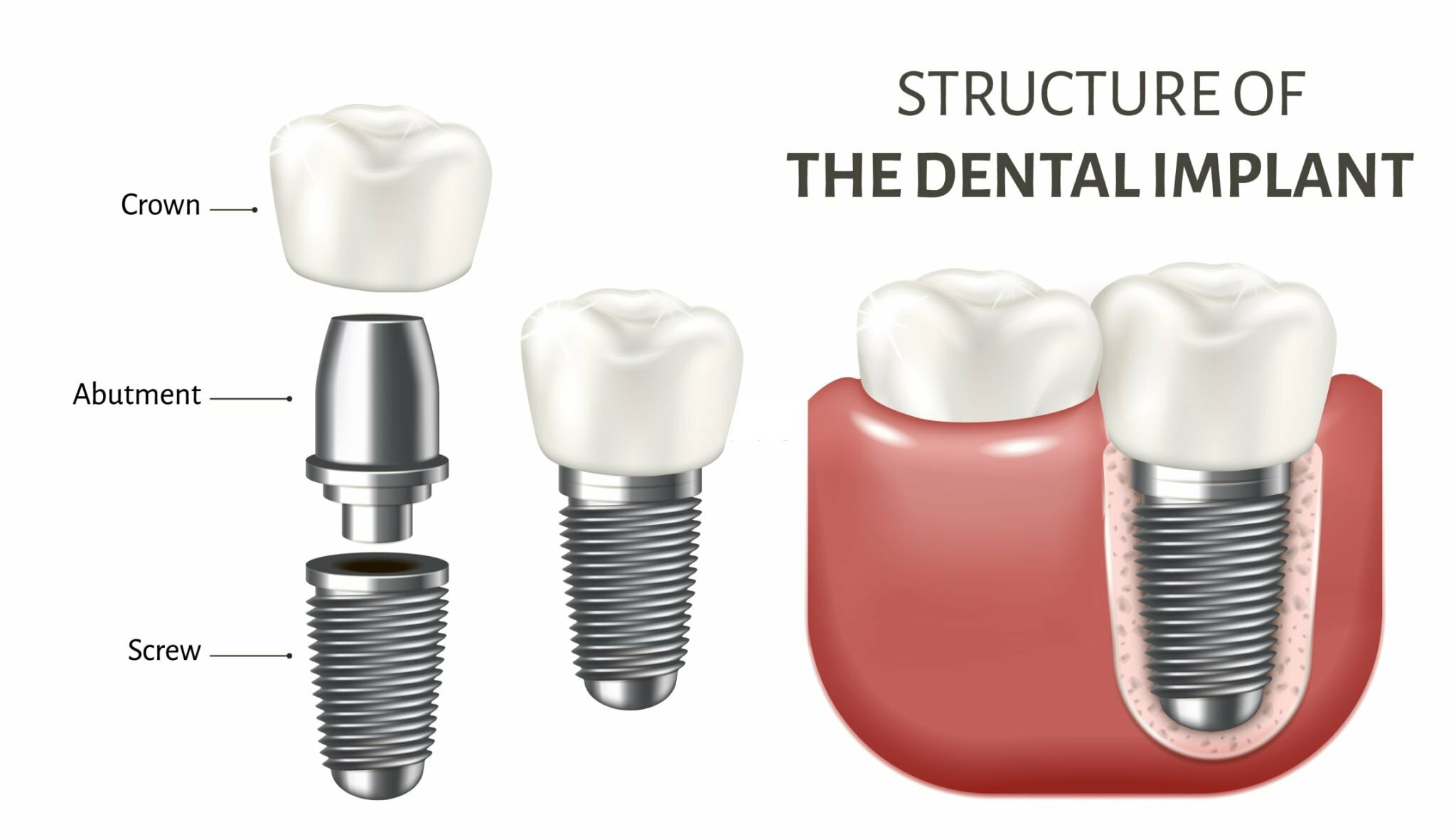
Dental implants are prosthetic teeth designed to mimic your natural tooth. A dental implant primarily comprises three main components, namely: 

The Impact of Mexico's Dental Implants on Oral Health_1

  • Implant: The implant is like a screw that is posted surgically into your jawbone. It substitutes for your tooth root, providing a solid base for the oral appliance. 
  • Abutment: The abutment is the second core part of an implant. It connects the implant to the crown and is visible over the gumline. 
  • Crown: The crown is the last part of a dental implant. It sits on the implant to give you the look and feel of a natural tooth. 

Dental fixture’s fundamental function and goal is to provide a secure basis for prosthetic teeth. Dental fixtures, as opposed to typical tooth replacement solutions such as bridges or dentures, mirror the structure of natural teeth. They enhance functionality and aesthetics, allowing patients to speak, smile, and eat comfortably.

The Implant Process – What Goes Behind the Scenes?

Once you visit your nearest dentist in Bloomfield for the oral implant procedure, they will walk you through the following stages of the treatment: 

Stage 1 – Preparation:

The first stage of the implant treatment generally begins with the necessary preparation. To design a personalized treatment plan, the dentist will take x-rays and imprints of the patient’s teeth. They will also give you pre-surgery advice, such as not smoking or taking certain drugs.

Pretreatment procedures (if needed):

Your dentist may suggest pretreatment procedures to ensure the success of the operation. These techniques may differ based on the patient’s demands and circumstances. Bone grafting, scaling, cleaning, and extraction are a few examples.

Stage 2 – Surgery:

The surgery begins in the second stage of the treatment. Dentists generally use local anesthetics, typically used for dental implant surgery. 

At this stage, the prosthetic oral root is inserted into the jawbone through a tiny incision in the gum tissue made by the dentist. While the implant heals, the patient is given a temporary replacement bridge or tooth.

Stage 3 – Osseointegration and Abutment Placement:

Once the implants are placed in your gum, they will osseointegrate with the jawbone for several months. The osseointegration process generally highlights a healing process as it lays the groundwork for the new oral appliance.

Besides, once your implant has healed and fused with the jawbone, it’s time to place abutment on the implant.  This little component joins the implant to the oral appliance. 

The Impact of Mexico's Dental Implants on Oral Health_2

Stage 4 – Replacement Tooth or Bridge:

Finally, the dentist will screw the appliance into place on the abutment. This replacement tooth will seem and operate exactly like a natural tooth, giving the patient better oral health and a more confident smile.

Tip:

While looking for the ideal teeth implant professionals, look for dentistry with cutting-edge oral technologies. Your chosen clinic should have advanced technologies like 3D printing and digital imaging to provide accurate implant placement and restorations, increase treatment results, and lower the risk of problems.

How Implants Impact Jawbone Preservation

Tooth loss can have serious consequences for the underlying jawbone. When a tooth falls out or is removed, chewing forces no longer stimulate the jawbone. As a result, the bone gradually begins to resorb or degrade. 

This might result in face alterations such as aged or hollow appearance. This is critical for the preservation of the jawbone. They offer essential stimulation to the jawbone while chewing by functioning as fake roots. This stimulation promotes bone density and prevents bone loss. 

Preserving the jawbone ensures the implant’s stability and lifespan while adding to the facial bones’ strength and structure.

Dental Implants and Adjacent Teeth

Dental implants, in addition to preserving jawbone, improve the alignment and stability of neighboring teeth. When a tooth is lost, the teeth next to it might move or tilt into position over time. 

This can result in biting issues, difficulty with adequate oral care, and probable teeth loss. It prevents nearby teeth from moving by replacing the lost tooth and providing stability. They keep neighboring teeth aligned, ensuring correct occlusion and bite. 

This improves overall dental function, helps to improve oral hygiene, and lowers the risk of subsequent teeth loss.

Benefits Of Dental Implants For Oral Health

1. They’re a more permanent solution 

Unlike other replacement solutions such as dentures or bridges, dental fixtures are a long-term solution since they are surgically placed into the jawbone. Placing the implant of teeth gives stability and longevity, allowing patients to maintain a functioning and natural-looking smile for years to come.

2. Implants prevent bone loss: 

The capacity of implants to induce bone formation is one of its key advantages. When a tooth is pulled, the surrounding jawbone deteriorates due to a lack of stimulation. Dental fixtures, on the other hand, work as prosthetic roots and preserve the jawbone’s integrity, avoiding bone loss and retaining face structure.

3. They improve oral function: 

When done by professionals at New Mexico Dental Implants, these appliances restore complete chewing capability, allowing people to consume their favorite meals freely. They give a firm and secure base for biting and chewing, supporting optimal digestion and general health.

4. Enhance speech and confidence: 

Your missing teeth can significantly impact your speech, creating issues with clarity and pronunciation. It closes the gaps and restores normal speaking patterns. Furthermore, fixtures boost confidence and self-esteem by improving the smile’s appearance. This improves both personal and professional social connections.

5. Promote oral health: 

Unlike other oral replacement methods, dental implants do not necessitate changes to surrounding healthy teeth. This helps to retain natural teeth while also improving overall oral health. It is also simple to clean and maintain, lowering the risk of dental disorders like gum irritation or decay.

Long-term Effects of Implants on Oral Health

  • Improved bone density:

When teeth are lost, the jawbone deteriorates, resulting in bone loss and facial anatomy alterations. Anchored dental fixtures stimulate the bone, reducing bone loss and increasing bone density.

The Impact of Mexico's Dental Implants on Oral Health_3

  • Improved oral hygiene:

Implants are simple to care for and maintain, requiring as much brushing and flossing as natural teeth. Dental fixtures can minimize the incidence of decay and periodontal disease, among other oral disorders, by encouraging improved oral hygiene.

  • Improved appearance:

Dental implants have the appearance and feel of natural teeth, enhancing the attractiveness of your smile and facial structure. They help prevent the sunken-in effect that might result from tooth loss, allowing you to maintain your young appearance. It is one of the most common benefits of oral fixtures that patients anticipate.

Takeaway

  • Oral implants are a great alternative to missing natural teeth. They give you the look, appeal, and confidence of a natural smile. 
  • Unlike other replacement methods, fixtures do not necessitate changes to surrounding healthy teeth.
  • Once you lose a tooth, the teeth next to it might move or tilt into position over time. 
  • Don’t lose the charm in your smile; make the most of your aesthetics with our Sundance Smiles experts today! 

Dental Implant Procedure: Everything You Need to Know

Missing teeth can throw you off the edge! It can not only change the way you smile but also alter your face shape over time. This, in turn, could give way to other oral health problems while making you self-conscious about your smile. 

At times like these, replacing missing teeth becomes your only option. When consulting your dentist for the same, they suggest you get an implant for dental space. 

But what are dental implants? What is the procedure? 

Let’s find out as we learn more about tooth implantation and the overall procedure in the following sections of the blog. 

What Are Dental Implants?

Dental implants are a part of restorative dentistry. They’re an incredible option for individuals who have sustained tooth loss due to accidents, diseases, or other natural causes. Traditional options like crowns and dentures cannot solve oral issues, but they are the best option to resolve them.

Dentists place implants as artificial tooth roots into the jawbone to provide a foundation for holding prosthetic teeth in place. This way, the implants function more like a natural setup with tooth roots. The result is a natural-looking artificial tooth. 

Dentists in Grants, NM, generally break down the oral process into three different steps: 

  1. The titanium-based implant.
  2. The abutment: A post that connects the crown to the implant.
  3. The crown acts as a tooth.

So now that we have a basic idea of what dental implants are let’s learn more about the implant tooth process in the following sections of the blog. 

Different Stages Of Dental Implants Procedure

Stage I: Examination & Extraction

The first stage of your implantation teeth procedure begins with examining your teeth. Once the dentist has a good idea of your oral health, they suggest you improve it or proceed with an extraction. 

This step requires you to visit a dentist for a few hours and proceed with the extraction process. This would allow the professional to make a place for the new setup. 

After successfully proceeding with the extraction, you’d be required to wait some time to heal. Once done, your dentist will move you to the next stages of the procedure. 

Stage II: Placing The Implant

After your dentist has successfully examined and extracted the tooth, placing the implants comes next in the implant’s dental procedure. This stage comprises several steps, namely:

  • Your gum will be sliced open by an oral surgeon, revealing your jawbone.
  • Once the dentist drills holes in the bone, they place the implant post that forms an artificial root. 
  • If you choose, you can cover the gap with a removable or temporary denture for aesthetic reasons until the permanent tooth can be fixed to the implant.

However, if you have a subperiosteal implant, your jawbone won’t be drilled during the tooth implant steps. During such instances, the implant post will be placed above or on the bone.

Besides, no matter the implant your dentist suggests, expect to feel some swelling or discomfort afterward. This may last for several days. 

Stage III: Surgical Insertion 

Once the implant dental integration occurs and the post becomes one with your jaw bone, it becomes your new tooth root. It caters to the crown placed or plugged into your oral region, supported by an abutment to maintain the connection between the implant and crown.

Once the dental implant is placed, it takes 2 to 6 months before new bone is formed around it. Also known as osseointegration, this process means “combining with the bone.” 

The native jaw bone will thicken and expand around the dental implant during osseointegration. This maintains it securely in place to serve as the root of the fake tooth.

Stage V: Placing The Abutment & Crown

Once your jawbone fully integrates with the implant, the dentist installs an abutment in your oral cavity. In this stage of Grants for teeth implants, your dentist will connect the implant crown or replacement tooth to the implant. 

It is generally completed via microsurgery, where a professional opens the gums to place the abutment. This stage typically requires a local anesthetic and takes a few hours to execute. 

In the final step of the procedure for dental implants, your dental surgeon will shape a replacement tooth to fit your existing tooth structure. 

Takeaway To Prepare For A Dental Implant Procedure

Location

A dental implant procedure typically requires you to spend time at the dental office throughout the treatment. Therefore, ensure you look for a location close to your abode or within a few miles.

Food & Drink

If you get local anesthesia, you can eat a light meal a few hours before the procedure. On the contrary, if you’re having an IV sedation, it’s wise not to eat anything after midnight or earlier that night before surgery. 

Medications

Your dentist may advise you to take antibiotics for a few days before surgery to stop early implant failure. Or, they might also want you to rinse with a specific antibacterial mouthwash like chlorhexidine.

Pre-Op Lifestyle Changes

Smoking can impede the healing process, which could reduce the success of dental implants. If you smoke, discuss if getting dental implants is suitable for you with your dentist.

Now You Know!

A dental implant procedure is divided into different steps, all of which are designed to ensure you a flawless smile and good oral health. Since these implants fuse with your jawbone, you need to stay in touch with your dentist for implant and get an in-depth idea of the process. All the best!

Visit Our Professionals Today!

Dental implants can be lifesaving. However, hunting for the ideal implant dentist can be a challenge. At Sundance Dental & Orthodontics, we bring you professional implant specialists who bring out the best of your smile. Visit us today or call us at 505-972-3000 to book an appointment. 

Dental Implants: The Ultimate Solution For Your Missing Teeth

Tooth loss can be unsettling! It can impact your smile, confidence, and ability to speak. Today, we have various traditional tooth replacement options, such as bridges and dentures. However, dentists in Gallup suggest that most individuals avoid such options as they’re inconvenient and uncomfortable. 

But does this mean you should suffer from missing teeth?

No! Fortunately, dental implants offer a more comfortable, natural-looking, and permanent solution to one or a few missing teeth. Dental implants have revolutionized people’s approach to tooth loss, offering a more permanent solution to restore their oral health and add to their smile. It’s an excellent option for individuals who have lost a tooth or a few teeth, losing their self-esteem and quality of life. 

This article explores the advantages of dental implants and the procedure in detail. So continue reading as we understand more about this dental appliance in the following sections. 

What Are Dental Implants?

Dental implants are a leading tooth replacement option. These appliances resemble an artificial tooth that is surgically fixed into your jawbone. Once there, it starts acting as a root for your tooth, adding to your oral health and lifestyle. 

Implants comprise two parts, a titanium screw and a crown that sits over it. The titanium screw, a biocompatible material, is responsible for providing a stable foundation for the crown and acting as a replacement tooth or teeth. 

On the contrary, the crown is made of ceramic or porcelain to match the shape and color of the natural teeth, resulting in a seamlessly natural smile.

The Foundation Of Dental Implants

The process of dental implants generally begins with you visiting professional clinics like Sundance Implant. The surgery starts once you’re through with the queries about the procedure. 

During the initial phase of the surgery, the dental implant surgeon will insert small titanium screws into your jaw. This way, the screw replaces your tooth roots and forms a bond with the biocompatible screw via osseointegration.

The next stage of the surgery begins once your oral cavity is healed and the osseointegration process is complete. Once done, it acts as a fixture for supporting different types of restoration, such as:

  • Denture for replacing an arch. 
  • It acts as a bridge to replace a stretch of teeth.
  • Crown to replace a missing tooth.

In the final stage of the implant dentistry procedure, your dentist will place a customized matching crown on your tooth. This way, you’ll have a natural-looking artificial tooth in no time. 

So now that we have an idea of what dental implants are and the procedure involved in fixing them let’s check out the perks of opting for these appliances. 

Benefits Of Opting For Dental Implants

Implants Feel & Resemble Natural Teeth

Thanks to the advancements in modern dentistry, dental implants have come to a stage where they represent natural teeth. Interestingly, implants not only look but also give you a similar feeling. 

Once you undergo the procedure, your tongue won’t be able to differentiate between your existing teeth and an implant. This is mostly because implants don’t use overnight soaking procedures or adhesives like dentures. Once screwed to your jawbone, they’re a part of your oral setup. 

Implants Preserve Bone Loss

Losing a tooth or teeth can significantly impact your oral cavity. This mostly occurs in the form of bone loss. Wonder why? This is because the bone in your face supports your gums and jaw, lowering the potential risk of oral health issues or fractures. Besides, bone loss can also impact your facial structure, resulting in early sagging and atrophy. 

However, that’s not the case if you opt for dental implants. Since implants bond to the jawbone, they minimize bone loss and encourage regrowth. This way, you’re no longer at risk of early sagging or atrophy. 

Implants Restore Your Oral Health

Since implants are made of biocompatible products, they do not negatively impact your existing healthy teeth. Moreover, their placement into the jaw allows these oral appliances to help you chew using your mouth rather than impact the soft surrounding gum tissues or adjacent teeth. 

This way, implants play a major role in protecting and preserving your surrounding gums and teeth. Moreover, implants are your best option if you’re looking for a treatment plan that doesn’t affect the adjoining teeth or compromise your bite force. 

They Allow You To Eat Your Favorite Food Items

The freedom to enjoy your favorite food items is the most significant advantage of opting for implants. Compared to other tooth replacement options that limit you from eating certain food items, implants are much easier on your diet. Once your implant is placed and healed, you can eat almost every food item.

Now You Know

This brings us to the end of our blog on dental implants and how they restore our oral health and lifestyle. So now that you have an idea of these appliances’ significance, we hope you take up the procedure with full confidence. All the best! 

Visit Our Professionals Today

Opting for dental implants can initially seem scary. However, when you let expert professionals look after your oral procedure, you no longer need to worry about the process. So experience hassle-free treatments at Sundance Smiles today and enjoy the best outcomes. 

Dental Implants Procedure: Steps Involved In The Treatment

If statistics are to be believed, over 3+ million US citizens have dental implants. This number is further expected to grow by 500,000+ per year by 2025. 

Dental implants are no longer a taboo. Instead, they’re the go-to option for people with one or more missing teeth, as it helps maintain oral health and add to your overall appeal. 

However, you can’t simply visit your nearest dental in Farmington NM, and get implants. A dental implant procedure involves several steps and stages before you’re all set with the perfect smile. 

This blog looks at the different steps involved in the dental implant procedure. So continue reading as we walk you through the various stages in the following sections. But first, let’s have a quick overview of dental implants. 

What Are Dental Implants?

Dental implants are a part of restorative dentistry. They’re an excellent option for individuals who have lost one or more teeth to natural causes or accidents. Dentists surgically insert dental implants, artificial tooth roots, into the jawbone to serve as a foundation for holding a prosthetic tooth in place.

When consulting a professional for dental implants Farmington, you’ll come across three major components of the appliance, namely:

  • The implant is made from titanium
  • The crown acts as natural-looking teeth.
  • The abutment is a post that connects the implant and the crowd. 

So now that we have a fair idea of what dental implants are let’s have a brief walkthrough of the different stages of the procedure. 

Steps Involved In The Dental Implants Procedure

A dental implant procedure is carried out in numerous stages. Patients generally need a few months of visits to get their flawless grins. It typically involves a few consultations and can last up to a month. 

Here’s an overview of the different stages of the procedure to give you an insight into the process:

Stage I: Preparation

The first stage of getting a dental implant is connecting with a dental clinic specializing in surgical procedures. Once you’ve found your qualified dentist, the next step requires thoroughly examining your mouth. During this phase, your dental expert will examine your overall health and create a treatment plan. 

Based on your teeth’ condition, your dentist might suggest extraction or wait for some time before moving into implant placement. Once all the details are acquired, it’s time to move to the next stage. 

Stage II: Placing The Treatment

Your dentist will fix an appointment for the next stage and invite you to their clinic. Your dental professional will examine you and suggest the number of implants inserted in your mouth based on the examination.

Once through with the decision, they will place anesthetics to start the second phase. First, the surgeon cuts through the gums to drill a hole and place the titanium screw. Next, a metal post is screwed into place. 

Note: Dentists usually suggest a healing period between four to six months after this stage of the dental implant procedure. 

Stage III: Installing The Abutment

This stage generally begins once the implant is fully integrated and healed. This is the most crucial phase of the process as it connects the replacement tooth or crown to the implant. 

Your dentist will perform minor surgery to open the gums and place the abutment in this stage. After fixing the abutment, they may offer you a temporary crown to avoid the discomfort of metals sticking to the surrounding gums.

Stage IV: Fitting The Crown

Once you finish the extraction and abutment process, you must undergo one final surgical procedure. In this stage, your dentist takes a fresh impression to shape the replacement tooth and fit it seamlessly into your gum. 

So once the swelling has gone down after the Stage III procedure, it’s time to put a crown on the area. Again, you can take your pick from natural-looking, flashy, or permanent golden teeth based on your requirements.

Stage V: Recovering From The Surgery

The final stage of getting a dental implant requires you to recover from the surgical procedures. Here, you should connect with your dentist to get relief from swollen gums, gum bruising, or pain around the implants. 

However, while you’re in the recovery stage, it’s wise to avoid the following:

  • Tough Foods: Raw vegetables or steak 
  • Chewy Foods: Bagels and gummies 
  • Spicy Foods: Salsa and hot peppers
  • Crunchy Foods: Popcorn and chips
  • Sticky Foods: Taffy and caramel
  • Acidic Foods: Oranges and tomatoes
  • Hot Foods & Liquids: Coffee and soup

Besides your eating habits, you could also avoid physical activities that could harm your oral health.

Now You Know

Unlike other tooth replacement options, implants are designed to mimic your teeth’ natural structure and function, providing a long-lasting and reliable solution. With advancements in technology and materials, dental implants have become a safe and comfortable procedure with a high success rate. Implants can also help prevent bone loss and maintain the integrity of your jawline, improving your oral health and overall well-being. 

Consult The Experts

Dental implants are a complex procedure, especially when not done under the supervision of experts. If you’re considering dental implants, it’s important to consult with a qualified dentist or oral surgeon to discuss your options and create a personalized treatment plan. Dental implants can provide a beautiful and functional smile for years with proper care and maintenance.

So don’t risk your oral health; choose the trusted professionals from Sundance Dentals. Book an appointment today or call us at 505-326-6800.

Why Are Dental Implants So Crucial For Your Teeth?

You’re more prone to struggle with low self-esteem if you suffer from two or maybe more bad teeth. Besides, when having chipped or misaligned teeth, your dental hygiene may also be in jeopardy, which is more serious. 

There is, thankfully, a remedy for tooth loss, dental implants. While the dental procedure is comparatively new, many individuals realize the advantages of dental implants.

They are created to feel, look, and operate like your natural teeth to give you confidence in your smile. Furthermore, when choosing specific locations like dental implants in Grants or nearby locations, the procedure might be more cost-effective than other tooth replacement methods.

Continue reading as we explore more such details in this long-term dental implant solution. As we explore further, this blog will offer you a detailed overview of the facts you need to know about dental implants.

What Are Dental Implants?

The branch of dentistry is ever-evolving. As a result, the need for new and improved dental procedures is recurring, mainly because nobody wants to undergo painful treatments. Therefore, making to the list of new and effective dental treatment procedures are dental implants, a great alternative to the age-old ‘dentures.’ 

These implants are a revolutionized approach to dentures. Once you start using implants, you will never need to worry about your dental implants falling out, only when you smile or engage in public speaking while you have them. 

As a result, you won’t need to be concerned about your dental restorations falling while enjoying your favorite dishes. What’s more? Dental implants require maintaining them once a day and twice daily, similar to how you would like your teeth and gums.

Dental implants are one of the best procedures to help you with a better, more natural alternative to lost teeth. Interestingly, implants often outperform other lost tooth treatments, making it ‘patients favorite’ at the Farmington dentist. 

The Procedure For Dental Implants

A dental implant grants a secure custom-made dental crown in position. Typically, a dental implant consists of a small bolt made of platinum or titanium that a surgeon inserts into the jawbone.

Zirconia implants have since been given FDA permission for use. Zirconia is a complex, white ceramic material, and during the last four years, demand has skyrocketed.

If there is not enough bone to support the implant, you will need a bone graft performed by a Farmington dentist. 

Bone insufficiency can be brought on by aging, gum disease, accidents, and other circumstances. For example, if the implant is placed into the jaw bone and the sinuses need to have their surrounding bone grown up, the patient may undergo a sinus lift first.

However, professional implants dentist still needs to advise this for youngsters whose bone structures are still maturing, while young adults can have them accomplished.

Moreover, implant surgery is much less likely to succeed in people who smoke, take suppressive medicines, recently had radiotherapy to the mouth or throat, have uncontrolled diabetes, crush their teeth during the night, or have any of these conditions.

What Kind Of Pain Do Dental Implants Cause?

Implant placement surgery, despite being a minimally invasive procedure, nonetheless leaves patients with considerable discomfort. Therefore, a small gingival line medical cut is performed during a typical implant insertion surgery to reveal the bones.

Your dentist will next create a small incision in the bone to place the dental implants. The technique frequently involves local anesthetic for you, so you typically don’t feel any pain from the implants.

Your dentist takes an image of your mouth with an intraoral sensor and uploads it to computer software. Next, the machine carefully plans the operation, right down to the attachment position, spot, and implant length.

How Much Healing Time Do Dental Implants Need?

Most patients equate implants for dental therapy to having teeth pulled and find it straightforward. People could think about returning to their jobs or regular schedules the next day.

Taking painkillers is advised by experts if you begin to develop any aches. Similar to other dental procedures, it is best to avoid spicy foods, and providing a cold pack can lessen swelling.

Integrating the surface of implants with your tissues during the healing process could take as many as three months. When it has fully recovered, the next step is to place the crowns, which will look like a regular tooth.

Conclusion

Dental implants have developed significantly. The major options for restoring missing teeth in the past were dentures and bridgework. Likely, dental work will ultimately displace these options.

Thanks to technological breakthroughs, dental implants in Grants allow everyone to overcome their fears. Although they are now more easily obtainable than they formerly were, professionals are still developing the technology to ensure that as many people as possible may utilize it.

Welcome, A More Confident Smile!

Getting the picture-perfect smile needn’t be a hassle anymore! With our dental professionals at Sundance Dental & Orthodontics, you’re only a step away from expert guidance and advice to assist you with all the steps in the process. So wait no more, walk in at our clinic, or call us at 505-326-6800.

A Practical Overview On Failures And Problems With A Dental Implant

The Academy of Implant Dentistry estimates that over 30 million Americans lack a complete set of teeth in at least one jaw! With so many people losing at least one or more teeth, what’s the best way to restore your confident, natural smile?

The answer is hidden in teeth implants in Grants. If you’ve lost teeth, you know that many solutions are available, and one of the best for long-term care is dental implant treatment. This dental procedure restores your confidence and gives you the feeling of natural teeth. 

Similarly, there are certain drawbacks to dental treatment as well. From time to time, a dental implant may have issues. This article provides an overview of common problems and failures that can occur with a dental implant. These include improper placement, infection, poor bone quality, nerve damage, sinus issues, and more. Knowing the risks and preventive measures is essential to avoid dental implant complications.

Continue reading as we look at some of the problems and issues one might face while wearing a dental implant.

What Failures Can Dental Implants Have?

As per dental Gallup, NM experts, implant placement carries some health concerns, just like any other type of surgery. However, when they do arise, problems are primarily manageable and infrequent. 

Dental implant problems that can commonly occur can be as follows:

Failure Of Osseointegration

When your implant undergoes osseointegration, the surrounding bone grows. If osseointegration fails, the implant won’t be strong enough to support the crown. If a dental implant fails, it could come out naturally, or you might need to remove it. 

However, if your dental implant falls off, your dentist can decide whether to replace it or consider another alternative.

Improper Implant Placement

Sometimes, your implant placement by your dentist could go wrong. Difficulties can come from issues with the post or angle of the imperfect dental implants. For example, it’s possible that the implant won’t correctly merge with the bone, will be too close to the neighboring tooth, and hurt or become loose or break. 

You might need to have the implant pulled or changed if this occurs. Before and after dental implants, you must get a medical opinion from a different dentist in dental Gallup, NM.

Prior Medical Conditions

Your general overall health significantly impacts how quickly your gums heal after receiving dental implants. The healing process may take longer for some medical problems. Due to the slow healing, the dental implant may not properly integrate with the jaw bone and may eventually become loose.

 Let your dentist know about any drugs you are taking because some have been known to slow down the healing time after surgery.

What Are the Risks of Getting Dental Implants?

In addition to the failures, dental implant surgery may provide several potential health hazards. They are: 

Sinus Damage 

Sinus damage is a significant dental implant risk. Your nasal sinuses are right below your upper jaw. A tooth implant used to replace your front teeth may pierce the sinus, which might cause pain or even an infection. Specialized physicians of dental Gallup, NM, will let you know how to handle the problem if this occurs.

Surgical Complications

Dental implants are not an exception to the danger of surgery causing nerve damage, bleeding, infection, or harm to the surrounding tissues. In addition, dental anesthesia has its hazards, so you should be informed of them if you decide to use them during your operation. 

When dental implants are placed by a skilled professional, there are fewer chances of medical complications happening.

Infection

Dental implant surgery has an infection risk, just like any other oral surgical operation. As your wounds heal, your dentist will advise you on how to keep them clean. Call your dentist if you have any of the following: discomfort, swelling, or fluid seeping from the incision site. You might need further surgeries if you have a gum or bone infection.

Nerve Damage

Implant surgery has the potential to harm nerves. Before the treatment, your dentist should take X-rays to find the nerves in your mouth. It would help to talk to your dentist about the dangers before the treatment, as nerve injury can have long-lasting effects.

Pain, stiffness, or stinging can result from nerve injury. In addition, your gums, lips, chin, and natural teeth might all be affected.

Conclusion

Dental implants are perfectly safe when placed by an experienced teeth implant grants specialist. Even though many dentists today provide dental implants, it’s essential to choose a specialist who knows a wide range of situations and has regularly conducted this treatment.

Talk to your dentist about all the dangers before deciding to have teeth implant grants. Notify them of any medical issues you have and the medications you use. Then, you can choose if implants are the top pick for you with the assistance of your dentist.

Stay Precautious With Dental Implants!

Looking at the problems with the process, you might get intimidated! However, when done by the expert professionals at  Sundance Dental & Orthodontics, it’s a walk in the park! So come, visit or call us today at 505-722-4422.

Are You In a Dire Need of a Dental Implant? Know the Length of the Whole Implant Process

There can be instances where you lose a tooth. Be it your old age or an accident, anything that causes you to lose teeth can be disappointing. You might even feel embarrassed to open your mouth having a missing tooth. 

Losing teeth might leave you with physical pain. It might even cause mental discomfort as your appearance changes with a missing tooth. However, it is not a cause of worry because a dental implant procedure can help you. 

If you visit your dentist in Farmington, NM, they will suggest getting a dental implant as soon as possible. A missing tooth can make you prone to other dental conditions. These generally include deteriorating jaw or shifting teeth. 

You may opt for emergency dental implants, but this process does not happen within a blink of an eye.

How long does it take for your dental implant process to conclude? Let’s find out. 

  • Preparation Stage

Once you experience tooth loss, you might have to visit your dentist in Farmington, NM. The dentist will examine your tooth loss condition and decide whether the dental implant is the thing for you. 

Generally, when you lose a tooth, you will have to wait until your gums heal completely. For this, your dentist might suggest you some antibiotics.

There are also situations where a person with a missing tooth might have a very soft jawbone. In such a case, the dental implant procedure might become challenging. Consequently, you might undergo a bone grafting procedure to prepare your bone for the upcoming surgery. 

In the bone grafting procedure, the dentist takes a piece of bone from another part of your body and places it in your jaw. Your dentist in Farmington, NM, might use an artificial bone instead. Once this gets done, a patient should wait for the bone graft to heal. 

The preparation stage does not end here. After the healing of the bone graft, the dentist might examine whether you are a perfect candidate for this procedure. 

  • Duration of Treatment

We hate to say it, but emergency dental implants take a long time. In addition, the length of the treatment might vary among different patients based on their oral needs. 

People with good oral health and strong jawbone might not have to wait too long. For example, on losing teeth, they only have to wait for their gums and mouth to heal. The natural healing process takes a few days or weeks. 

The dentist will execute the process when your bone is ready for the dental implant. The dentist will first make a titanium implant in the missing tooth’s area. Let us tell you how this implant happens. 

  • Titanium Implant

After the bone grafting procedure and the healing of your jaw, it becomes ready for the implant. Your dentist in Farmington, NM, will drill a hole in your jaw to implant the titanium metal post. 

This implant will act as the root of the tooth you just lost. The titanium will bond with your jaw and serve as a base for your implant. 

After the conclusion of the titanium implant, your mouth again needs time to heal. Unfortunately, it would take several weeks and months for it to heal. In the meantime, you can consider getting a temporary denture from your dentist. It will save you the embarrassment of having a tooth gap in your smile. 

  • Adding Crown

The last step in your emergency dental implant is adding the crown. This step materializes when your mouth has fully recovered from the titanium implant. 

Now that you are all set to get the crown, your dentist will take a 3D scan of your mouth. It will let him know the exact form, size, and shape of the tooth that will match your teeth. Accordingly, he will affix a crown that will give you a natural smile. 

The Total Length Of A Dental Implant Process

The dental implant process can range from three to nine months. It involves a series of steps such as assessment and x-rays, surgical placement, healing time with a temporary prosthesis, and then applying a permanent restoration. However, the duration might extend if something goes wrong or the healing takes time. In some cases, the entire process may be completed within a few weeks, while in others, it may take many months. Usually, you will find yourself getting a final touch of the treatment a year or so after losing a tooth. So, you should avoid rushing into emergency dental implant procedures to get quality results. 

  • Now You Know!

Dental implants are unlike any other orthodontic treatment that you may come across! The healing cycle depends entirely on your oral health, and exceptions to the process are always there. 

Therefore, before signing up for the process, ensure that you have connected with dental experts. All the best! 

How To Prepare Yourself for a Dental Implant Surgery?

Dental procedures are scary, even if it’s something as simple as teeth cleanings. Let alone the stress and discomfort of crucial processes like root canal treatments, tooth extractions, and dental implants.

The good news is that the dental implantation is not as painful as you think. You won’t feel any pain if you get it done by a skilled professional who uses high-quality local anesthesia.

If you are considering having dental implant surgery, it is essential to properly prepare yourself beforehand to ensure a successful and smooth procedure. First and foremost, you should have a detailed conversation with your dentist or oral surgeon about the benefits, risks, and expectations of the dental implant surgery you will be undergoing. Additionally, it may be beneficial for you to do some research on the internet about the process of dental implant surgeries to understand what will happen during the procedure. Finally, get plenty of rest and follow your physician’s guidelines for food and drink restrictions before the operation.

To help you prepare yourself for dental implant surgery both mentally and physically. You can also discuss the expectations and other preparation tips from your periodontist at a reputed Farmington dental implants clinic for better results.

Here are some useful tips:

  • Prepare Your Body for the Surgery

If your dentist uses local anesthesia, you may need to fast up to 12 hours before the surgery begins. You may also be advised to wear loose, comfortable clothes during the surgical procedure. Yes, tight clothes will make you feel suffocated and reduce your ability to be at ease.

  • Make Some Changes in Your Work Schedule

Sometimes the thought of returning to work or school immediately after the surgery day is painful and disturbing. Try to schedule your work, or better still, get all your urgent tasks done on the day before the surgery.

Ensure you are not thinking about the list of jobs you would need to manage the next day during the surgical process. It will make things worse. Try to wait a day or two after the dental implant procedure before returning to work. Besides, you don’t know how you will feel or whether you can work immediately after the treatment.

  • Stock Up on Adequate Drinks and Soft Foods

You may not be able to leave your house right after the dental implantation, even if it’s at the grocery store down the street. Stock on soft foods, water, soup, and other nutritional drinks.

Remember that you must rest for a few days, including a break from cooking your meals. But never skip your meals, even if you are tempted to. And avoid hard foods as well because you will need soft food items for several weeks after the dental procedure.

  • Get Adequate Sleep Before the Surgery

Ensure you have sound sleep at night and complete your sleep cycles before the surgery day. It will help to soothe your anxiety levels and worries. A well-rested body can also manage discomfort and stress better, thus making the surgery more successful.

Although dental implantation surgeries are totally safe and have higher success rates, you can boost your healing process by getting proper sleep before the appointment.

  • Treat Yourself on the Previous Day

Since your periodontist will put several restrictions on your diet for a good number of days after the dental implant surgery, you can treat yourself on the day before the appointment. To ease your nerves, you can treat yourself to your favorite foods or meals the day before the surgery.

  • Find a More Comfortable Commute

Make sure your commute to the clinic is a comfortable one. Try booking a cab if you don’t have a private vehicle to relax and ease your nerves. Also, get enough hand-written notes from your dentist since you won’t be able to speak properly after the surgery. It will help you to get back home without hassle.

Key Takeaways

To learn more about the expectations and success rates, you can discuss that with your dentist. Also, you should choose a proper Gallup dental clinic for getting your dental implants efficiently. Booking your appointment with a skilled and specialized periodontist will provide peace of mind and quick healing.

Load More