Category : dentist grants

How Invisalign Can Improve Your Smile: A Comprehensive Guide from Sundance Dental in Grants

Summary

A confident smile is a game-changer, and Invisalign offers a seamless way to achieve it. This innovative treatment straightens teeth discreetly, comfortably, and effectively at Sundance Dental Grants. Unlike traditional braces, Invisalign aligners are nearly invisible and removable, making them convenient for everyday life. This guide covers everything from how Invisalign works to its benefits and care tips. Ready to enhance your smile? Find out how our expert dentist in Grants can help!

A smile is more than just an expression—it’s a reflection of confidence, personality, and well-being. But if crooked or misaligned teeth make you hesitant to show off your smile, Invisalign might be the perfect solution. Unlike traditional metal braces, Invisalign offers a discreet, comfortable, and effective way to straighten teeth without disrupting your lifestyle. 
How Invisalign Can Improve Your Smile: A Comprehensive Guide from Sundance Dental in Grants_1

Whether you’re a working professional, a busy parent, or a teen wanting a seamless orthodontic experience, this innovative treatment fits effortlessly into daily life. At Sundance Dental Grants, we specialize in helping patients achieve beautifully aligned smiles with cutting-edge Invisalign technology. 

With fewer office visits, no dietary restrictions, and the ability to see a digital preview of your new smile, Invisalign makes orthodontic treatment easier and more convenient than ever. Ready to transform your smile with the help of a trusted dentist in Grants? Let’s explore how Invisalign can work for you!

Why Choose Invisalign for a Better Smile?

A straight smile isn’t just about aesthetics—it also impacts oral health. Misaligned teeth can lead to bite issues, uneven wear, and difficulty cleaning between teeth. Fortunately, Invisalign in Grants offers a modern, convenient solution for teeth straightening.

How Invisalign Works

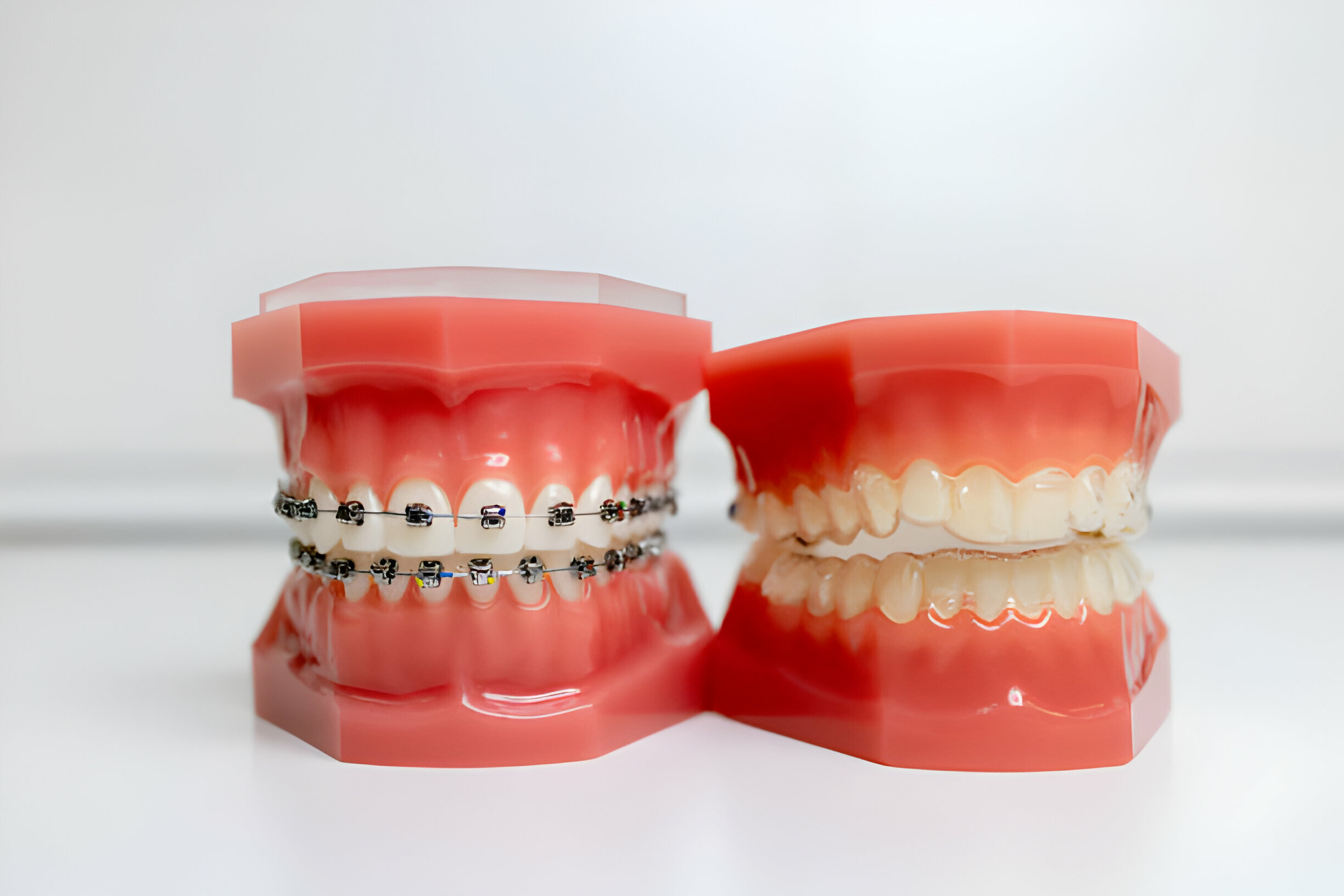
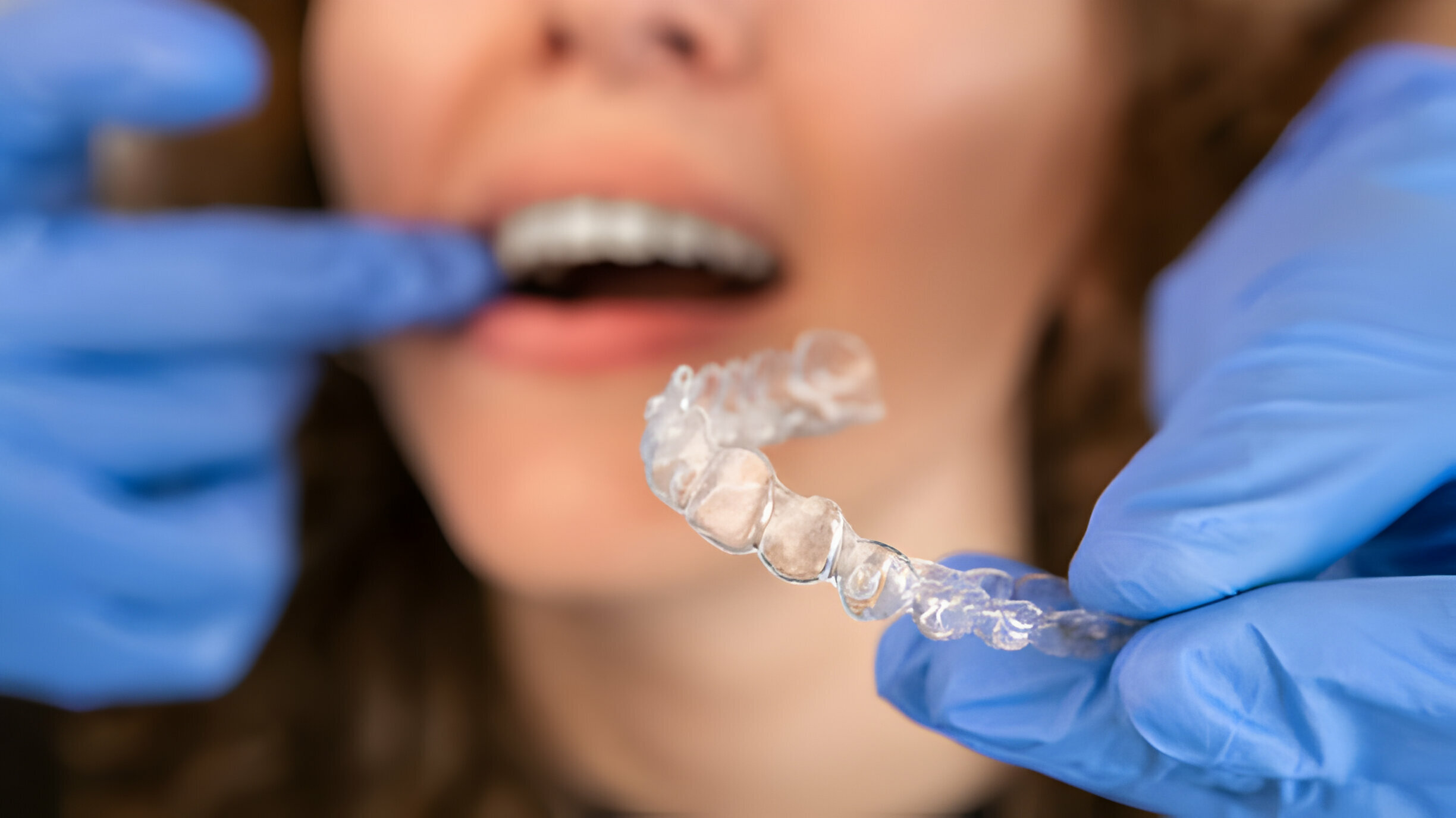
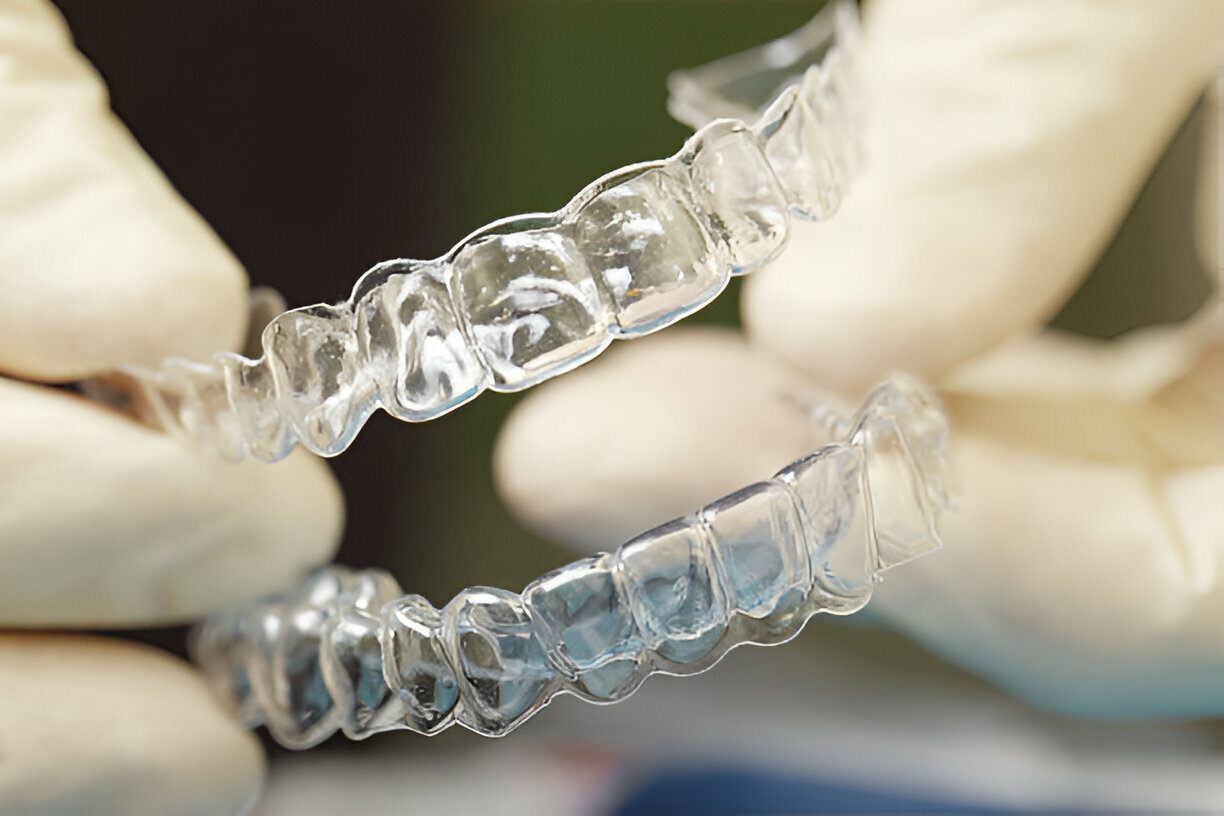
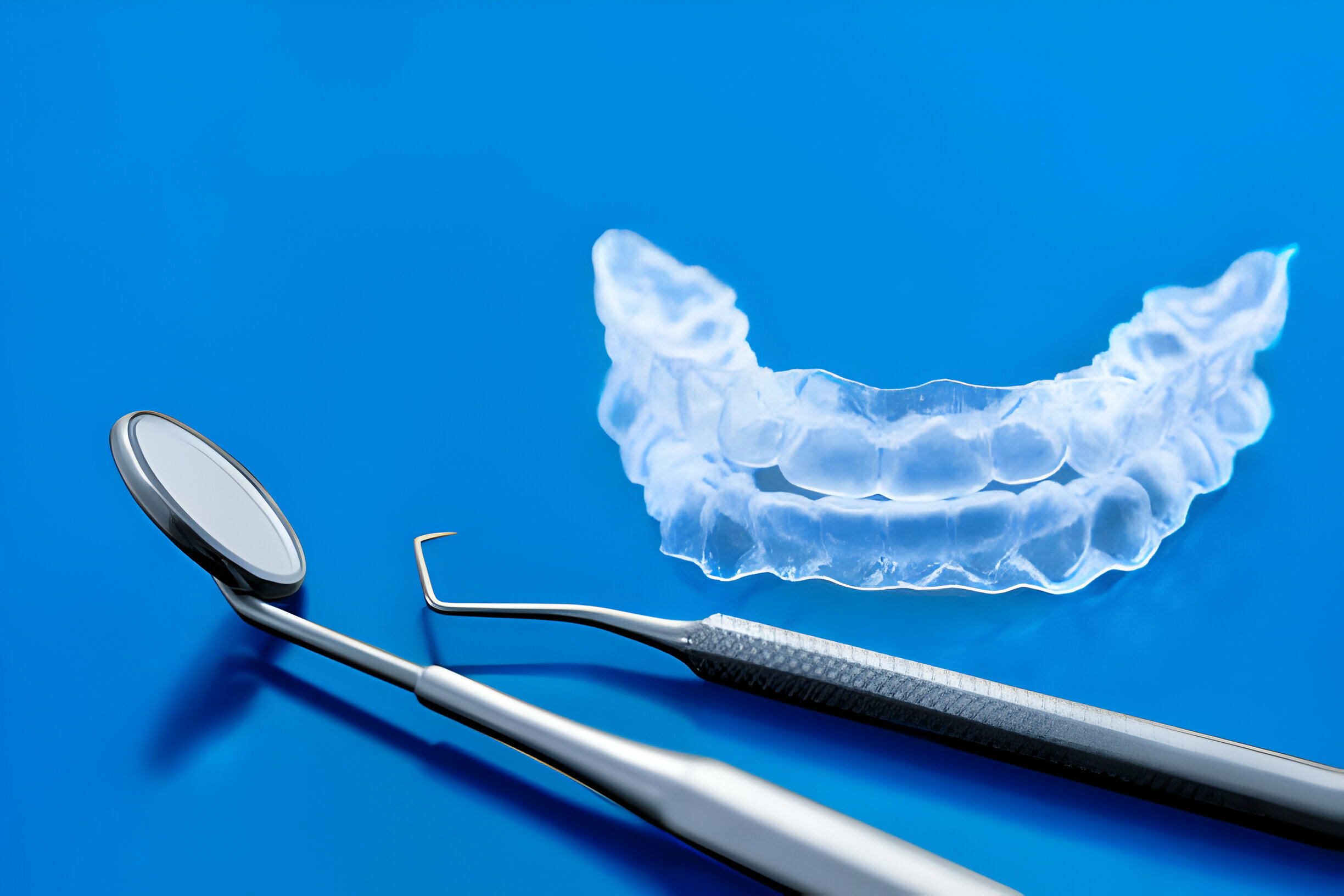
Invisalign aligners are transparent trays that progressively move teeth into their proper place. They are made using powerful 3D imaging technology and changed every two weeks to maintain the movement on pace. Unlike traditional metal braces, Invisalign is almost transparent, enabling patients to straighten their teeth discreetly.

Key Benefits of Invisalign

1. Virtually Invisible

One of the most appealing aspects of Invisalign is its transparency. Unlike traditional braces, which use noticeable brackets and wires, Invisalign aligners are made of clear plastic, making them nearly undetectable. This allows you to straighten your teeth discreetly without worrying about how they look in social or professional settings. Whether you’re at a meeting, on a date, or taking photos, you can confidently smile without feeling self-conscious.

2. Comfortable and Custom-Fit

Comfort is an important consideration when deciding on orthodontic treatment. Invisalign aligners are manufactured specifically for each patient, guaranteeing a tight and comfortable fit. Unlike metal braces, which may cause irritation, ulcers, and pain due to brackets and wires, Invisalign trays are soft and gentle on the gums and inside cheeks. This makes them the favored option for those who desire a quick and pain-free way to align their teeth.

3. Removable for Convenience

Traditional braces require food restrictions and meticulous cleaning, but Invisalign offers a much more convenient alternative. The aligners are completely removable, allowing you to take them out while eating, drinking, brushing, and flossing. This means you don’t have to avoid certain foods or struggle with cleaning around brackets and wires. By maintaining proper oral hygiene without obstacles, you can ensure your teeth stay healthy throughout your treatment.

4. Fewer Dental Visits

With Invisalign, you won’t need frequent adjustments like you would with metal braces. Instead of visiting the orthodontist for wire tightening, you’ll simply replace your aligners every couple of weeks as your teeth gradually shift. Regular check-ups at Sundance Dental are still necessary to monitor progress, but these visits are usually less frequent and more convenient, saving you time and effort.

5. Predictable Results

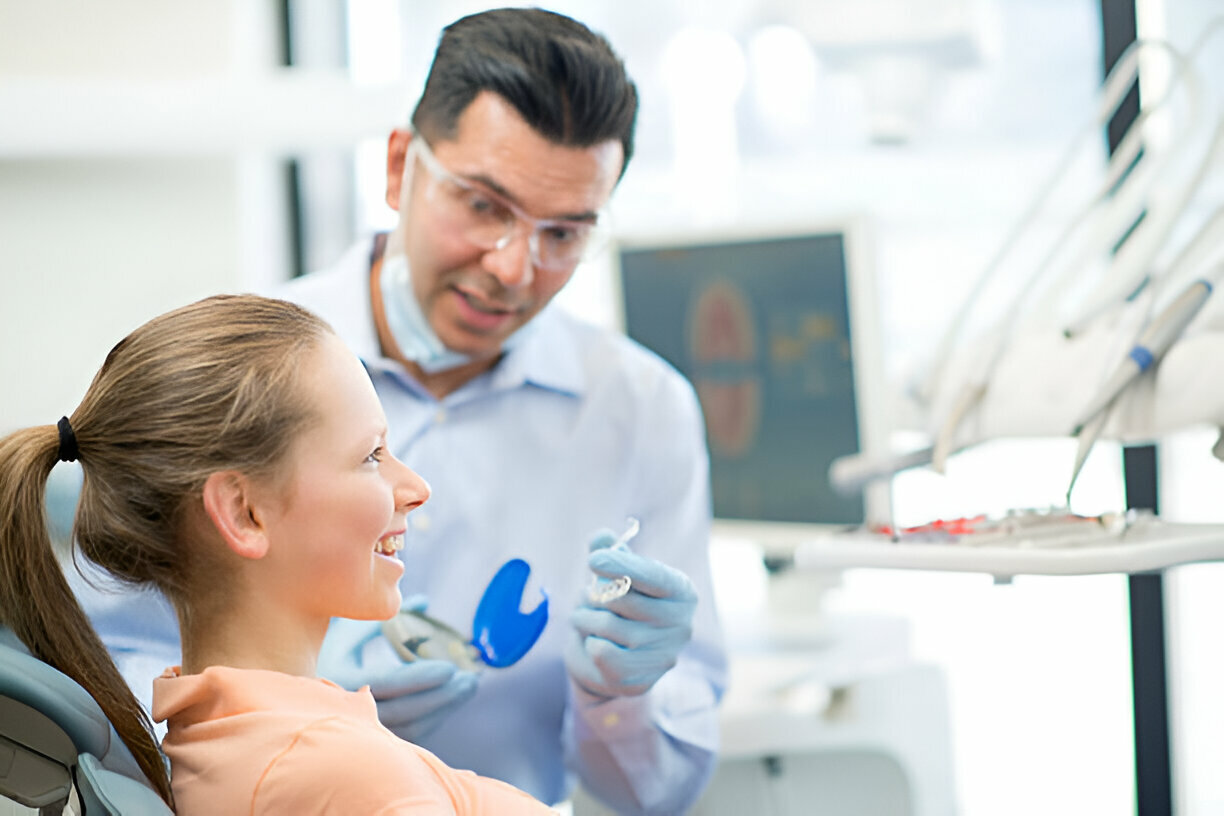
One of the standout features of Invisalign is its use of advanced 3D imaging technology. Before starting treatment, your dentist will create a digital model of your teeth and map out their movement over time. This allows you to see a preview of your expected results before you even begin wearing the aligners. This predictability gives you confidence in the treatment process, knowing exactly what to expect and how your smile will improve.

Who Can Benefit from Invisalign?

  • Teens and adults who prefer a discreet orthodontic solution
  • Individuals with mild to moderate misalignment
  • People with gaps, overbites, underbites, or crowding
  • Those who want a hassle-free, comfortable treatment experience

If you fall into any of these categories, Invisalign at Grants could be your perfect solution. Whether you’re dealing with minor spacing issues or more complex alignment concerns, this treatment provides a practical and flexible option for achieving a straighter smile without the inconvenience of traditional braces.
How Invisalign Can Improve Your Smile: A Comprehensive Guide from Sundance Dental in Grants_2

How to Care for Invisalign Aligners

Proper care of your Invisalign aligners is essential to ensure effective treatment and maintain oral health. Here are some tips to keep them in excellent condition:

  • Clean them daily – Use a gentle toothbrush and some light soap to clean your aligners. Avoid using toothpaste, which may be abrasive and leave little scratches on the surface.
  • Store them safely. When not in use, always store your aligners in their designated case. This prevents damage, contamination, or accidental loss.
  • Rinse after eating – Before reinserting your aligners, rinse your mouth and the trays to prevent food particles from getting trapped inside, which could cause bacteria buildup.
  • Wear them 20-22 hours per day – Consistency is key. Wearing your aligners for the recommended hours ensures your teeth move according to the treatment plan and that progress remains on schedule.

By following these simple care guidelines, you’ll keep your aligners in great shape and achieve the best possible results from your Invisalign treatment.

Fun Fact:

Did you know that Invisalign was first introduced in 1997? Since then, over 14 million people worldwide have used it to achieve straighter smiles!

Takeaways:

  • Invisalign is a clear, comfortable, and removable solution for straightening teeth.
  • It offers a discreet alternative to metal braces, making it ideal for both teens and adults.
  • Treatment is customized using 3D technology, ensuring precise results.
  • Maintaining your aligners properly is key to a successful outcome.
  • Sundance Dental Grants provide expert Invisalign treatment tailored to your needs.

Ready to transform your smile? Schedule a consultation with a trusted dentist in Grants today!
How Sundance Dental Grants Make Root Canals Stress-Free at Leading Dental Clinics in Grants

Summary

Sundance Dental Grants make getting a root canal in Grants accessible and stress-free. With financial support, expert care, and dedicated dentist grants, Sundance ensures you experience smooth, pain-free treatment. This blog explores the root canal process, grant benefits, and crucial root canal aftercare. Learn how Sundance’s cutting-edge services eliminate stress and deliver lasting oral health solutions in Grants, NM.

Root canals, more often than not, are feared for their complexity and discomfort. However, with proper dental care and professional guidance, root canal treatments can be a smooth and stress-free experience. At Sundance Dental Grants, patients in Grants, NM, can rely on expert dentists who prioritize comfort and quality care during these procedures. Thanks to the availability of dentist grants, accessing essential dental care has become even more manageable.

If you’re facing the possibility of a root canal in Grants, knowing what to expect and how to care for your teeth afterward can make a world of difference. Sundance Dental Grants provide effective treatments and ensure that each process step, from diagnosis to aftercare, is designed to reduce anxiety and improve outcomes.

How Sundance Dental Grants Make Root Canals Stress-Free at Leading Dental Clinics in Grants_1

What is a Root Canal?

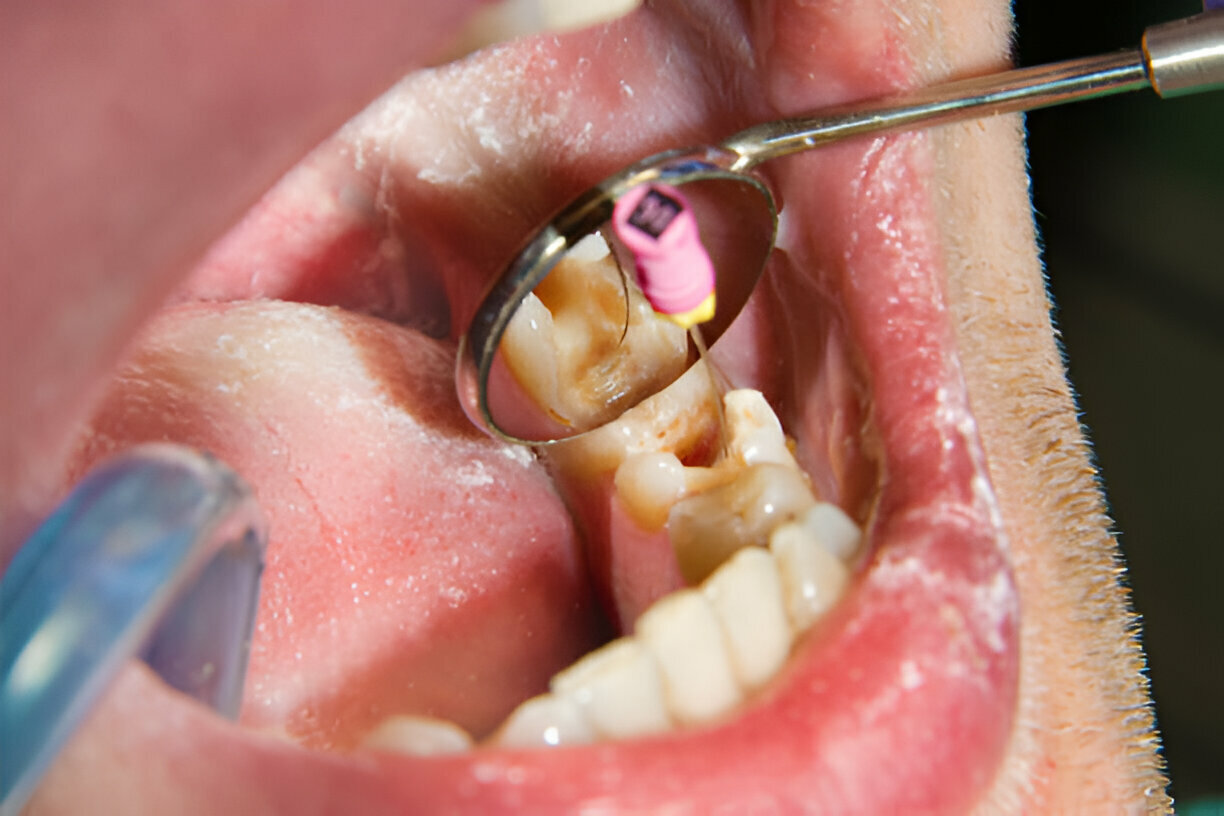
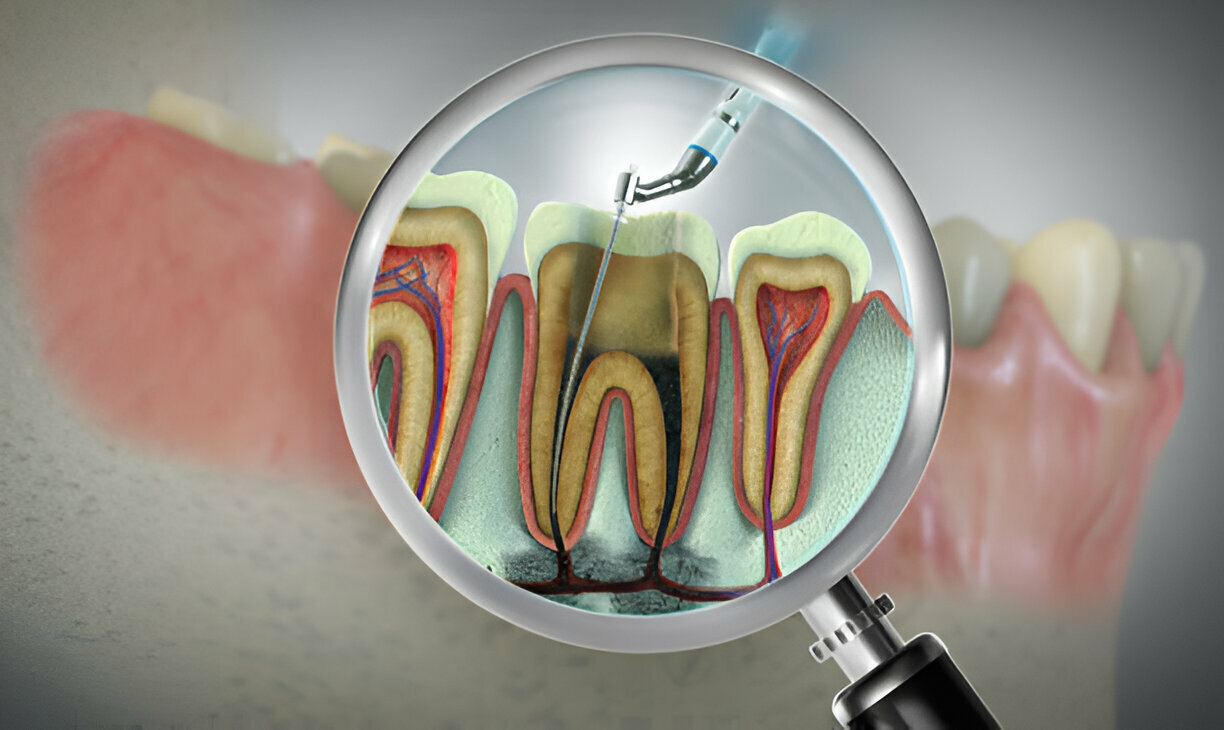
A root canal is a dental procedure designed to treat infections or damage to the pulp of a tooth. The pulp is the soft tissue inside the tooth that contains nerves and blood vessels. When the pulp becomes infected due to decay or injury, it can lead to severe pain and swelling, which is why a root canal is often necessary.

In the past, many patients feared root canals due to the perceived pain and lengthy recovery. However, with advancements in modern dentistry and dentist grants that make treatments more affordable, root canals are now much more straightforward and less uncomfortable. Sundance Dental Grants, located in the heart of Grants, NM, offers state-of-the-art equipment and expert care to ensure patients have a positive experience.

How Sundance Dental Grants Make Root Canals Stress-Free

Sundance Dental Grants understands the anxiety that often accompanies dental treatments, especially procedures like root canals. That’s why they’ve designed their services to be as comfortable and seamless as possible. When you enter their clinic, you’re met with a welcoming team that aims to make the process smooth and hassle-free.

One of the standout features of Sundance Dental Grants is their use of the latest dental technology. Their skilled team utilizes advanced equipment, including digital X-rays and precision tools, to perform root canals with minimal discomfort. This technology ensures that the procedure is quicker, more accurate, and less invasive, resulting in a faster patient recovery time.

Additionally, the clinic’s dentist grants make it easier for individuals to afford this vital treatment. Financial assistance helps alleviate the stress of cost concerns so that you can focus on your health and well-being.

The Root Canal Procedure at Sundance Dental Grants

At Sundance Dental Grants, the root canal procedure is performed with care, precision, and a focus on patient comfort. Here’s what you can expect during your visit:

  1. Consultation and Diagnosis: The first step is a consultation with a skilled dentist who will assess your symptoms and determine if a root canal is necessary. A root canal may be recommended if you’re dealing with severe tooth pain, sensitivity, or swelling.
  2. Preparation for the Procedure: Before starting, the dentist will numb the area around the affected tooth to ensure you’re comfortable throughout the procedure. Local anesthesia is used, so you’ll remain awake but pain-free.
  3. Cleaning and Shaping the Root Canals: The dentist removes the infected pulp from inside the tooth and cleans the canals. They then shape the canals to prepare them for filling.
  4. Filling the Tooth: Once the canals are cleaned and shaped, they are filled with a biocompatible material to prevent further infection.
  5. Sealing the Tooth: After the root canal, the tooth is sealed to ensure it remains protected. A crown may be placed on the tooth afterward to restore its function and appearance.

Root Canal Aftercare: Essential for a Quick Recovery

The root canal aftercare is just as important as the procedure itself. Proper care ensures that the tooth heals properly and prevents complications. Here’s what you should expect and how to care for your teeth after the treatment:

  1. Pain Management: Some patients may experience mild discomfort or soreness in the treated area after the procedure. This is normal and can be managed with over-the-counter pain medications, as your dentist recommends.
  2. Avoid Hard Foods: For the first few days after the procedure, chewing on the treated tooth is advised, and hard or sticky foods should be avoided. This helps protect the tooth and gives it time to heal correctly.
  3. Follow-Up Appointments: You will likely have a follow-up appointment to ensure the tooth is healing correctly. During this appointment, the dentist will check the tooth’s condition and ensure there are no signs of infection.
  4. Good Oral Hygiene: Continuing to practice good oral hygiene is crucial. Be sure to brush and floss regularly, but avoid brushing directly on the treated area until it has healed.

By following these steps and adhering to the instructions provided by your dentist, you can help ensure a smooth and speedy recovery after your root canal.

Why Choose Sundance Dental Grants for Your Root Canal Treatment?

Choosing the right dental clinic for a root canal in Grants is essential for your comfort and oral health. Sundance Dental Grants stands out for several reasons:

How Sundance Dental Grants Make Root Canals Stress-Free at Leading Dental Clinics in Grants_2

  • Experienced Dentists: The team at Sundance Dental Grants consists of experienced professionals who are skilled in performing root canals with precision and care. Their focus on patient comfort ensures that you receive the best possible treatment.
  • Modern Technology: With cutting-edge dental technology, the clinic can offer more efficient, accurate, and less invasive treatments. This helps reduce the discomfort often associated with traditional root canal procedures.
  • Affordable Care with Dentist Grants: Sundance Dental Grants offers financial assistance through dentist Grants, which help make root canal procedures more affordable for everyone, regardless of their budget.
  • Comprehensive Aftercare: The clinic ensures that all patients receive thorough aftercare instructions and follow-up appointments to ensure proper healing and minimize any complications.

Fun Fact 

Did you know that the secret to saving your smile lies in nature? The filling material used in root canals, gutta-percha, is derived from trees and is both biocompatible and long-lasting. 

Takeaways:

  • Root canals are common treatments for infected or damaged teeth that relieve pain.
  • Sundance Dental uses modern technology to perform root canals efficiently and comfortably.
  • Dentist Grants make these treatments more affordable for the community.
  • Root canal aftercare is essential for proper healing, and abiding by certain guidelines speeds up recovery.
  • Choosing the right dentist is key to a stress-free root canal experience. Visit our Sundance Dental Grants clinic today for comfortable, expert root canal treatment.

The Benefits of Sundance Dental Grants for Gum Disease Treatment

Summary

Sundance Dental & Orthodontics offers financial assistance for gum disease treatment, enabling patients to access affordable care without compromising their oral health. These grants cover various aspects of dental procedures, from initial consultations to advanced treatments. By reducing the financial burden, Sundance empowers individuals to prioritize their dental health. This blog explores the benefits of dentist grants, the types of treatments covered, and the application process, making it easier for patients to understand and utilize these opportunities effectively.

Gum disease, or periodontal disease, affects millions globally and can lead to severe oral health complications if untreated. Fortunately, Sundance Dental allows patients to access gum disease treatment in grants without worrying about financial constraints. This article delves into how these grants function, their advantages, and why they are a game-changer for oral health enthusiasts.

The Benefits of Sundance Dental Grants for Gum Disease Treatment_1

Understanding Dentist Grants

Dentist grants are financial assistance programs designed to help individuals manage the costs of necessary dental treatments. At Sundance, these grants focus on bridging the gap between affordability and access, ensuring quality care for everyone, regardless of financial constraints.

Sundance Dental & Orthodontics stands out by addressing various oral health needs, including advanced treatments for gum disease. Here’s what makes them invaluable:

  • Cost Reduction for Treatments: Sundance Dental alleviates the financial burden associated with complex procedures, such as periodontal therapy and gum disease remedy. This makes essential care more accessible to patients.
  • Encouragement for Preventive Care: These grants motivate patients to seek early intervention for oral health issues by reducing upfront costs and preventing severe conditions and costly treatments later.
  • Support for Advanced Procedures: Grants cover a portion of expenses for specialized treatments, including scaling, root planing, and laser therapy, enabling patients to maintain healthier smiles.
  • Focus on Long-Term Benefits: With financial aid, patients can prioritize their oral health, reducing risks of complications like tooth loss and systemic diseases while enhancing overall well-being.

Sundance Dental offers a practical, patient-centered solution that combines affordability, accessibility, and superior dental care, making oral health a priority for all.

Fun Fact:

Did you know that gum disease is the leading cause of tooth loss in adults aged 35 and older? Addressing this issue early can save not only your teeth but also your finances!

How Gum Disease Treatment Benefits From Grants

Gum disease treatment in grants offers patients access to a variety of therapies designed to combat periodontal diseases effectively. Sundance Dental & Orthodontics makes these treatments accessible, empowering individuals to prioritize their oral health. Here’s how the financial support enhances gum disease care:

1. Accessibility to Professional Care

The high cost of dental treatments often deters people from seeking help for gum disease. Sundance Dental reduces these financial barriers, making it easier for patients to access professional care. With the support of these grants:

  • Patients can afford advanced treatments, including scaling, root planing, and laser therapy, which are crucial for managing periodontal disease.
  • Individuals feel encouraged to address gum health issues before they escalate, leading to timely interventions and improved outcomes.

2. Prevention of Severe Complications

When left untreated, gum disease can progress into severe issues, including tooth loss, jawbone deterioration, and even systemic health risks like diabetes or heart disease. By offering financial relief, Sundance Dental Grants enables patients to:

  • Prioritize early diagnosis and effective treatment of gum disease
  • Achieve long-term oral and overall health benefits at a reduced cost, saving them from more invasive and expensive procedures later

3. Improved Quality of Life

Healthy gums are vital in maintaining a person’s confidence, comfort, and ability to eat or speak without discomfort. By easing the cost of gum disease treatment, grants ensure:

  • Patients regain and maintain their oral health
  • A boost in self-esteem as their smile and health improve

Sundance Dental & Orthodontics makes treatments affordable and allows individuals to safeguard their oral health and overall well-being. This transformative support emphasizes early action and long-term benefits.

The Benefits of Sundance Dental Grants for Gum Disease Treatment_2

Types of Gum Disease Treatments Covered

Sundance Dental offers support for a variety of gum disease treatments in Grants options:

1. Non-Surgical Treatments

  • Scaling and Root Planing: A deep cleaning procedure to remove plaque and tartar below the gum line
  • Antibiotic Therapy: Medications to control bacterial infections

2. Surgical Treatments

  • Gum Grafting: Restoring receded gum tissue
  • Pocket Reduction Surgery: Eliminating bacteria from deep pockets around teeth

3. Advanced Procedures

  • Laser Therapy: Minimally invasive treatment to remove infected tissue and promote healing
  • Bone Grafting: Rebuilding bone structure for better oral support

The Application Process for Sundance Dental Grants

Securing financial assistance through Sundance Dental Grants is simple and accessible. Here’s a step-by-step guide:

Step 1: Initial Consultation
Start by booking an appointment with a participating dentist. During this visit, you’ll discuss your oral health needs, including any concerns about gum disease. The dentist will evaluate your condition and outline potential next steps.

Step 2: Eligibility Assessment
To determine eligibility, you’ll need to submit essential documents for verification. This step helps assess your financial need and the scope of required treatments. The dental team reviews your case to ensure it meets the grant criteria.

Step 3: Approval and Treatment Planning
Once your application is approved, you’ll receive confirmation of grant allocation. From there, work closely with your dentist to design a personalized treatment plan tailored to your needs. This includes a detailed timeline and financial breakdown to ensure transparency.

By following these straightforward steps, patients can access affordable dental care and take significant steps toward better oral health. With Sundance Dental Grants, overcoming barriers to necessary treatments, like gum disease care, becomes a reality.

Why Choose Sundance Dental Grants for Gum Disease 

Sundance stands out for its commitment to patient care and affordability. Here’s why these grants are an excellent choice:

1. Tailored Financial Solutions

  • Grants are customized to meet individual needs, ensuring affordability without compromising quality.

2. Experienced Dental Professionals

  • Sundance collaborates with skilled dentists who specialize in gum disease.

3. Community Focus

  • These grants support local communities, ensuring broader access to essential dental care.

The Benefits of Sundance Dental Grants for Gum Disease Treatment_3

Takeaways

  • Sundance Dental & Orthodontics reduces the financial burden of gum disease treatment, making quality care accessible.
  • Early intervention and affordable treatments prevent severe oral and systemic health issues.
  • A straightforward application process ensures seamless access to professional dental care at Sundance Dental & Orthodontics.
  • Non-surgical, surgical, and advanced treatments are supported under the grant program.
  • Partnering with skilled dentists ensures comprehensive and effective periodontal care.

Professional Teeth Whitening in Grants: What to Expect at Sundance Dental

Summary:

Are you dreaming of a bright, white smile? Sundance Dental in Grants offers professional teeth whitening services tailored to bring out your most confident smile. This blog explains the comprehensive teeth-whitening process, from preparation to aftercare, and why choosing Sundance Dental Grants for professional teeth whitening can provide long-lasting results and new confidence. Learn what to expect, fun facts, essential aftercare, and tips to maintain your newly brightened smile.

A sparkling white smile isn’t just a confidence booster—it’s a sign of good oral health and attention to detail. Over time, lifestyle habits and aging can lead to yellowing and stains on teeth. However, professional teeth whitening offers a safe, effective way to reclaim that brightness. Sundance Dental specializes in advanced teeth whitening in Grants, which promises results and safety. If you’re in Grants and seeking a professional solution led by expert hands, here’s everything you need to know about the professional teeth whitening process at Sundance Dental.

Professional Teeth Whitening in Grants: What to Expect at Sundance Dental_1

Why Opt for Professional Teeth Whitening?

In-office professional teeth whitening is an efficient solution for anyone looking to brighten their smile beyond what over-the-counter options can achieve. Using a high-concentration whitening agent, professional teeth whitening targets surface stains and penetrates deeper layers to eliminate intrinsic stains. The result? A smile up to eight shades whiter in as little as one session.

The professional whitening process at Sundance Dental Dentist in Grants involves a carefully controlled environment with protective measures, safeguarding teeth and gums from potential irritation. Unlike DIY kits, which may lack potency and take weeks to show results, professional whitening provides visible results in one session with long-lasting effects.

The Steps to a Brighter Smile at Sundance Dental

Here’s what you can expect from a professional teeth-whitening session with a dentist in Grants:

Stage 1: Pre-Whitening Assessment

The process begins with an evaluation of your dental health. Sundance Dental’s experts assess your teeth’s current shade and any underlying issues that may affect whitening. During this phase, you’ll discuss your goals and any sensitivities, ensuring the treatment plan meets your unique needs. If factors like injury or medications cause certain discolorations, Sundance Dental’s specialists may recommend alternative aesthetic solutions.

Stage 2: Custom Shade Matching

Everyone’s teeth vary in color naturally. To create a realistic and desirable outcome, using a shade guide, Sundance Dental matches your ideal shade to your natural teeth. This allows for a gradual and authentic look, ensuring the final result enhances rather than overpowers your smile.

Stage 3: Thorough Plaque Removal

Plaque or biofilm on the teeth can interfere with whitening agents. Before applying whitening gel, your dentist thoroughly cleans to remove plaque buildup. This not only enhances whitening results but also promotes healthier teeth and gums.

Stage 4: Isolation and Drying

Once your teeth are cleaned, a protective barrier is placed along your gum line to prevent the whitening solution from irritating the gums. Specialized retractors keep the cheeks, lips, and tongue away from the treated area, ensuring a safe, comfortable experience.

Stage 5: Whitening Gel Application and Activation

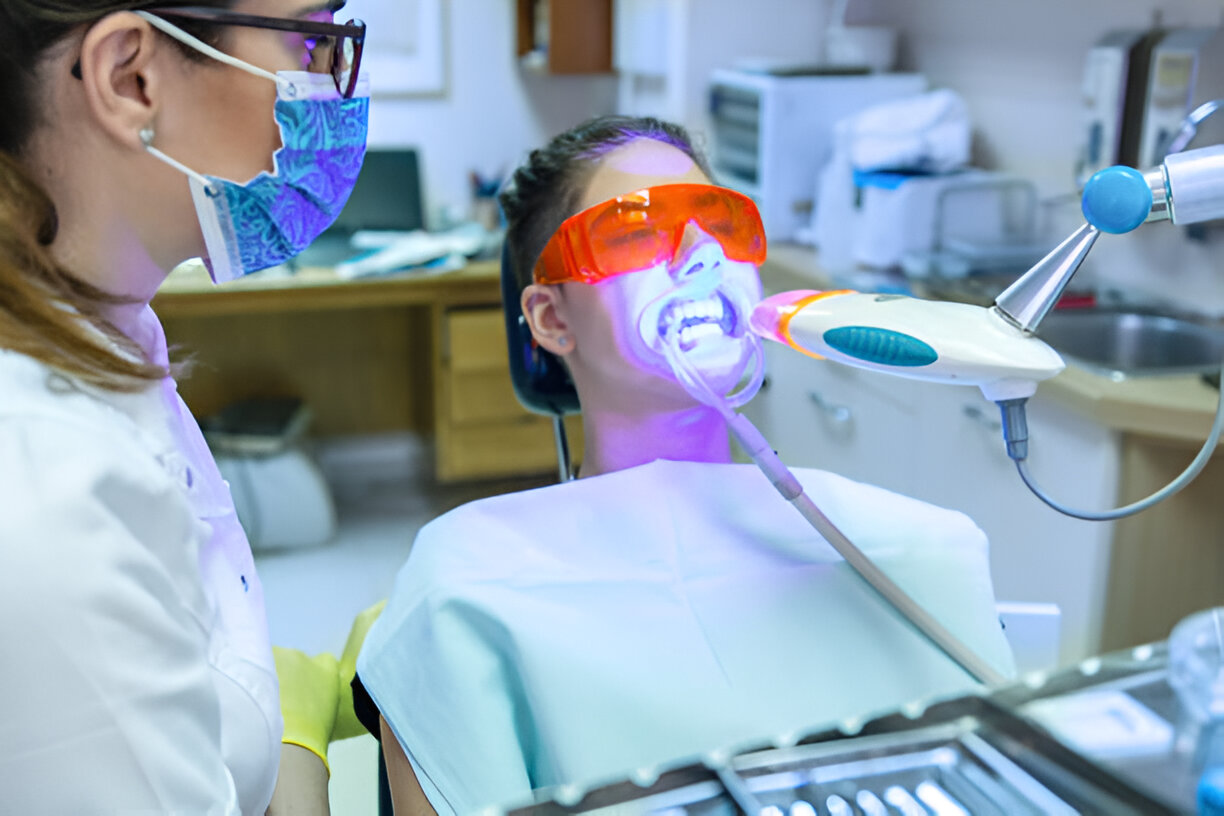
With your teeth prepped, the whitening gel—typically containing hydrogen peroxide—is applied to the surface of your teeth. A special LED or UV light may accelerate the bleaching process, helping the gel break down and lift deep stains from the enamel.

Final Results

After 60 to 90 minutes, the whitening gel is rinsed off, revealing a noticeably whiter smile. While results vary depending on the initial shade and types of stains, most patients can expect their teeth to be several shades lighter after one session.

Professional Teeth Whitening in Grants: What to Expect at Sundance Dental_2

Fun Facts about Teeth Whitening

  • Teeth Whitening Dates Back Centuries: Ancient Egyptians used a paste of ground pumice stone and wine vinegar to brighten their smiles!
  • Your Teeth Aren’t Naturally White: Teeth’s natural color varies widely and often has a slightly yellowish hue due to the dentin beneath the enamel.
  • Professional Whitening is Long-Lasting: With proper care, your professionally whitened teeth can stay bright for up to a year.


Teeth Whitening Aftercare for Long-Lasting Brightness

For optimal, lasting results, consider these crucial aftercare steps, particularly within the first 48 hours when the enamel’s pores are open and more susceptible to staining:

  • Avoid Stain-Inducing Foods and Drinks

Coffee, red wine, berries, soy sauce, and colored juices should be avoided. Acidic items like citrus can weaken the enamel and make teeth more prone to discoloration.

  • Opt for a “White Diet”

For the first few days, stick to pasta, rice, potatoes, white fish, and bananas. This ensures that no new stains compromise the whitening effects.

  • Use Sensitive Toothpaste

Whitening can make teeth temporarily sensitive. Using toothpaste designed for sensitivity helps ease discomfort.

  • Limit Cold or Hot Foods

Teeth may be temperature-sensitive immediately after whitening. Room-temperature foods and drinks are a good option for the initial days.


Why Choose Sundance Dental Grants for Teeth Whitening?

Sundance Dental Grants provide state-of-the-art dental care, including the latest teeth-whitening techniques. With a team of skilled professionals, we ensure a comfortable, safe experience tailored to your needs. Whether it’s your first whitening session or a touch-up, Sundance Dental is committed to helping you achieve a smile that radiates health and confidence.

Fun Statistic: Did you know? Over 40 million Americans choose teeth whitening each year to enhance their smiles!

Professional Teeth Whitening in Grants: What to Expect at Sundance Dental_3

Key Takeaways:

  • Professional Teeth Whitening Provides Lasting Results: Unlike at-home kits, in-office whitening can last up to a year with proper aftercare.
  • Customized Whitening for a Natural Look: Sundance Dental’s customized approach ensures a bright but natural appearance.
  • Protect Your Investment with Aftercare: Following the recommended aftercare enhances results and protects against future staining.
  • Choose a Dentist in Grants for Optimal Whitening: The professional team at Sundance Dental Grants offers unmatched expertise and cutting-edge technology to help you achieve a radiant smile.

Ready to Brighten Your Smile? Don’t let stains or discoloration hold you back from smiling confidently. Schedule a consultation at Sundance Dental Grants today, and let our team of experts show you the transformative benefits of professional teeth whitening. Get started on your journey to a radiant, beautiful smile!

Navigating Dental Emergencies with the Support of Sundance Grants

Summary:

Dental emergencies can happen when least expected, leaving individuals in distress and pain. At Sundance Dental in Grants, emergency dental care services are designed to provide immediate relief and save teeth during urgent situations. This blog will guide you through what constitutes a dental emergency, whom to contact, what immediate actions to take, and how Sundance Dental Grants play a vital role in managing dental emergencies effectively.

Navigating Dental Emergencies with the Support of Sundance Grants_1

What Is a Dental Emergency?

A dental emergency refers to any critical situation involving teeth, gums, or mouth that requires immediate attention to relieve pain, prevent tooth loss, or address life-threatening infections. Typical situations include severe toothaches, knocked-out teeth, broken fillings, or abscesses. The urgency of such conditions cannot be emphasized enough—getting emergency care with a dentist in Grant can make all the difference between saving or losing a tooth.

Did You Know?

More than 5 million teeth are knocked out yearly, many of which could have been saved with immediate dental care.

Types of Dental Emergencies

Several types of dental emergencies can arise unexpectedly, including the following:

  • Severe Toothaches: These cause intense pain that can disrupt daily activities, possibly indicating an underlying issue like decay or infection.
  • Cracked or Broken Teeth: Accidents, hard foods, or trauma can lead to cracked teeth, which, if untreated, can result in further damage.
  • Knocked-Out Teeth: A tooth wholly dislodged due to trauma should be addressed immediately.
  • Abscesses or Infections: A dental infection can spread if left untreated, leading to severe health issues.
  • Lost Fillings or Crowns: A lost crown or filling may expose sensitive areas of your teeth, causing discomfort or further deterioration.

At Sundance Dental in Grants, we treat all these dental emergencies with the urgency and care required to relieve your pain and restore your smile.

Navigating Dental Emergencies with the Support of Sundance Grants_2


How to Respond to a Dental Emergency

In the face of a dental emergency, knowing the proper steps can protect your oral health:

  • Knocked-Out Teeth: If the tooth is dirty, retrieve it by the crown (not the root) and rinse it gently. Place it back into the socket, store it in milk, and seek immediate dental care if possible. Teeth have the highest chance of being saved when treated within 30 minutes.
  • Severe Toothache: Rinse your mouth with warm water and use floss to remove any trapped debris. Avoid placing aspirin directly on the tooth, and contact a dentist immediately.
  • Broken or Cracked Tooth: Rinse the mouth with warm water and apply a cold compress to reduce swelling. If possible, preserve any tooth pieces and seek care immediately.
  • Infection or Abscess: Contact a dentist immediately if you notice swelling, fever, or persistent pain. Infections can spread quickly and become life-threatening.

Why Immediate Care Matters

Time is a critical factor in dental emergencies. For example, a knocked-out tooth has a 90% chance of being saved if it is put back in place within the first hour. However, delaying treatment can significantly reduce this likelihood. Similarly, severe infections can escalate into systemic health problems if not addressed immediately.

Stat Fact:

Infections stemming from untreated tooth decay affect 1 in 4 adults globally, leading to billions of dollars in healthcare costs each year.

The Role of Sundance Dentist in Grants

When a dental emergency strikes, having a reliable and professional dental team with easy access can provide peace of mind. At Sundance Emergency Dental in Grants, we prioritize emergency dental care, relieving pain, preventing further damage, and preserving teeth. Our team of experienced professionals understands the urgency of dental emergencies and provides prompt care, even offering same-day appointments whenever possible.

Sundance Dental Grants handles emergency care and provides comprehensive dental services to ensure that patient’s oral health is consistently maintained, reducing the risk of future emergencies.

DIY Dental Emergency Tips

Before you can get to the dentist in Grants, there are a few at-home remedies that might help alleviate the situation temporarily:

  • Saltwater Rinse: A warm saltwater rinse can help reduce pain and fight off infection.
  • Cold Compress: Applying an ice pack to the cheeks can help reduce swelling and numb the pain.
  • Temporary Fillings: If a filling falls out, sugar-free gum can temporarily protect the exposed area until you can visit a dentist.
  • Over-the-Counter Pain Relief: Ibuprofen or acetaminophen can help manage pain, but avoid placing aspirin directly on the tooth or gums, as it can burn the tissue.

Remember, these are only temporary measures. The best way to address the issue effectively is to seek professional care from an emergency dental service like Sundance Dental.

Prevention: Emergency Dental in Grants

While it’s impossible to avoid all emergencies, you can take specific steps to minimize your risk:

  • Wear Mouthguards: If you play sports or engage in activities that put your mouth at risk, wearing a custom-fitted mouthguard can significantly reduce the chances of dental trauma.
  • Regular Dental Visits with Emergency Dental in Grants: Regularly seeing your dentist in Grants can help identify and treat issues before they become emergencies.
  • Avoid Hard Foods: Chewing on hard foods, ice, or popcorn kernels can cause cracked teeth or damage dental work.
  • Maintain Good Oral Hygiene: Brushing and flossing daily helps prevent decay and infections, common causes of emergencies.

Navigating Dental Emergencies with the Support of Sundance Grants_3

Key Takeaways

  1. Act Quickly: Time is of the essence when it comes to dental emergencies. Seeking care within 30 minutes of an injury can mean saving and losing a tooth.
  2. Temporary Relief Measures: Rinsing with warm water, using a cold compress, or taking over-the-counter pain relievers can provide temporary relief.
  3. Prevention is Key: Wearing mouthguards, avoiding hard foods, and maintaining regular dental check-ups can minimize your risk of dental emergencies.
  4. Sundance Dental in Grants is Here for You: Whether it’s a severe toothache, a knocked-out tooth, or a dental infection, the professionals at Sundance Dental in Grants offer prompt emergency care to address your needs.

Don’t wait for a dental emergency to spiral out of control. Contact Sundance Dental in Grants at the first sign of trouble to receive immediate, professional care. Contact us for emergency dental services or to schedule a consultation to keep your smile healthy and bright!

Dental Implants Aftercare: Tips for a Successful Recovery

Summary:

Dental implants are a life-changing solution for those seeking to restore their smile. However, the success of the procedure hinges on proper aftercare. This blog provides a comprehensive guide to dental implant aftercare, offering essential tips for a smooth recovery, addressing common concerns, and highlighting the importance of following your dentist’s instructions for long-term success.

Blog:

Dental implants have revolutionized how we approach tooth loss, providing a durable and natural-looking solution. However, the journey continues once the implants are placed. Proper aftercare is crucial to ensure a successful recovery and the longevity of your implants. This blog will walk you through essential tips for caring for your dental implants post-surgery, common pitfalls to avoid, and how to achieve the best possible outcome.

Dental Implants Aftercare: Tips for a Successful Recovery_1

What Should You Expect After Dental Implant Surgery

Following dental implant surgery, the healing process involves several stages, the most critical being osseointegration—the fusion of the titanium implant with the jawbone. This process can take three to six months, depending on various factors, including your overall health and adherence to aftercare instructions. Proper aftercare during this period is vital for the implant’s stability and long-term success.

You’ll likely experience discomfort, swelling, and minor bleeding in the initial days after surgery. These are normal responses to the procedure and typically subside within a week. Your dentist will provide specific instructions to manage these symptoms, including prescribed pain relief and cold compresses to reduce swelling.

Factors Affecting Recovery Time

  • Pre-existing Health Conditions

Conditions such as diabetes or cardiovascular disease can slow down the healing process. It’s essential to inform your dentist of any chronic health issues before the procedure, as they may require special precautions or adjustments to your aftercare plan.

  • Smoking and Alcohol Consumption

Both smoking and excessive alcohol intake can severely impede the healing process. Nicotine reduces blood flow, hindering the delivery of oxygen and nutrients to the surgical site, while alcohol can dehydrate the body and delay recovery. Quitting smoking and limiting alcohol consumption before and after surgery can significantly improve your recovery outcomes.

  • Diet and Nutrition

A balanced diet rich in vitamins, minerals, and protein is crucial for healing. Soft and easy-to-chew foods, like yogurt, mashed potatoes, and smoothies, are great for the days following surgery. Avoiding hard and sticky foods will protect the implant site and promote faster healing.

  • Oral Hygiene

Maintaining excellent oral hygiene is non-negotiable during recovery. Gentle brushing with a soft-bristled toothbrush and rinsing with an antibacterial mouthwash will help prevent infection. However, be cautious around the implant site to avoid disturbing the healing tissue.

4 Essential Tips for a Speedy Recovery

  • Get Plenty of Rest

Your body needs time to heal, so rest is essential. Avoid strenuous activities for at least a few days post-surgery, and focus on giving your body the necessary downtime to recover.

  • Follow Post-Operative Instructions

Your dentist will provide specific instructions tailored to your situation. Whether you take prescribed antibiotics, avoid certain foods, or use a special mouthwash, following these guidelines is critical to preventing complications.

  • Manage Pain Effectively

Over-the-counter pain relievers can help ease the discomfort. If your dentist prescribes more vital medication, take it as directed. Applying cold compresses can reduce swelling near the operated region.

  • Soft Diet

During the initial days, eat soft foods that won’t irritate the surgical region. As you get comfortable after the recovery, eat solid foods with your dentist’s approval.

Dental Implants Aftercare: Tips for a Successful Recovery_2

Benefits of a Faster Recovery

  • Reduced Risk of Complications

A quicker recovery means a lower risk of complications such as infection or implant failure. Adhering to your dentist’s instructions and caring for your oral health can minimize these risks and ensure a smooth recovery.

  • Improved Implant Success Rates

The faster the implant integrates with your jawbone, the higher the chances of long-term success. Proper aftercare supports this integration process, creating a more durable and stable implant.

  • Return to Normal Activities Sooner

With a speedy recovery, you’ll return to your routine faster and enjoy the full benefits of your new dental implants in Grants.

Fun Facts About Dental Implants

  • Ancient Roots: Did you know dental implants have existed for thousands of years? The earliest recorded attempts date back to ancient Egypt and China, where shells and metals were used to replace missing teeth.
  • High Success Rate: Dental implants have a success rate of over 95%, making them one of the most reliable options for tooth replacement.
  • Strong as Natural Teeth: Once fully integrated, dental implants can withstand the same biting and chewing forces as natural teeth, allowing you to eat your favorite foods without worry.

Things to Avoid During the Recovery Phase

Certain things may delay the recovery period and even worsen the surgical site of your dental implants. To ensure a steady and successful recovery after dental surgery, it is best to avoid the points below.

  1. Smoking and Tobacco Use: Tobacco use is one of the leading causes of implant failure. The chemicals in tobacco can increase the risk of infection. Avoid smoking entirely during the recovery period for the best results.
  2. Alcohol Consumption: Alcohol can interfere with your body’s ability to heal and should be avoided until your dentist gives the all-clear.
  3. Hard, Crunchy, or Sticky Foods: These foods can damage the implant site and should be avoided. Stick to soft, easy-to-chew foods until you’re fully healed.
  4. Strenuous Exercise: While light activities like walking are okay, avoid strenuous exercise that could increase blood flow to the surgical site and cause bleeding.

When to Seek Professional Help

Monitoring your recovery and knowing when to contact your dentist is essential. Seek professional help if you experience:

  • Signs of Infection: Redness, swelling, or pus around the implant site.
  • Severe Pain or Discomfort: Persistent pain that doesn’t improve with medication.
  • Implant Mobility: Any movement or loosening of the implant.

Dental Implants Aftercare: Tips for a Successful Recovery_3

Dental Implants in Grants

Dental implants are a significant investment in your oral health, and proper aftercare is critical to ensuring their success. By following these guidelines, you can enjoy a smooth recovery and look forward to the long-lasting benefits of your new smile.

At Sundance Dental Grants, we’re here to support you along the way. Don’t hesitate to contact Dentist Grants with any questions or concerns about your recovery. We’re committed to helping you succeed with your dental implants in Grants.

Takeaway: Ensuring Long-Term Success after Implants 

  1. Maintain Good Oral Hygiene: Brush and floss regularly to keep your implants clean and plaque-free.
  2. Schedule Regular Check-ups: Visit your dentist regularly to monitor the health of your implants and address any issues early.
  3. Avoid Damaging Habits: Refrain from chewing on complex objects and protect your implants from unnecessary stress.
  4. Make Healthy Lifestyle Choices: A balanced diet and avoiding harmful substances like tobacco will support your overall oral health and the longevity of your implants.

Just Got A Root Canal? Here’s How You Can Ensure Post-Procedure Care

Summary:

Root canal treatment is a common dental procedure that can save a severely damaged or infected tooth. With over 15 million root canals performed annually in the United States, it’s crucial to understand proper post-treatment care for ensuring long-term success and maintaining optimal oral health.

This comprehensive guide explores the best practices for post-root canal oral hygiene, with a focus on care options available in Sundance Grants, New Mexico. Whether you’ve recently undergone a root canal or are preparing for one, these tips will help you protect your investment and keep your smile healthy and vibrant.

Just Got A Root Canal? Here’s How You Can Ensure Post-Procedure Care_1

Fun Facts About Root Canals:

  1. Did you know that the first root canal procedure was performed in the 1600s? Modern techniques have come a long way since then!
  2. Root canals get a bad rap, but they actually relieve pain rather than cause it. In fact, 89% of patients report being satisfied with their root canal treatment.
  3. Your tooth can survive for decades after a root canal if properly cared for.

Understanding Root Canal Treatment and Its Importance

Before diving into post-treatment care, let’s briefly review what a root canal entails. When the soft inner tissue of a tooth (the pulp) becomes infected or inflamed, a root canal is often necessary to save the tooth. During this procedure, a dentist will remove the damaged pulp, clean and shape the root canal, fill and seal the canals, and place a temporary filling or crown.

The success rate of root canal treatment is impressively high, at approximately 95%, with many treated teeth lasting a lifetime. This statistic underscores the importance of proper aftercare, which is essential for several reasons:

  1. Preventing reinfection
  2. Ensuring proper healing
  3. Maintaining the restored tooth’s strength and function
  4. Prolonging the life of the treated tooth

Best Practices for Post Root Canal Oral Hygiene

Following Your Dentist’s Instructions and Managing Discomfort

After your root canal, your dentist will provide specific aftercare instructions. Following these guidelines is crucial for proper healing and long-term success. It’s normal to experience some discomfort following a root canal, but contrary to popular belief, root canal treatment is generally no more painful than having a filling placed, according to the American Dental Association.

To manage any post-treatment discomfort:

  • Take over-the-counter pain relievers as recommended by your dentist
  • Apply a cold compress to reduce swelling
  • Avoid chewing on the treated side until the discomfort subsides

If your dentist prescribes antibiotics, be sure to take the full course as directed, even if you start feeling better.

Just Got A Root Canal? Here’s How You Can Ensure Post-Procedure Care_2

Maintaining Excellent Oral Hygiene and Dietary Considerations

Proper oral hygiene is more important than ever after a root canal. Here’s what you should do:

  • Brush gently twice a day with a soft-bristled toothbrush
  • Floss daily, being extra careful around the treated tooth
  • Use an antiseptic mouthwash to reduce bacteria

 In the days following your root canal, be mindful of what you eat:

  • Stick to soft foods that don’t require much chewing
  • Avoid extremely hot or cold foods and beverages
  • Stay away from sticky, chewy, or hard foods that could damage the temporary filling

It’s also advisable to avoid tobacco and alcohol, especially in the first few days after treatment, as these can interfere with healing and increase the risk of complications.

Long-term Care and Follow-up Appointments

To ensure the longevity of your treated tooth, it’s crucial to practice good oral habits:

  • Continue regular dental check-ups and cleanings
  • Maintain a balanced diet low in sugary and acidic foods
  • Use fluoride toothpaste to strengthen enamel
  • Consider using a night guard if you grind your teeth

Your dentist will schedule follow-up appointments to monitor healing and place a permanent crown if necessary. Don’t skip these crucial visits. A study published in the Journal of Endodontics found that the majority of the patients who had root canal treatment would recommend it to others, highlighting the importance of proper aftercare and follow-up.

Myths vs. Reality in Root Canal Aftercare

Despite the high success rate of root canal treatments, several myths persist:

Myth 1: “Root canal treatment is extremely painful.”

Reality: Modern techniques and anesthesia make root canal treatment relatively comfortable.

Myth 2: “You can’t eat normally after a root canal.”

Reality: While you should be cautious initially, you can resume a normal diet once healing is complete.

Myth 3: “Root canal-treated teeth always need to be extracted eventually.”

Reality: With proper care, a root canal-treated tooth can last a lifetime.

Finding a Qualified Dentist in Grants and the Role of Technology

When seeking root canal treatment or aftercare in Grants, it’s essential to choose a qualified and experienced dentist. Look for credentials, certifications, experience with root canal procedures, and positive patient reviews.

Advancements in dental technology have greatly improved the root canal process and aftercare. Some cutting-edge technologies used by dentists in Grants include 3D imaging for precise treatment planning, rotary instruments for more efficient cleaning, biocompatible materials for better sealing, and laser-assisted treatments for enhanced disinfection.

Just Got A Root Canal? Here’s How You Can Ensure Post-Procedure Care_3

Long-term Vigilance and Addressing Potential Issues

While the immediate aftercare is crucial, long-term maintenance is equally important. Be vigilant about oral hygiene, protect your tooth from trauma, and address any signs of trouble promptly. Even with proper care, issues can sometimes arise. Contact your nearest dentist in Grants if you experience persistent pain or swelling, a return of symptoms similar to those before the root canal, visible cracks or chips in the treated tooth, or loosening of the crown or filling.

Takeaway:

  1. Follow your dentist’s post-treatment instructions carefully
  2. Maintain excellent oral hygiene with gentle brushing and flossing
  3. Be mindful of your diet, especially in the days following treatment
  4. Attend all follow-up appointments with your dentist in Grants
  5. Practice good long-term oral care habits
  6. Stay alert for any signs of complications and seek prompt care if needed
  7. Remember that with proper care, your root canal-treated tooth can last a lifetime

Don’t let fear or misinformation keep you from getting the dental care you need. If you’re experiencing tooth pain or have questions about the treatment of root canals in Grants, don’t hesitate to reach out to a qualified local dentist. Your smile deserves the best care possible – take the first step towards a healthier, pain-free mouth today!

Advanced Gum Disease: Symptoms, Risks, and Treatment Options

Summary

Your gum is the most commonly neglected part of your oral hygiene.

But is it worth the risk?

Most individuals (about 9% of people in the US) only learn about the importance of gum health when it deteriorates. Periodontal or gum disease significantly threatens the jawbone, teeth, and underlying structure.

Without adequate treatment, gum disease can destroy the bone that supports teeth and cause them to loosen quickly.

Advanced Gum Disease: Symptoms, Risks, and Treatment Options_1

However, the good news is that it can usually be prevented. When noticed at an early stage, you can navigate your way through advanced gum disease. Let’s learn more about it via topics like:

  • Periodontitis – A Closer Look into the Gum Disease
  • Early Signs and Symptoms of Gum Disease
  • What Causes Periodontitis in Your Gum?
  • The 4 Stages of Periodontitis
  • Treatment Options for Periodontitis

Continue reading as we understand more about gum disease treatment, symptoms, and more. 

Periodontitis – A Closer Look into the Gum Disease

Periodontitis is a dangerous stage of gum disease. A bacterial infection causes inflammation in the soft tissues surrounding your teeth. When left untreated, periodontitis can be a major problem for your bone. It erodes the jaw, supports your teeth, and causes movement and tooth loss.

How Common is Periodontitis?

More than 47% of individuals over the age of 30 in the United States suffer from periodontitis. That figure rises to nearly 70% for those aged 65 and older.

Who Does Periodontitis Affect?

Periodontitis is rare among people under the age of 30. However, its likelihood increases as you age. Nonetheless, it can affect people with poor dental hygiene, such as those who do not regularly clean and floss their teeth. 

Some people are more genetically predisposed to periodontitis than others. If your biological parents or grandparents had a history of gum disease, you are more likely to get it, too.

Early Signs and Symptoms of Gum Disease

Individuals affected by periodontal disease may experience a variety of symptoms and signs based on the level of their severity. Let’s learn more about them in this section. 

Bleeding Gums

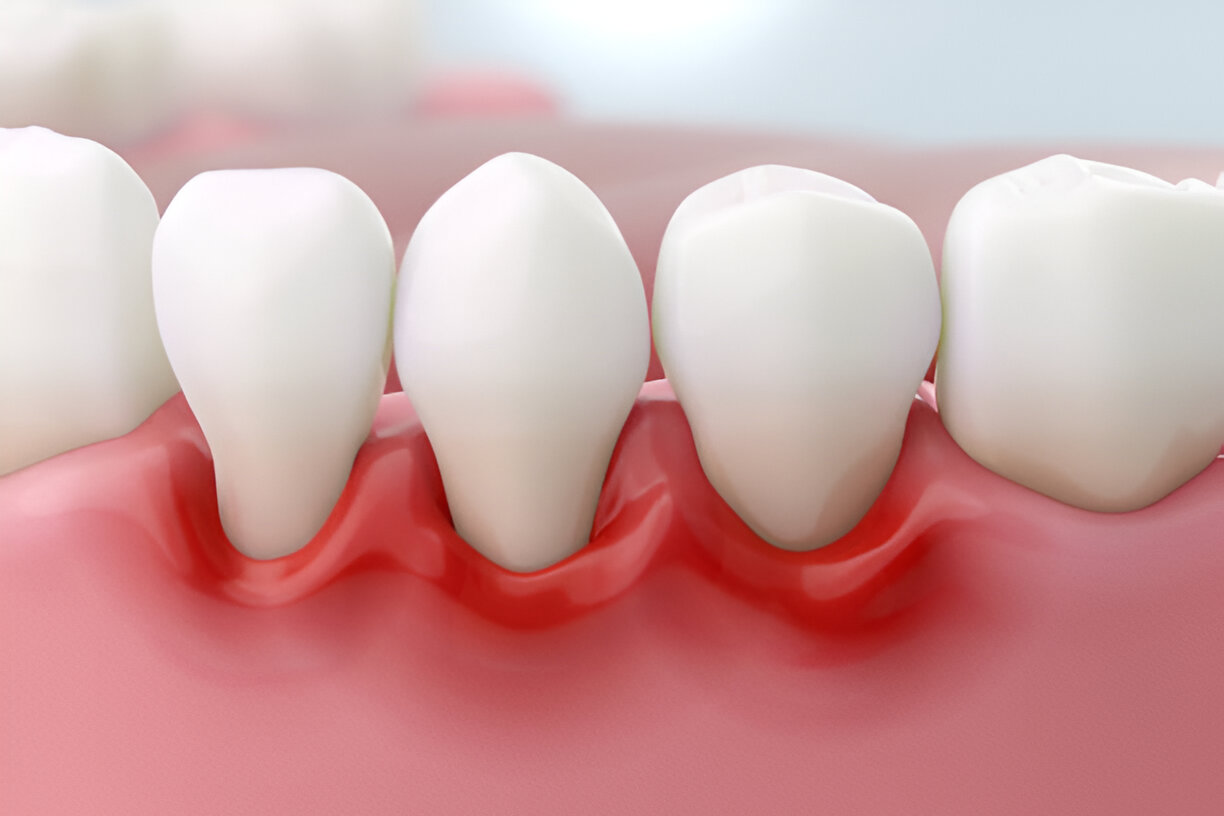
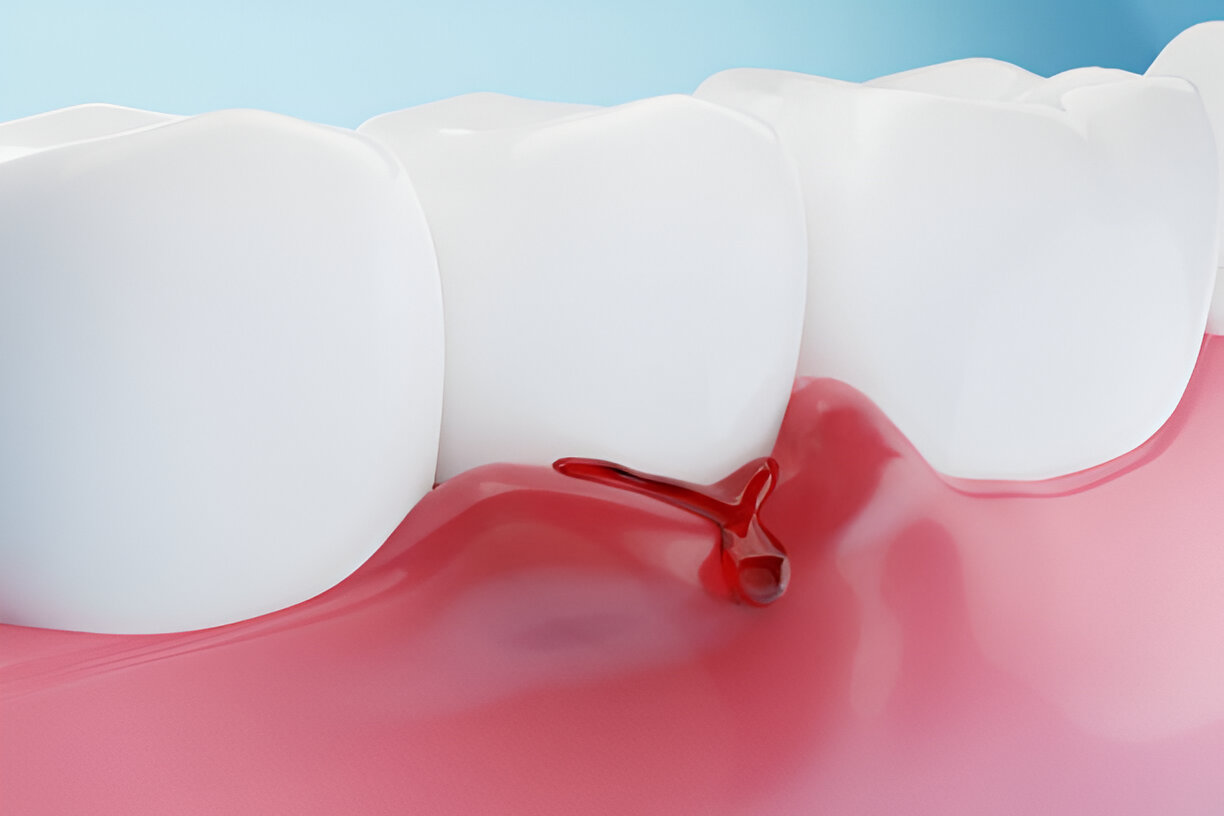
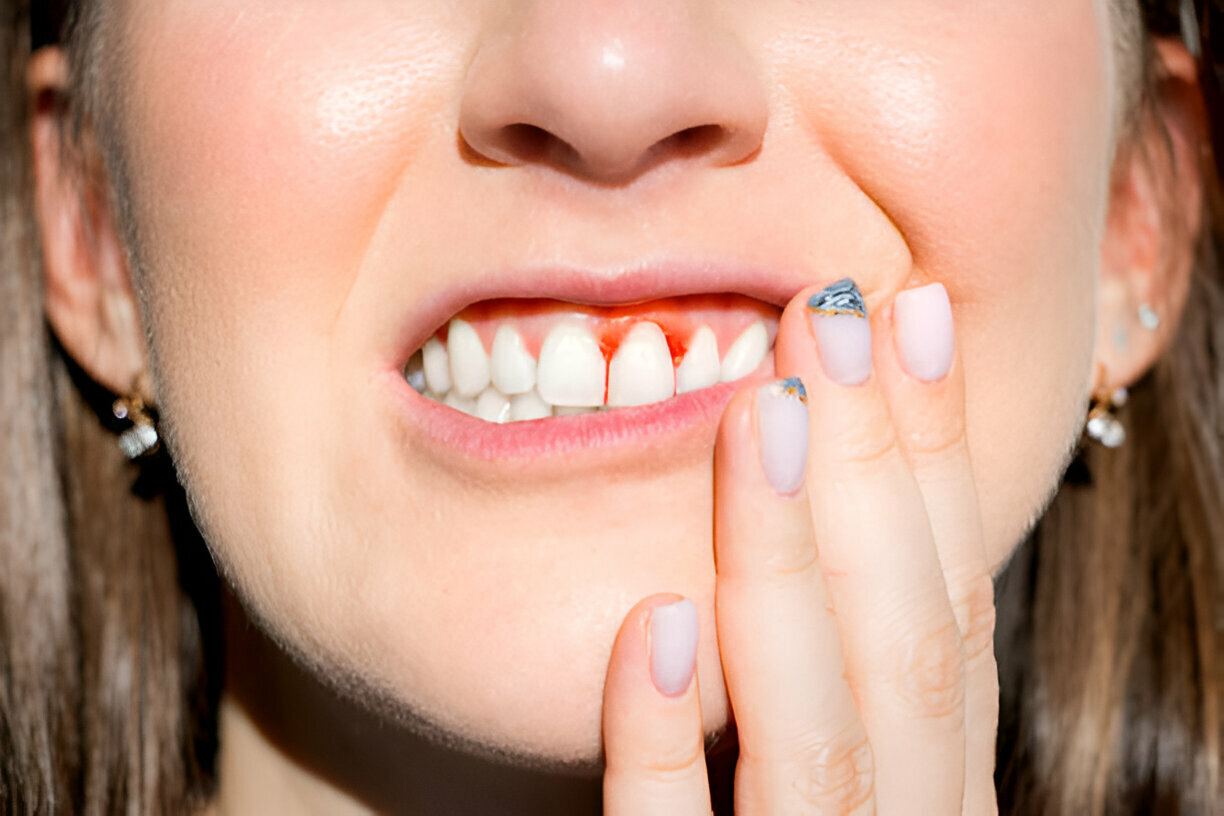
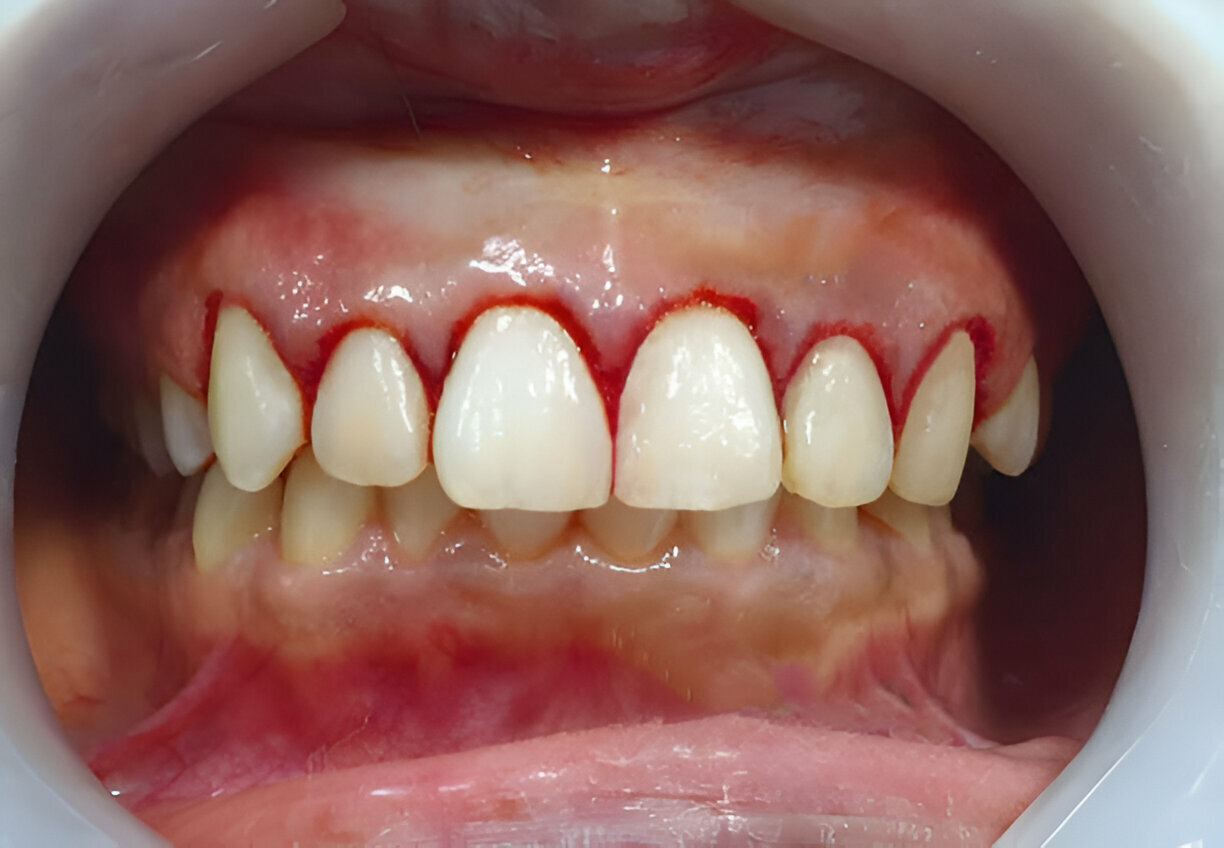
The most frequent symptom of gum disease is bleeding gums, which typically signal a buildup of germs in plaque and pockets beneath the gum line, producing inflammation.

Tenderness & Redness of Gum

Other symptoms of gum disease include gum soreness and redness, a poor taste in the mouth, dry mouth, and tooth loss over time. Gum disease can cause bone and gum tissue loss around the teeth in adults, resulting in pockets too deep for regular dental cleanings.

  • Bad breath
  • Changes in the position of your teeth or loose teeth
  • Receding gums
  • Red, tender, or swollen gums
  • The buildup of plaque or tartar on your teeth
  • Pain when chewing
  • Tooth loss

It is critical to monitor any changes in your mouth and see your dentist if you have any concerns. Regular check-ups and expert cleanings can help prevent and identify gum disease in its early stages.

The 4 Stages of Periodontitis

Periodontal disease develops and worsens with time. Gum disease occurs in four phases, which include:

  1. Gingivitis: Gingivitis is an early-stage gum disease that is less serious than periodontitis. It causes red and swollen gums, although bone loss around the teeth has not yet begun. However, gingivitis can be reversed if you improve your oral hygiene and visit your dentist in Grants for regular cleanings over time. 
  2. Mild Periodontitis: When left untreated, gingivitis progresses to moderate periodontitis. At this point, your gums separate from your teeth, and you start to lose bone surrounding them. As a result, you will have periodontal pockets. Plaque, tartar, and germs become trapped in these pockets, where your toothbrush and floss cannot reach.
  3. Moderate Periodontitis: As periodontitis advances, you lose more bone surrounding your teeth. Bacterial growth continues to destroy the ligaments and soft tissues that support and maintain your teeth’s health. During this period, your gums may feel painful and sensitive.
  4. Severe Periodontitis: Periodontitis worsens when left untreated. As bone loss progresses, teeth may become loose and eventually fall out. In addition to bleeding gums, pus and inflammation typically surround the gum line, which can cause persistent foul breath (halitosis).

Periodontitis can affect both oral and general health. Research demonstrates a significant correlation between dental health and overall wellness. Patients with periodontitis are more likely to develop dementia, heart disease, stroke, and other major health problems.

What Causes Periodontitis in Your Gum?

Healthy adults often have hundreds of different microorganisms in their mouths. The majority of them are entirely harmless. When you don’t brush your teeth properly every day, bacteria grows and accumulates on them.

Periodontitis is usually caused by poor oral hygiene. 

The consequences of not brushing your teeth and cleaning hard-to-reach regions in your mouth are as follows:

Advanced Gum Disease: Symptoms, Risks, and Treatment Options_2

The bacteria in your mouth proliferate and produce a material called dental plaque. If you do not brush away the plaque, germs will cause minerals to accumulate on it over time.

This mineral layer, known as tartar, promotes bacterial development near the tooth’s root. Your body’s immunological response to this bacterial growth causes inflammation in your gums.

A periodontal pocket, or gap, may occur between the gum and the tooth root due to disruptions in the gum’s attachment to the root over time. When harmful anaerobic bacteria proliferate in the pocket, they can produce toxins that harm the teeth, gums, and supporting bone structures.

Treatment Options for Periodontitis

Professional Cleanings

During a professional cleaning, your dentist will polish your teeth, provide fluoride treatment, and remove tartar and plaque from the roots of your teeth. To promote recovery, any developed periodontal pockets must be thoroughly cleaned. Scaling and root planing, a thorough cleaning technique, will assist in removing tartar and any rough areas on the tooth root where germs tend to collect.

Antibiotics

When cleanings don’t seem to help persistent gum infections, your dentist may occasionally recommend antibiotics. Antibiotics work great for gum disease treatment and come in different forms, namely a gel, mouthwash, pill, or capsule for oral use.

Follow-up Appointments

Your dentist will want to check in with you after a few weeks and review your progress every three to six months. If periodontal pockets persist, they may offer other treatments, such as surgery.

Advanced Gum Disease: Symptoms, Risks, and Treatment Options_3

Surgery

If irritation develops in areas inaccessible to flossing or brushing, your dentist may offer flap surgery to remove deposits behind your gums. Your gums are removed under an anesthetic, and the roots of your teeth are cleaned thoroughly. The gums are subsequently sutured (sewn) back in place.

If you have experienced bone loss, bone grafting may be performed concurrently with flap surgery to rebuild the missing bone.

Follow Oral Hygiene Practices

Your dental care team will teach you how to limit the amount of germs in your mouth, which includes keeping your teeth and gums clean. Your dentist will also teach you how to use toothbrushes and dental floss correctly, and they may prescribe other oral hygiene items like a water pick or mouthwash.

Here are a few ways to keep your teeth healthy:

  • Brush your teeth twice a day using fluoridated toothpaste.
  • Consider using an electric toothbrush; it may be more effective.
  • Floss at least once a day to help eliminate plaque.
  • Visit your dentist at least twice a year for a thorough cleaning.
  • Do not smoke or chew tobacco.

Takeaway

  • It is critical to monitor any changes in your mouth and see your dentist if you have any concerns. 
  • Individuals affected by periodontal disease may experience a variety of symptoms and signs based on the level of their severity.
  • Most individuals (about 9% of people in the US) only learn about the importance of gum health when it deteriorates.
  • Don’t let your gum diseases advance to a more serious stage – visit our experts at Sundance Dental Grants today! 
Exploring Different Types of Restorative Dental Procedures: Which One is Right for You?

Summary:

Whether you have cavities, missing, broken, or damaged teeth, restorative dentistry is your best approach to restoring your smile. 

Modern dentistry offers many dental restoration options, from crowns to fillings and oral bonding.

Exploring Different Types of Restorative Dental Procedures: Which One is Right for You?_1

Sadly, many individuals have a limited idea about how restorative dentistry can fix their smile. Therefore, in this blog, we take a closer look at the different types of therapeutic procedures with topics like:

  • Understanding Restorative Dentistry – What Is It About?
  • Top Restorative Dental Procedures
  • Advantages of Restorative Dentistry
  • Difference Between Restorative Dentistry and Cosmetic Dentistry
  • Factors To Consider When Choosing A Restorative Dentistry Procedure

So continue reading as we learn more about these procedures in the following sections and understand what’s best for you. 

Understanding Restorative Dentistry – What Is It About?

Restorative dentistry is a branch of dentistry that focuses on replacing or repairing teeth to improve oral health and chewing ability. It is vital for long-term dental health. 

A restorative dentist generally conducts these treatments to help you smile effortlessly. The professionals use bridges, crowns, implants, and dentures to repair damaged or rotting teeth and restore the full function of your smile. Once done, the treatment allows you to speak, eat, and chew more comfortably.

What’s more, the top restorative dentistry procedures also provide additional cosmetic benefits by improving the appearance of your smile. Let’s learn more about them in the following section. 

Top Restorative Dental Procedures

Restorative dentistry involves many operations to replace, repair, or improve teeth and oral health. 

Here, we’ll look at some of the most popular therapeutic dental procedures:

1. Dental Fillings

Cavities, or tooth decay, are a severe oral condition caused by bacteria eating away at your enamel. Dental fillings are an excellent option for repairing minor cavities caused by tooth decay. 

During this process, your Restorative Dentist in Grants, NM, will remove the decaying area of your tooth and replace the hole with a tooth-colored composite material. It will avoid further damage and stop the spread of tooth decay.

2. Dental Crowns (Caps)

Next, we have dental crowns or caps. They are great for repairing major cavities and healing your fractured tooth. The treatment involves a crown that covers the entire visible area of your tooth, adding strength and perfection to your cavity. 

In this procedure, your dentist will remove some of your natural tooth enamel before placing the crown. Once done, they will remove a portion before installing the crown on your tooth.

3. Dental Bridges

A dental bridge can restore a lost tooth or a row of missing teeth. The appliance involves a set of prosthetic teeth and dental crowns placed on either side of your jaw. It is a great option for restoring your ability to eat and talk and keeping teeth in proper alignment. 

Bridges offer a sturdy and aesthetically acceptable alternative to missing teeth. Once placed, your dentist will shape your natural teeth on both sides of the gap. 

4. Inlays & Onlays:

In some unique cases, a cavity may be too large for a filling yet too tiny for a crown. This is where inlays and onlays come into the picture. An inlay fills the area between your teeth, whereas an onlay covers at least one of the cusps. 

These custom appliances are permanently fixed into your natural tooth to give you a seamless smile. Both inlays and onlays offer a long-lasting treatment for mild cavities while retaining the natural appearance of your tooth.

5. Dentures

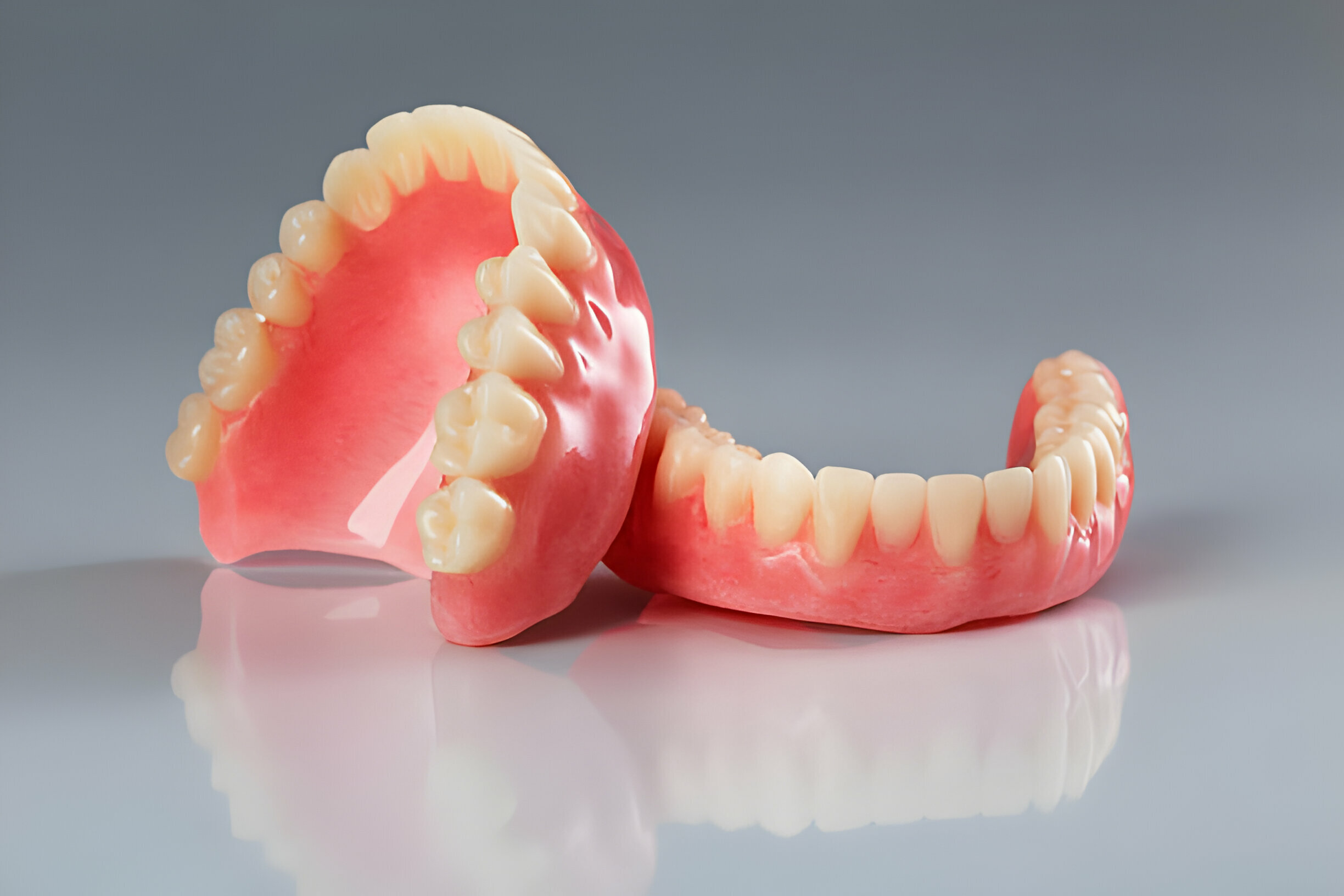
Lastly, dentures are one of dentistry’s most popular tooth replacement options. When visiting your dentist in Grants, you’ll be offered primarily two types of appliance: complete and partial dentures. 

Complete dentures are used when all teeth in an arch are missing, whereas partial dentures replace several lost teeth in separate regions. Both the appliances rest on top of your gums and are supported by the jawbone. In other cases, you can also opt for an implant-supported denture for added stability and comfort.

Advantages of Restorative Dentistry

Restorative dentistry provides several benefits for individuals of all ages. Let us look at some of the advantages:

  • Restoring Oral Health: Restorative procedures assist in repairing damaged teeth and improving oral health.
  • Improving Chewing Function: They improve chewing function by repairing broken or missing teeth, allowing you to chew and enjoy your favorite meals.
  • Eliminating Dental Pain: Restorative procedures relieve dental discomfort caused by cavities, infections, or damaged teeth.
  • Reducing Future Dental Issues: Promptly addressing dental diseases minimizes further difficulties and lowers the chance of future dental disorders.
  • Enhancing Smile Appearance: Many restorative treatments provide cosmetic benefits, leading to a more confident smile.

Difference Between Restorative Dentistry and Cosmetic Dentistry

Many individuals confuse restorative for cosmetic dentistry when undergoing the treatment.

While they may sound similar, there’s a significant difference between the treatment options. Restorative dentistry primarily focuses on restoring your oral health and function, whereas cosmetic dentistry seeks to improve the look of your smile. 

Exploring Different Types of Restorative Dental Procedures: Which One is Right for You?_2

Understanding that restorative and cosmetic dentistry are not mutually incompatible is crucial. Their missions frequently overlap as they strive to provide patients with holistic dental treatments. 

Now that we’ve covered the fundamentals let’s review the different factors to consider when choosing a restorative dentistry procedure. 

Factors To Consider When Choosing A Restorative Dentistry Procedure

Choosing the best restorative dental method necessitates careful evaluation of several criteria. Here’s a step-by-step tutorial that will help you make an informed decision.

1. Consultation With A Dentist

Scheduling a consultation with your dentist in Grants is your first step towards choosing the right restorative procedure. During this session, your dentist will evaluate your health, discuss your problems, and provide appropriate recommendations depending on your case.

2. Dental Evaluation

Once they finish the screening, the dentist will perform a complete dental examination that may involve X-rays, scans, and digital imprints. This assessment assists in determining the degree of the damage, the condition of the surrounding teeth, and any underlying disorders that must be treated before proceeding with the treatment.

3. Type Of Dental Issue

Next, it’s time to determine the precise dental condition you’re experiencing. Understanding the problem will help you limit your restorative alternatives, whether a chipped tooth, missing teeth, cavities, or other issues.

4. Treatment Goals

Talking to your dentist is one of the best ways to undergo the ideal treatment. During this time, try to define your goals and expectations from the restorative treatment. Are you most concerned with enhancing aesthetics, restoring functioning, or both? Your objectives will play a key influence in deciding the best technique.

Exploring Different Types of Restorative Dental Procedures: Which One is Right for You?_3

5. Longevity

Consider the procedure’s duration. Some options, like dental implants, provide long-term solutions. Such appliances generally last a lifetime (when cared for properly). However, other options may require replacement after a specific amount of time.

6. Oral Health Habits

Next, you must evaluate your overall oral health habits! Certain operations may need more thorough dental care and maintenance than others. Ensure that you maintain regular hygiene to guarantee the effectiveness of your selected procedure.

Takeaway

  • Restorative dentistry is a branch of dentistry that focuses on replacing or repairing teeth to improve oral health and chewing ability.
  • Modern dentistry offers many dental restoration options, from crowns to fillings and oral bonding. 
  • Complete dentures are used when all teeth in an arch are missing, whereas partial dentures replace several lost teeth in separate regions.
  • Choosing the best restorative dental method necessitates careful evaluation of several criteria.
  • Want the best for your smile? Don’t wait for things to worsen; consult with our Sundance Dental Grants professionals to understand what works best for you. 

5 Signs You’re A Good Candidate For Invisalign Braces

Summary:

Are you also among the 65% of US residents with misaligned, malformed, or broken teeth? 

If so, it’s quite likely that your orthodontist has already suggested braces for your treatment.

5 Signs You’re A Good Candidate For Invisalign Braces_1

Sadly, not everyone welcomes the idea of wearing metal brackets and wires to fix their smile. Given a choice, most individuals would like to switch to a more comfortable, discreet alternative. 

This is where transparent braces or Invisalign enter as a breakthrough orthodontic treatment option. Clear aligners help you change your smile without the hassle of metal brackets.

However, not everyone is an ideal candidate for these braces. The treatment is only possible if your oral health qualifies for alignment using aligners. 

Let’s learn more about it as we discuss topics like:

  • Invisalign Braces For Straightening Teeth
  • Five Indications You Might Benefit From Invisalign Braces
  • Maintenance Tips For Invisalign Braces
  • Signs Invisalign Might Not Be the Right Choice for You

Continue reading in the following sections as we learn more about what makes you eligible for these transparent braces. 

Invisalign Braces For Straightening Teeth

Invisalign braces have transformed orthodontic care by introducing discreet and transparent aligners. These braces are designed using thermoplastic materials to reposition the teeth gradually. 

The procedure involves a series of transparent, custom-made plastic trays that fit over your teeth to move them in position. It also involves different sets of Invisalign braces to align your teeth properly. 

During this period, your dentist in Grants will suggest certain guidelines that you need to follow to accelerate the process and improve your smile. 

Five Indications You Might Benefit From Invisalign Braces

The popularity of clear braces stems from their nearly invisible appearance and the ability to correct various dental issues effectively. Their convenience and effectiveness in achieving desired dental outcomes have gained popularity among adults and teens, resulting in 96% user satisfaction with the appliance. 

Wondering if clear braces are right for you? Below are a few conditions in which you should go for these:

You Have Misaligned Teeth

Misaligned teeth are a severe condition that affects not only your oral health but also your overall lifestyle. They can cause your teeth to become overcrowded or gapped, leaving room for infection. 

However, this is where Invisalign enters as a seamless treatment to address your misaligned teeth. The appliance gradually shifts your teeth into the desired position, giving you a straighter and more aesthetically pleasing smile.

Facing Bite Problems? Invisalign Can Help!

Overbites, underbites, and crossbites can cause discomfort and affect one’s ability to chew correctly. In severe situations, they can also result in jaw pain or TMJ disorders. 

Clear braces can help correct these bite issues by guiding your teeth into proper alignment, improving both function and comfort. The appliance is also great for improving your bite force and addressing oral health. 

Transparent Braces Can Be Your Go-To Solution For Gaps Between Teeth

Diastema is a condition in which individuals have gaps or spaces between teeth. While natural, these gaps make most individuals self-conscious. Apart from aesthetic concerns, these gaps can impact oral health by making it easier for food particles to get trapped between teeth. In turn, this increases the risk of gum disease. 

However, this is where Invisalign can help close such gaps. The braces push unaligned teeth into position, gradually improving your aesthetics and smile.

Invisalign Braces Can Fix Your Crowded Teeth

Crowded teeth are common among individuals with insufficient room in the jaw for all teeth to line up correctly. It often results in overlapping or twisted teeth, making cleaning difficult. 

When left untreated, oral conditions can quickly escalate into problems like cavities and gum disease. Invisalign treatment can help eliminate these conditions by pushing teeth into the correct position, creating more space, and improving oral hygiene.

If You Experience Jaw Discomfort Or Pain, Consider Using Clear Braces

Misaligned teeth and bite problems can place undue stress on the jaw joints, leading to discomfort, pain, and headaches. It could also result in TMJ in certain cases, making it almost impossible for you to continue with everyday tasks like eating or talking. 

Invisalign treatment improves the alignment of your teeth and helps alleviate these symptoms by ensuring proper bite alignment. The flexible braces distribute your bite force equally and help alleviate your jaw discomfort and pain. 

Maintenance Tips For Invisalign Braces

Maintaining your transparent braces is essential for the long-term success of your treatment. Sadly, many individuals tend to overlook this aspect of the treatment.

5 Signs You’re A Good Candidate For Invisalign Braces_2

So here are some proven tips to help you keep your braces in good condition:

  1. Keep Them Clean: Clean your appliance regularly using a soft toothbrush and clear, antibacterial soap. Avoid toothpaste, as its abrasive nature can damage the aligners.
  2. Remove Before Eating and Drinking: Take out your aligners before eating or drinking anything other than water. This prevents food particles from getting trapped and staining the aligners.
  3. Brush and Floss Before Reinserting: Maintain good oral hygiene by brushing and flossing your teeth while wearing aligners. This will eliminate any bacterial accumulation on your appliance. 
  4. Follow Wear Guidelines: Wear your aligners for up to 20-22 hours per day or as your professional suggests for Invisalign in Grants, NM. Consistency is key to achieving the desired results.
  5. Handle with Care: Always handle your aligners with clean hands and avoid exposing them to high temperatures. It could deform your appliance and affect your treatment. 

Signs Invisalign Might Not Be the Right Choice for You

Before committing to Invisalign, you must discuss it with your dentist. Here are five signs that clear braces might not be the best option for you:

You Have Complex Dental Issues

Invisalign may not be suitable for addressing severe orthodontic concerns such as significant overcrowding or complex bite issues. In such cases, your dentist might suggest traditional braces for effective treatment.

You Can’t Wear Braces All the Time

Success with transparent retainers hinges on consistency. You must wear the appliance for 20 to 22 hours daily. However, if you can’t wear them consistently, Invisalign won’t be effective. 

Transparent Braces May Be Expensive for Some

While Invisalign costs are comparable to traditional braces, additional expenses like replacement aligners or lost trays should be considered. Traditional braces could be a more economical choice if you’re on a tight budget.

Clear Braces May Take Time 

Though the duration of Invisalign treatment is similar, traditional braces could be faster in certain instances. For instance, when your dentist requires precise control over tooth movement, they’d choose traditional braces over clear aligners.

There are Maintenance Challenges for Transparent Braces

Proper care and maintenance of clear aligners are essential for treatment to be successful. However, individuals prone to misplacing items or struggling with a rigorous cleaning regimen might find it hard to wear aligners.

5 Signs You’re A Good Candidate For Invisalign Braces_3

Takeaway

  • Clear braces offer a discreet way to reposition your teeth, being nearly invisible and more comfortable than traditional braces.
  • Invisalign boasts a high satisfaction rate of around 96%, indicating its effectiveness in aligning teeth and addressing bite issues.
  • Transparent braces may not be for everyone; therefore, you must discuss your dental conditions, wearability, and other considerations. 
  • Maintenance is key to successful Invisalign treatment. 
  • Let’s reform your smile with our experts at Sundance Dental Grants. Call us to give your smile a better future today! 
Load More