Category : dentist grants

Grants For Teeth Implants: Affordable Options For A Radiant Smile

Summary

A missing tooth is one of the worst dental problems you can face. 

While you might lose your pearly whites for several reasons, tooth loss can impact chewing abilities, speech, and smile. Fortunately, dental implant Grants help you restore your oral functions and enhance your smile.

Grants For Teeth Implants: Affordable Options For A Radiant Smile_1

In this blog, we shall walk you through topics like: 

  • Understanding Dental Implants – An Insight into The Appliance
  • Dental Implants for A Radiant Smile – Importance Explained! 
  • Understanding the Process of Oral Fixtures
  • Tips to Care For Your Dental Implants

Continue reading as we learn more about grants for dental implants in the following sections. 

Understanding Dental Implants – An Insight into The Appliance

A missing or lost tooth is a common problem most individuals face. Stats suggest that over 156 million Americans have missing teeth, which has led them to opt for implants to improve their smile and oral functionality. 

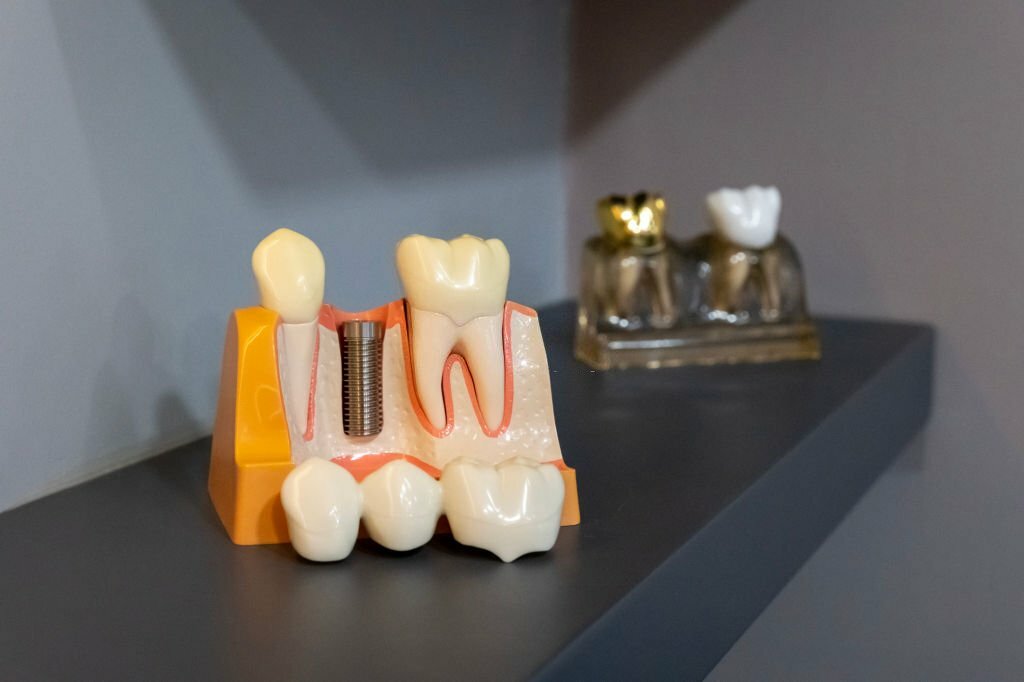
Teeth implants are a cutting-edge solution for individuals with missing teeth. Dentists make these prosthetic teeth from titanium, which seamlessly integrates with the jawbone through a process known as osseointegration. 

Skilled oral surgeons carefully place these implants, providing a stable foundation for artificial teeth like crowns, bridges, or dentures. This innovative treatment restores a natural-looking smile, improves chewing functionality, and preserves bone density. This is why many individuals visit professionals like Grants for teeth implant treatment.

Dental Implants for A Radiant Smile – Importance Explained! 

In modern dentistry, dental and implants testify to innovation and advancement, offering many benefits beyond tooth replacement. 

Here’s the significance of dental implants that you should know:

Restoration Of Functionality

Dental implants differentiate themselves from conventional tooth replacement methods such as dentures or bridges. Unlike their counterparts, fixtures precisely mimic teeth’s natural structure. 

Dentists in Grants Clinic integrate these fixtures into the jawbone to offer a solid foundation for replacement teeth, enabling individuals to chew, speak, and smile freely.

Durability And Longevity

While traditional oral prosthetics may require frequent adjustments or replacements over time, implants offer remarkable durability. 

Dentists craft them from high-grade titanium to withstand daily wear and tear. With proper care and maintenance, these oral fixtures can last for decades.

Preservation Of Bone Density

Tooth loss can trigger a gradual jawbone deterioration, leading to a sunken facial appearance and heightened susceptibility to further tooth loss. 

Implants in dentistry address this issue by stimulating bone growth and maintaining bone density. They also help preserve the jaw’s structural integrity and safeguard against future complications.
Grants For Teeth Implants: Affordable Options For A Radiant Smile_2

Enhanced Aesthetics

Implants improve aesthetics by restoring smiles and natural beauty. Dentists customize porcelain crowns to integrate them with fixtures, which can provide natural-looking teeth.

This aesthetic harmony enhances overall facial symmetry and radiance, provoking individuals to feel confident and self-assured.

Improved Oral Health

Dental implants are a non-invasive alternative that preserves the integrity of adjacent teeth. By integrating directly into the jawbone, fixtures eliminate the need to alter or compromise neighboring teeth. 

The absence of gaps or crevices around the implant site further minimizes the risk of bacterial accumulation, reducing the likelihood of periodontal disease and other oral health issues.

So, if you are seeking fixture treatment, visit your nearest clinic or search “dental implants Grants near me” online to enjoy its benefits. 

Understanding the Process of Dental Implants

Dental implants have emerged as a popular option for replacing missing teeth, offering a natural-looking and durable solution. The process of receiving dental implants typically involves several key steps:

Treatment Plan

Implant dentists will evaluate your oral condition and decide if you need oral appliances. Based on the evaluation, they will develop a personalized treatment plan to address your case. 

This plan outlines the number of implants required and any additional procedures, such as bone grafting, that may be necessary for successful dentist implant placement.

Surgical Procedure

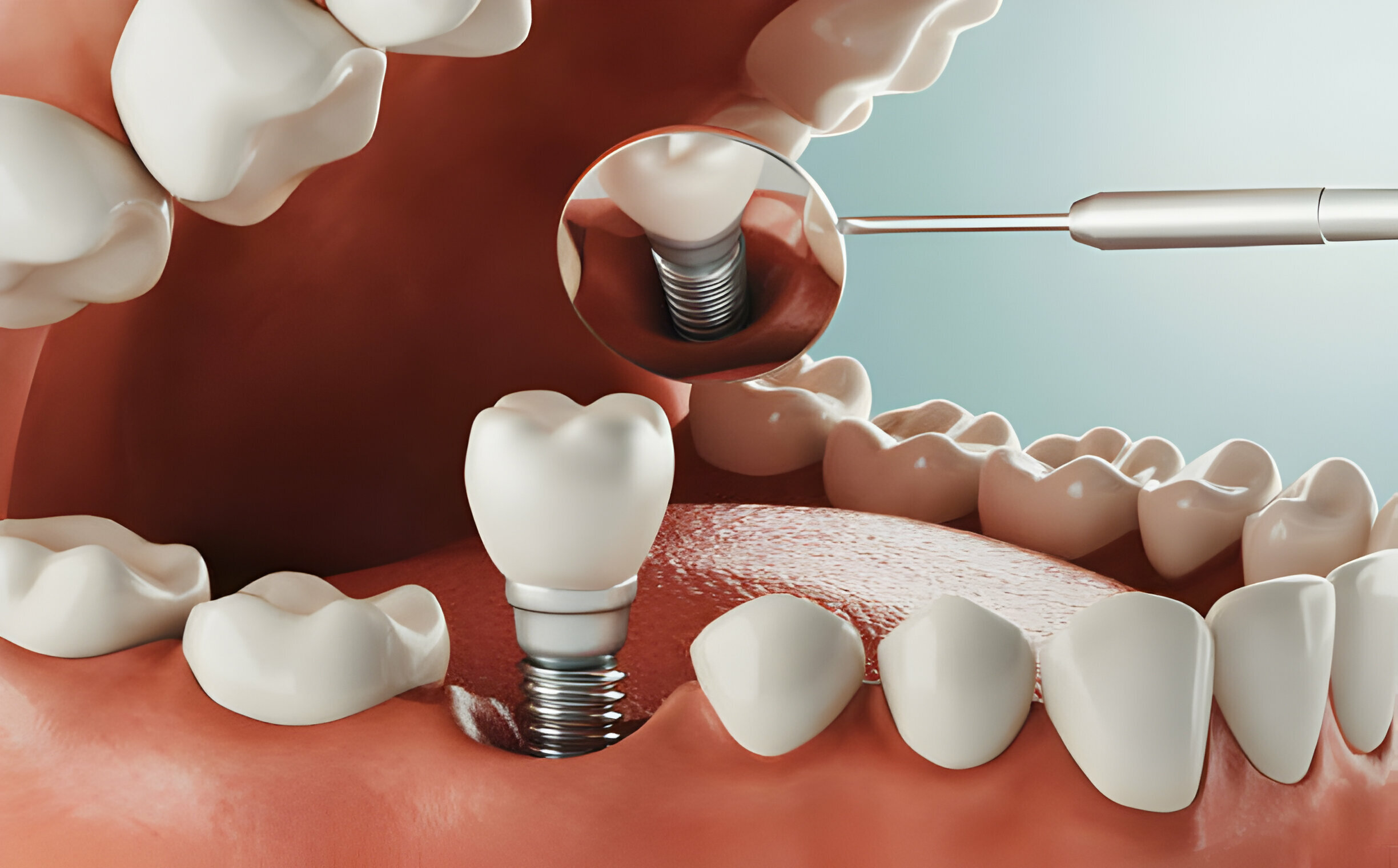
The next step involves surgically placing the tooth implantation into the jawbone. Dentists generally perform this procedure under local anesthesia to minimize pain and discomfort. They will carefully insert the implant into your jawbone, where it will fuse over time to provide a stable foundation for the replacement tooth.

Healing And Integration

Following the dental implant procedure, our surgeons suggest a healing period to allow the implant to integrate with the surrounding bone. This process is known as osseointegration, and it can take several weeks to several months, depending on individual healing rates.

Attachment Of Abutment

Once the implant has fully integrated, our dentists will attach a small connector called an abutment. This abutment will act as the foundation structure for the final restoration, which our dentist will place on top of the implant.

Final Restoration

Our dentist will attach the custom-made restoration to the abutment in the final implant process. We designed this restoration to closely match the appearance and function of natural teeth, providing a seamless and aesthetic result.

Tips to Care For Your Dental Implants

Dental implants are an incredible investment in your oral health and overall well-being. However, proper care is essential to ensure their success and longevity. 

Here are some maintenance tips for oral care:

  • Commitment To Excellent Oral Hygiene

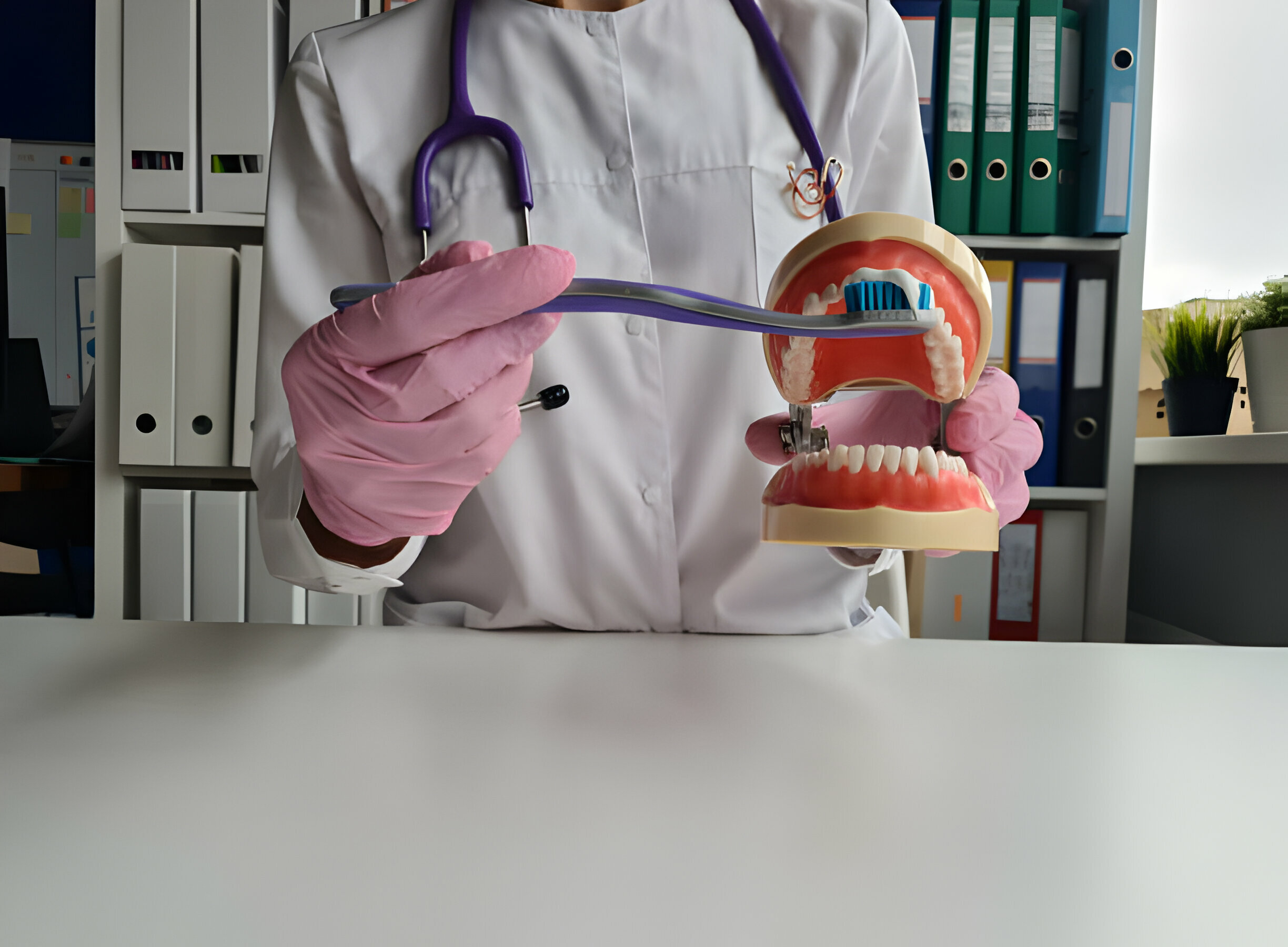
Maintaining adequate oral hygiene is essential for the health of your dental implants. Brush your teeth twice daily using a soft-bristled toothbrush and fluoride toothpaste. Floss daily to remove plaque and food particles between teeth and the appliance. 

  • Choose Implant-Friendly Oral Care Products

Select oral care products specifically designed for fixtures. Avoid abrasive toothpaste or harsh mouthwashes that can scratch the surface of the fixture or irritate the surrounding tissues. Our dentist can recommend suitable products to maintain the health of your implants and protect against infection.

  • Attend Regular Dental Check-Ups

Schedule routine check-ups with our dentist to monitor the condition of your implants. Our dentist will conduct thorough examinations, assess the stability of the fixtures, and perform professional cleanings to remove hardened plaque (calculus) that cannot be removed at home. 
Grants For Teeth Implants: Affordable Options For A Radiant Smile_3

  • Mindful Eating Habits

Be mindful of your eating habits to prevent damage to your fixtures. Avoid chewing on complex objects such as ice, pens, or hard candy, as this can exert excessive pressure on the fixtures and cause them to fracture or loosen. Avoid sticky or chewy foods that can adhere to the implant surfaces and promote bacterial growth. 

  • Look For Signs Of Implant Complications

Stay vigilant for any signs or symptoms of implant complications that may arise. These may include persistent pain or discomfort around the implant site. Other signs include swelling, inflammation, bleeding during brushing or flossing, mobility or instability of the implant, or changes in the appearance of the implant crown.

Takeaway

  • Dental implants can address different factors like missing teeth, tooth decay, cavities, and oral trauma.
  • Over 156 million Americans have at least one missing tooth, which has led them to use fixtures. They can restore oral functionalities, preserve bone density, and enhance your smile. 
  • Dental surgeons use crowns as restorations which can mimic your natural teeth. 
  • After successful implant surgery, one should follow oral hygiene, avoid bad eating habits, and choose implant-friendly products to ensure durability. 
  • Losing a tooth can be challenging; we understand it like nobody else. Get the most out of your smile at Sundance Smiles today!
Unlocking the Secrets of Dental Crowns: A Comprehensive Guide

Summary:

When it comes to preserving and restoring your oral health, nothing beats oral crowns! 

Crowns in dentistry are artificial external attachments that help in improving their strength and appearance and provide protection to them. These appliances are among the longest-lasting options, serving your smile beyond 10-15 years (if cared for properly). They help approach various dental problems, including discoloration, cracks, and gaps.  

Unlocking the Secrets of Dental Crowns: A Comprehensive Guide_1

This blog focuses more on the role of crowns in improving your smile. In the following sections, we understand more about: 

  • Dental Crowns: Definition and Functions
  • 7 Reasons You Must Opt for Dental Cap Treatment
  • Types of Dental Crowns You Should Know Of!
  • Procedure Behind Dental Crowns: How It’s Fitted?
  • Limitations and Risks of Dental Crown

Continue reading as we learn more about the appliance in the following sections. 

Dental Crowns: Definition and Functions

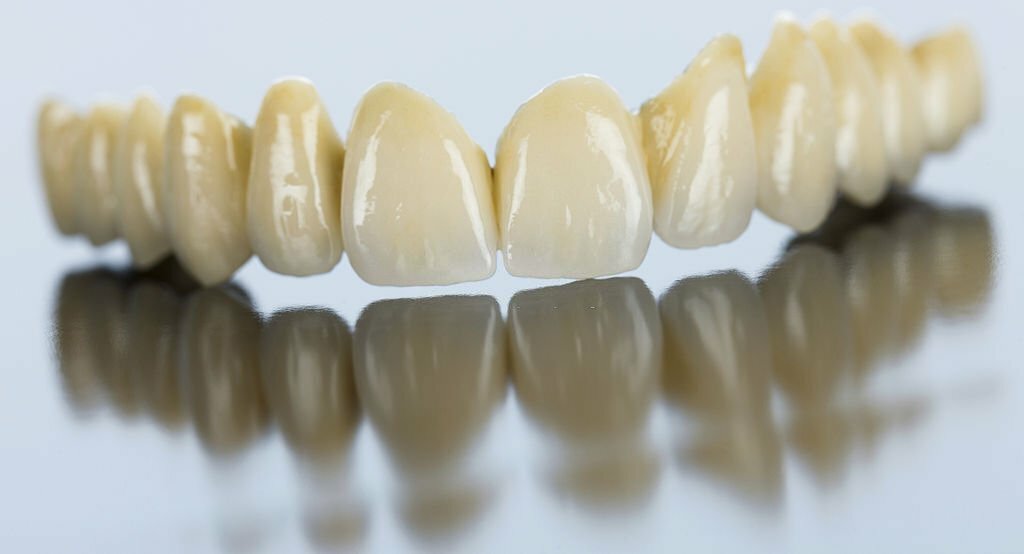
Dental crowns, also known as caps, are fixed prosthetic devices attached to the upper surface of the teeth or implants. They are custom-made crown dental treatments that cover the damaged tooth and restore its strength,  shape, size, and look. 

They are frequently indicated for teeth with extensive fillings, as well as those that have had root canals or implant treatments. Crowns are protective barriers, preventing further damage and maintaining general health. These appliances also provide different benefits for your oral health.

Key Functions of Dental Caps

Unlocking the Secrets of Dental Crowns: A Comprehensive Guide_2

Enhancing Appearance

Dental crowns on teeth make your cavity look better by fixing issues like discoloration or odd shapes. They can make a crown from porcelain, metal, or ceramic to match your natural teeth, giving you a nice, natural-looking smile.

Restoring Strength

Caps protect a damaged tooth. Whether a tooth has cracked enamel or a large filling, a crown strengthens it and restores its original structure and biting ability. The crown surrounds the tooth, making it more robust and stable.

Providing Protection

Oral caps act as a shield for teeth weakened due to a lot of decay or damage or for teeth with a root canal. They protect the tooth from more damage or infection. Crowns for dental are versatile and can be used to treat various oral issues.

Post Root Canal Treatment

After getting a root canal, your teeth can become fragile and prone to breaking. Caps help safeguard these delicate teeth, ensuring they last longer.

7 Reasons You Must Opt for Dental Caps Treatment

1 Tooth Decay

A new crown can be applied to reinforce a decaying tooth, enhancing its strength and function. If a cavity has extensive decay and is not strong enough to support the appliance, it may need removal. In such cases, alternatives like an implant involve placing an implant crown on top to fill the space.

2 Cracks in Teeth

Teeth that are cracked or fractured can be capped with a crown to hold the pieces together and prevent further damage. The crown provides stability and strength to the compromised tooth.

3 Cosmetic Enhancements

It is used for cosmetic purposes to improve the appearance of your misshaped, discolored, or irregular teeth. Crowning dental can give you a naturally pleasing and aesthetic look.

4 Broken Teeth

Teeth significantly worn down due to bruxism or age can be restored with caps to rebuild their size and shape.

5 Large Fillings

Teeth with large fillings that compromise their structural integrity may be strengthened and protected with caps.

6 Implant Restorations

Dentists commonly use dental crowns as the visible component of implants in the mouth. They attach the crowns to the implant post, providing a functional and natural-looking replacement for a missing tooth.

7 Misalignment in Teeth

Crowns are also part of a comprehensive treatment plan to address misaligned or overlapping teeth, providing functional and cosmetic benefits.

Types of Dental Crowns You Should Know Of!

When selecting the type of cap and its material, you must consider various factors, such as:

  • The tooth’s location and role in chewing.
  • How much of the tooth is visible when you smile
  • The position of the gum tissue around the cavity.
  • Your personal preference, insurance coverage, and budget.

Unlocking the Secrets of Dental Crowns: A Comprehensive Guide_3

  1. Crowns dentistry comes in permanent and temporary versions, which can be made from various materials:
  2. Stainless Steel: Dentists craft prefabricated crowns in the mouth from stainless steel and commonly employ them as temporary solutions, safeguarding a tooth while producing a permanent crown.
  3. Metal: Crowns fashioned from gold, platinum, or base-metal alloys exhibit excellent resistance to biting and chewing forces, displaying slower wear and reduced susceptibility to breakage or chipping. Nevertheless, some patients may find the metallic colors less appealing.
  4. Porcelain-Fused-to-Metal: Unlike metal caps, these can be color-matched to mimic the natural shade of a patient’s teeth. While they closely resemble natural teeth, the metal portion may be visible along the gumline, mainly if gum recession occurs. Despite their aesthetic appeal, these appliances wear faster. They are more prone to breakage or chipping, making them commonly utilized as bridge anchors due to the added strength of the metal component.
  5. All-Resin: These crowns offer a more budget-friendly option but exhibit faster wear and a higher likelihood of breakage than other crown types.

Procedure Behind Dental Crowns: How It’s Fitted?

Crowning dental is a multi-step journey typically requiring at least two appointments. Let’s look at each stage, from the initial consultation to the final placement.

Consultation and Examination:

Begin with an initial visit to your dentist for a thorough teeth examination.

Your dentist will carefully assess the need for a crown, utilizing X-rays to examine the designated tooth’s roots and surrounding bone structure.

If you’re a regular patient, the process may be streamlined as dentists in Grants, New Mexico already know your oral history.

Tooth Preparation:

The dentist prepares the tooth when an oral crown is necessary. They cut the outside section of the tooth to make room for the crown. The professionals may also use a composite filling core material for crown dentistry if it requires additional support.

Impression Taking:

After reshaping the tooth, the professional takes impressions of the prepared tooth, adjacent teeth, and gums. These impressions are crucial as they are sent to a dental laboratory for crafting the crown. The choice of materials for the crown includes metal, porcelain, resin, or zirconia.

Temporary Crown Placement:

While the dentist makes the permanent crown, they bond a temporary crown to the prepared tooth using temporary cement. This temporary crown preserves the enamel and keeps it structurally sound while it rests.

Final Crown Cementation:

The temporary crown is removed at the subsequent appointment, and the final cap is cemented. Necessary adjustments ensure a proper fit with your natural tooth and a comfortable bite.

Limitations and Risks of Dental Crown

  • The process of preparing a tooth for dentist crowns is irreversible. Newly crowned teeth may be sensitive to temperature variations and responsive to heat and cold.
  • Inadequate regular cleaning of a dental crown can lead to the onset of gum disease, as plaque may accumulate in the gap in the jawline and the crown.
  • Crowns, particularly those crafted from porcelain, are susceptible to chips. Over time, the cement securing the crown can deteriorate, resulting in the loosening of the crown. Decay of the underlying tooth can also contribute to this loosening.

While dental crowns can be a solution to a lot of problems, you still need to follow specific tips:

  • Practice a good oral hygiene routine
  • Avoid hard foods
  • Visit your dentist regularly
  • Maintain a balanced diet
  • Avoid smoking and excessive alcohol

Takeaway!

  • Oral caps represent a significant advancement in modern dentistry, offering a powerful solution to various oral concerns. 
  • Whether restoring strength, enhancing appearance, ensuring protection, or ensuring longevity, dental crowns bring many benefits that collectively contribute to a healthier, firmer, and more radiant smile. 
  • These appliances stand as a testament to the progress in modern technology, providing a functional and aesthetically pleasing option for oral restoration.
  • Still confused about the treatment procedures? Visit our professionals at Sundance Smiles to learn more about the treatment today! 

Everything You Must Know About Invisalign Braces Before Visiting Dentist

Summary:

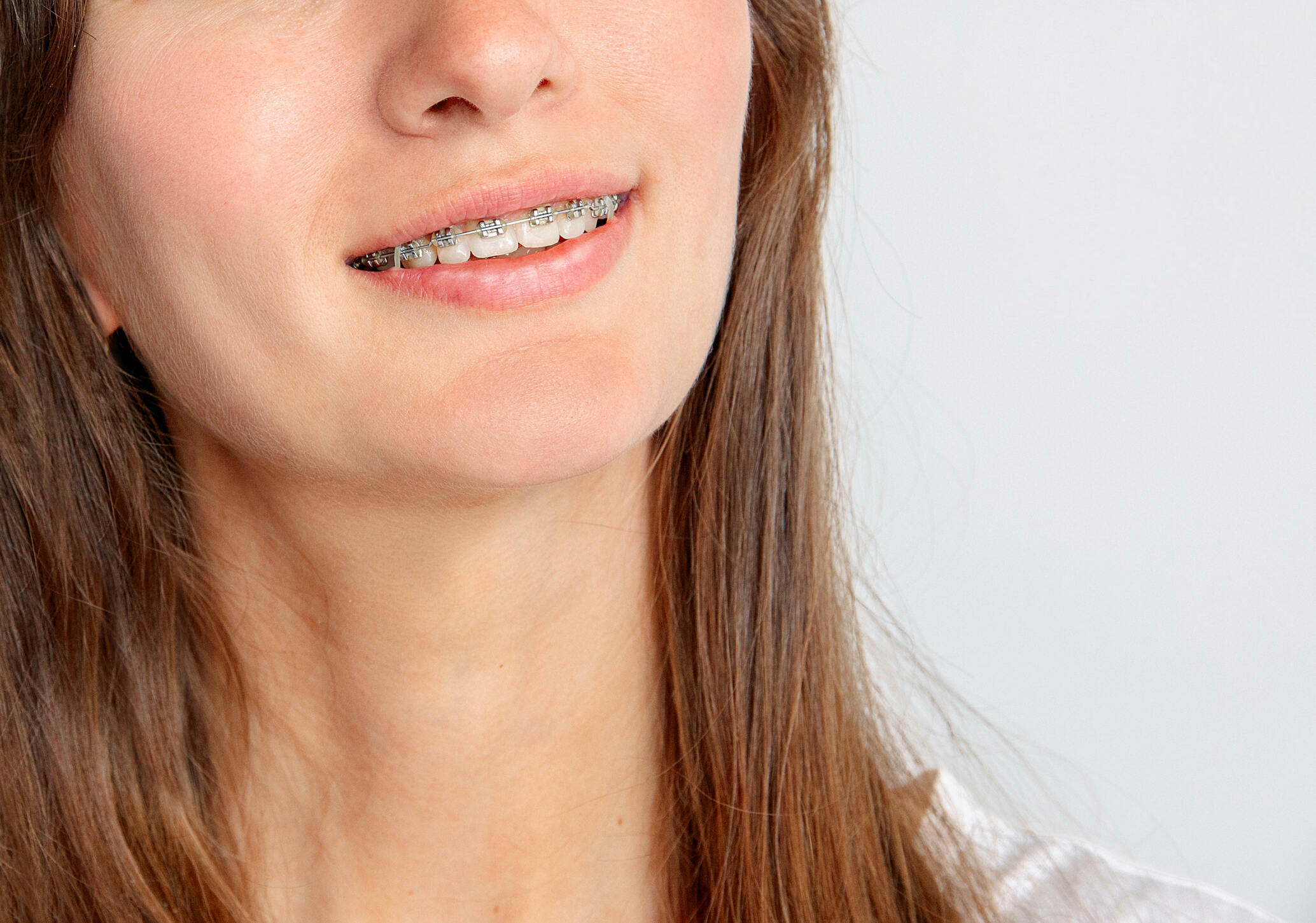
When discussing orthodontic treatment, most individuals often connect it to the pain and discomfort of traditional metal braces treatment.

Everything You Must Know About Invisalign Braces Before Visiting Dentist_1

Interestingly, however, that’s not all! You no longer need to go through months of pain, discomfort, and underconfidence due to metal braces. Invisalign is a great approach to align your teeth discreetly and comfortably. 

Invisalign has fixed over 2.4 million smiles and is the go-to option for adults of all ages. 

In this blog, we take a closer look at:

  • What is Invisalign – Its Role in Smile Correction
  • How Invisalign Works Behind the Scenes
  • What Makes Invisalign Ideal for Smile Correction?
  • 8 Things You Need to Know About Clear Aligners

Continue reading as we learn more about invisible braces for adults in the following sections. 

What is Invisalign – Its Role in Smile Correction

Invisalign braces are a part of orthodontic procedures where your dentist uses invisible aligners to correct your smile instead of traditional metal braces. They are translucent, removable, and less apparent than typical metal braces. 

The appliance comprises a set of custom, transparent braces that cover and gently pull your teeth into the correct position over time. 

Components of Invisalign – Everything that Makes it an Effortless Appliance

Invisalign transparent aligners are constructed of BPA-free plastic, making them far more comfortable than traditional metal braces. These transparent,  personalized aligners are designed to straighten your teeth and give you the stunning smile you’ve always desired. 

There will be no visible metal brackets or wires while using clear braces for therapy. What’s more? Clear braces can also help you achieve beautiful, comfortable, and well-aligned teeth in half the time traditional braces need. 

Everything You Must Know About Invisalign Braces Before Visiting Dentist_2

So whether you’re a parent looking into orthodontic treatment for your child or an adult who’s been putting off treatment for years, transparent braces are an effective and discrete solution. 

However, you can’t just receive treatment for Invisalign aligners. You’ll first need to consult your smile goals with a dentist in Grants to help you understand what you can expect with your treatment.

How Invisalign Works Behind the Scenes

Wearing Invisalign is simple and fits seamlessly into your daily routine. Once you receive your aligners, your dentist will install the transparent braces on your teeth. However, there’s more to the process than you see on the surface. 

Keeping the same in mind, we’ve listed down how the appliance works in three simple steps:

Step – I The Regular Wear

You will wear each pair of aligners for two weeks before switching to the next set. Your aligners will first fit firmly since they are intended to softly and accurately reposition your teeth. 

Step – II The Initial Movements

After a few days, your teeth will gradually shift into a new position. Your aligners will feel a little looser after a while. Do not exchange them too early if they begin to feel loose. 

Wear them for a full two weeks. It allows your teeth and gums time to acclimate to their new location. Switching aligners too early can disrupt your treatment plan.

Step – III Corrections and Checkups

Every six weeks, you must visit your Invisalign Dental near Grants, NM, to check your aligners and treatment progress. These examinations allow your dentist to decide whether any changes should be made to the aligners or your treatment plan.

What Makes Invisalign Ideal for Smile Correction?

One of the most compelling reasons to invest in aligners is how pleasant these aligners are to wear. Remember that your teeth are changing into a new position, so expect discomfort as they move, particularly with the initial aligners. 

When you initially put on a fresh set of aligners, the pressure on your teeth will progressively subside over the next several days. It’s best to contact your dentist if you are experiencing any substantial discomfort or pain. 

Interestingly, it isn’t all! Here are a few more orthodontic treatment benefits you should know:

Clear Aligners are Comfortable

The appliance is made of smooth plastic, so it does not cause discomfort or soreness like traditional metal braces. There are no metal brackets or wires that harm your teeth and gums.

A Discreet Option

The transparent aligners are practically invisible, so no one will notice you’re wearing them until you tell them or they see them up close. It is a major selling factor for many individuals who are afraid to get braces.

Removable Appliance

You may remove the aligners to eat, drink, clean your teeth, and floss. This makes it simple to keep your teeth healthy while wearing them. It means you can still eat your favorite meals while wearing invisible braces.

Clear Aligners Are Effective

Aligners progressively reposition your teeth into the suitable position, resulting in straighter teeth. If you follow your dentist’s recommendations, you won’t have to worry about your teeth shifting back into their original positions once you’ve finished wearing the aligners.

A Versatile Option!

Invisalign can be a versatile option to treat many orthodontic issues, including underbites, crooked teeth, and overbites. 

8 Things You Need to Know About Clear Aligners

  • Invisalign treatment can take longer than traditional braces:

While Invisalign is sometimes touted as a speedier alternative to conventional braces, treatment timeframes vary depending on the severity of your case. In certain circumstances, the therapy might take longer than traditional braces in orthodontic treatment for adults. Before beginning treatment, you should discuss your timeframe with your orthodontist.

  • Invisalign aligners must be worn for at least 22 hours per day:

You must wear your aligners for at least 22 hours daily to ensure your treatment is effective. You should only remove your aligners when you eat, drink, or clean your teeth. Follow the instructions for wearing your aligners to ensure your treatment is on time.

  • You will need to brush your teeth after every meal:

Because you must remove your invisible aligners while eating, cleaning your teeth after each meal is essential to keep food particles from being stuck in your aligners. Failure to wash your teeth regularly can cause tooth decay and gum disease.

  • You may experience some discomfort during the first few days of treatment:

Feeling discomfort during the first few days of using invisible aligners is typical. This soreness usually goes away after a few days as your teeth adjust to the pressure of the aligners.

Everything You Must Know About Invisalign Braces Before Visiting Dentist_3

  • Invisalign is not suitable for everyone:

While Invisalign is an excellent choice for many people, it may not be right for everyone. People with significant overbites or underbites should avoid using Invisalign aligners.

  • You may need to wear a retainer after treatment:

After you’ve finished your aligner treatment, your orthodontist may prescribe that you wear a retainer to help keep your new smile. Retainers can be fixed or removable and must be worn as instructed to keep your teeth from sliding back into their original position.

  • Invisalign treatment can be more expensive than traditional braces:

Depending on the complexity of your situation, aligner treatment may cost more than conventional braces. However, many believe that Invisalign’s convenience and cosmetic benefits make the increased expense worthwhile.

  • You can still enjoy your favorite foods during the Invisalign treatment:

One of the advantages of Invisalign treatment is that you may continue to eat your favorite foods while getting your teeth straightened. Because Invisalign aligners are removable, you may eat whatever you want if you remove them beforehand.

Takeaway

  • Clear aligners are a great option to fix your smile without having to undergo the pain of traditional braces.
  • Clear aligners are highly appealing to young adults as they are discreet, comfortable, and effective. 
  • Ensure you understand transparent braces before you enquire about them using the Invisalign dentist near me.
  • Need more guidance to understand the impact or role of Invisalign? Visit our clinic at Sundance Smiles today! 


Grants Orthodontist: Your Go-To for Orthodontic Care

Summary:

Are you:

  1. Avoiding your smile due to misaligned teeth?
  2. Dealing with tooth or jaw pain when you bite or chew hard foods?
  3. Feel like your misaligned teeth are affecting your speech?

If yes, it’s high time you connect with a dental orthodontist!

Grants Orthodontist: Your Go-To for Orthodontic Care_1

Relax, it’s more normal than you think. Over 25-53% of individuals require orthodontic intervention once in their lifetime. Connecting with your nearest orthodontist helps improve your oral health and adds to your smile and self-confidence. 

This blog explores different aspects of orthodontic treatment:

  • Role of Orthodontic Treatments in Smile Dentistry
  • Different Orthodontic Options You’ll Come Across
  • Treatment Duration and Maintenance of Your Oral Health
  • Results of Orthodontic Treatments Over Time
  • Questions to Ask Your Dentist During Initial Visits

Continue reading as we learn more about orthodontic dental treatment in the following sections of the blog.

Role of Orthodontic Treatments in Smile Dentistry

There’s no denying that orthodontics is your best approach to getting a beautiful smile and attractive teeth. It adds to your self-confidence and benefits your professional and social life.

Interestingly, orthodontics professionals can assist you with more than your appearance. These professionals can fix several other issues you are not aware of. It will improve your biting, chewing, and speaking!

Orthodontics leverages the body’s inherent capacity to renew tissue by employing constant, gentle force to shift teeth into healthier locations and reshape a bone.

It corrects several oral disorders:

  • Underbite & open bite
  • Breathing, speech, or chewing difficulties
  • Misaligned teeth & jaws
  • Excessive overbite or crossbite where there’s space between your jaw, every time it’s closed.
  • Crooked teeth

Correct dental alignment is essential for healthy teeth, and oral health is necessary for general health. Good dental health helps avoid illnesses and allows us to live a healthy life. When we smile, we feel better about ourselves. Your jawbone, face bones, and soft tissue change as teeth are pushed into new positions.

Different Orthodontic Options You’ll Come Across

Orthodontic therapy employs a variety of tools to address tooth alignment, including aligners, braces, retainers, expanders, and space maintainers. Braces orthodontists are typically used in conjunction with other equipment by the orthodontist. 

Interestingly, there are several types of oral appliances, namely: 

Metal braces

These are the most typical and classic braces. They have been thoroughly tested and are suitable for youngsters. Metal braces comprise wires and brackets used to keep the teeth in place. 

Grants Orthodontist: Your Go-To for Orthodontic Care_2

These appliances are visible and are fixed at the dentist’s office. On the plus side, you may choose the color of the wire bands.

Invisible braces

There are other brands of invisible aligners available, but Invisalign is the most popular. Invisalign are transparent plastic aligners that are molded to your tooth structure. While these braces are detachable, they should be worn for 22 hours daily for best results. 

Adults benefit from invisible braces because maintaining cleanliness requires discipline. Grants orthodontists make the treatment easy with customizable treatment options. 

Lingual braces

Lingual braces are comparable to metal braces, except that the wires and brackets are put on the inside of the teeth, making them undetectable. Regarding hygiene, traditional braces require a similar level of attention as regular braces since food particles become lodged on the wires.

What is the right age for orthodontic treatment?

When the youngster is seven years old, it is the ideal moment. This is when the permanent teeth begin to appear, and any irregular growth may be quickly seen by the orthodontist. 

It is easy to place any crooked teeth appropriately when the jaw is growing. On the contrary, adults can have orthodontic treatment; however, the process may take longer since the jaw has matured.

Treatment Duration and Maintenance of Your Oral Health

The severity of the dental issue determines the duration of orthodontic therapy. Treatment might last anywhere from a few months to a few years on average. 

During this time, you require regular sessions with your orthodontists to track the progress and changes in your oral cavity. Besides, while at it, follow the professional’s advice and practice good oral hygiene, including flossing, brushing, and avoiding foods that might harm aligners or braces.

Results of Orthodontic Treatments Over Time

Enhanced aesthetics

One of the most noticeable advantages of orthodontic treatment is the improvement of your smile. Straightening your teeth can improve your confidence, and face, among other appearance elements.

Improved oral health

Orthodontic therapy, in addition to straightening teeth, improves oral health. Gum disease, tooth decay, and other oral health issues may be more common in those with crowded or misaligned teeth because it is more difficult to clean between them. Orthodontia therapy reduces the likelihood of future dental problems by simplifying appropriate oral hygiene habits.

Better functionality

Malocclusion or a misaligned bite can create difficulty with speaking, chewing, and breathing. Orthodontic therapy improves overall function by realigning the teeth and jaws to address bite abnormalities. This can improve voice clarity, biting and chewing ability, and chewing efficiency.

Prevention of long-term complications

You can prevent long-term oral concerns by undergoing timely orthodontic treatment. Misaligned teeth, for example, can cause uneven tooth surfaces, even tooth fractures, and enamel erosion when left untreated by causing certain teeth to wear down excessively. Orthodontia therapy promotes appropriate tooth alignment and aids in preventing these problems.

Alleviation of discomfort

Orthodontic therapy can alleviate a variety of dental misalignment-related discomforts. Treating an overbite or underbite, for example, can aid with tension headaches and jaw discomfort and ease stress on the TMJ (Temporomandibular Joint).

Questions to Ask Your Dentist During Initial Visits

When thinking of undergoing orthodontic treatment, it’s critical to consult with your dentist in Grants to ensure you completely understand the procedure and what to expect. 

Grants Orthodontist: Your Go-To for Orthodontic Care_3

Here are some questions you should consider:

  • What kind of orthodontic treatment is best for me?
  • How long will the therapy last?
  • What are the treatment’s possible adverse effects or risks?
  • What are my treatment funding options?

Remember, you should opt for treatment only once you’re sure about the approach of your oral expert. All the best! 

Takeaway

  • More than 50% of individuals require orthodontic intervention once in their lifetime. 
  • Orthodontics leverages your body’s capacity to renew tissue by employing constant, gentle force to shift teeth into healthier locations.
  • There are several appliances to treat your health under orthodontia treatments. 
  • Wait no more; make the most of your oral health and smile with our experts at Sundance Smiles. Book an appointment today! 

Implants Vs. Dentures: What’s The difference?

Dental implants are permanent replacements for your teeth roots, while dentures are a temporary solution for missing teeth, and you can remove them whenever needed. 

Before choosing either of these dental solutions, you must understand the difference between dental implants and dentures.  

This blog takes a closer look at: 

  • Do You Need Dental Dentures or Implants?
  • Procedural Difference Between Dental Implants And Dentures
  • Maintenance Difference Between Dentures And Implants 
  • Dentures VS. Dental Implants – Which One Should You Choose?

So, ensure you read till the end and understand these differences to make an informed and right decision. 

Introduction:

At least 70% of adults aged 35 to 44 have one missing tooth. One out of four elderly adults over 74 are missing all their teeth. 

Implants Vs. Dentures: What's The difference?

This makes teeth-missing solutions such as dental dentures and implants excellent for people missing one or multiple teeth. While both these solutions are effective, choosing the right one depends on your unique needs.  

This blog will explore the difference between dental dentures and implants to help you make the right decision. So, let’s get started without any further ado. 

Do You Need Dental Dentures or Implants?

Before you understand the nuances of which is better, implants or dentures, you must first understand how these dental devices can help you. So, here are some of the best-known reasons to consider getting dental implants or dentures.  

  1. Dental dentures and implants can help you speak effectively. 
  2. These dental devices can help you chew all sorts of food items easily. 
  3. Dental implants and dental dentures can help support all facial muscles more effectively. 
  4. These devices can help you get the perfect smile, boosting self-esteem and reducing self-consciousness. 

Procedural Difference Between Dental Implants And Dentures

Procedure For Getting Dental Implants 

Recent studies show dental implants are becoming very popular among adults aged 55 to 64. Many factors fuel this popularity, but the permanent nature of dental implants is one of the main reasons. 

You must remember that dental implants require you to have enough bone left for installing implants like screws and later capped with dental crowns.  Before you get dental implants, your dentist Grants will extract the damaged tooth root and then drill a hole into the jawbone. 

Implants Vs. Dentures: What's The difference?

They will then install a post, a metal prosthetic root, deep into the jawbone. Your dentist will then wait until the bone starts growing again and secure the post before finally installing a crown on the top. 

Remember that your jawbone might require a couple of months to heal after getting the post-implanted. But after the bone has healed, you can finally get the abutment and fit a crown on the implant. Once you get these procedures timely, you will soon have a dental implant resembling your natural teeth.    

Procedure For Getting Dental Dentures 

Unlike denture implants, you can remove your dental dentures at any point needed. You can fix these prosthetic teeth in your mouth regardless of the amount of jawbone you have left. 

There are two main types of dentures: 

  • Complete Dentures: Complete dentures help you replace all teeth in the upper and lower jaw.
  • Partial Dentures: Partial dentures will serve only for the two jaws. 

Your dentist will start the process by taking the impression of your upper and lower gums in case you opt for complete dentures. The dentist will also evaluate your bite and the alignment of your upper and lower jaw. This will help ensure you can easily chew and eat even with your dentures on.

After making the primary denture sets, your dentist will fit them in your mouth to determine if it need an adjustment. After getting everything right in this sphere, the dentist will start working on the final set of dentures based on your needs. The dentist will then fix the denture in your mouth using a special adhesive that bonds them to your gums.  

Maintenance Difference Between Dentures And Implants 

Maintaining your dentures or implants is simple.  It’s similar to how you would maintain your natural teeth. All you need to do is brush your teeth twice a day, floss at least once a day, and visit your dentist at least twice a year.  

However, to enhance your denture’s longevity, you might consider going the extra mile to get things right. Avoid wearing dentures overnight and soak them in a special cleaning solution or water overnight. Besides, you must clean your dentures regularly by removing them after a meal and brushing them. 

Implants Vs. Dentures: What's The difference?

Another important thing here is that your bite will always change with time, making it essential to refit it after a certain period.  On the other hand, things are much simpler with dental implants since they are permanent, and maintaining appropriate oral hygiene will do the trick. 

However, due to general wear and tear, you might need to replace the crown after it breaks or cracks. When it comes to the maintenance battle of dentures versus implants, it is fair to conclude that implants are a better option.    

Dentures VS. Dental Implants – Which One Should You Choose?

Choosing the right dental device requires considering age, bone density, hygiene, feel, and function. The best way to make the right decision is to consult a trustworthy dentist and check your teeth. The dentist will evaluate all necessary factors and help you make the right decision for the best results.  

Takeaway:

  • At least 70% of adults aged 35 to 44 have one missing tooth. One out of four elderly adults over 74 are missing all their teeth.   
  • Dental dentures and implants can help you speak effectively and chew all sorts of food items with no difficulties. 
  • It is easier to get dentures than dental implants, but implants can be more convenient for maintenance.
  • Don’t let the confusion delay your treatment. Visit our professionals at Sundance Smiles to get your answers today!

Everything You Need To Know About Dentures

Whether you already know about dental dentures, have someone familiar with them, or already have them, you’ll likely have questions about the oral appliance. 

Besides, why not? People missing one or more teeth are often suggested to use dentures as an effective tooth replacement option. These removable prosthetic devices are uniquely designed to custom-fit individual patients, making them a practical appliance in the process. 

This blog walks you through the different aspects of oral appliances while explaining the role of dentures for missing teeth, how to care for them, and how they can enhance oral health. 

So continue reading as we answer questions about dentures and determine whether dentures are the best option for you. But first, let’s learn more about how dentures work. 

Role Of Dentures In Improving Oral Health

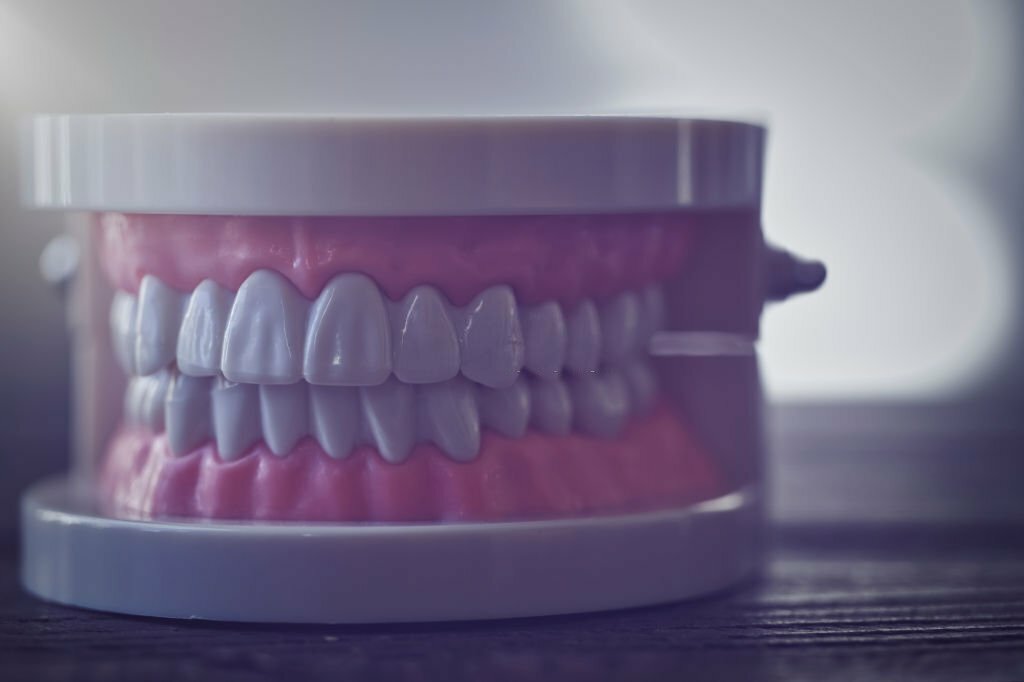
Dentures are artificial teeth crafted by your dentist in Grants to replace missing or lost natural teeth. These artificial teeth and gums are customized to fit your mouth and give you a natural feeling while talking or eating. 

Your dentist will suggest different dentures based on your oral condition. They can be full or partial, meaning they can completely cover the top or bottom gum line or simply a few missing teeth. No matter your requirement, dentures can be designed specifically for your mouth and aesthetically similar to your natural teeth.

But What Are These Appliances Made Of?

The false dentures teeth that make up dentures used to be constructed of porcelain or plastic in the past, but more recent dentures are typically made of a robust acrylic resin. Apart from the teeth, a similar resin or a more flexible polymer material is used to design the natural gum line to fit into the natural gum line. 

This way, your denture experts develop an entire oral setting to create a supporting framework that holds the fake teeth in place and mimics the natural gum line. 

Dentures: First Sign To Watch

While there’s no evident way to tell whether or not you need dentures, a few signs indicate you need to wear dentures in the future. These signs may include: 

  • Loose teeth
  • Severe pain or toothache
  • Missing teeth
  • Swollen/red gums
  • Difficulty when chewing or biting

Once you’ve consulted with your dentist Grants, it’s time to move to the next stage of dentures, choosing among the different options. Let’s have a look at the four common types of dentures in dentistry in this section:

Full Dentures:

Full or complete dentures fill the whole upper or lower jaw to fill the space left by missing teeth. A patient’s teeth can be replaced at once using complete dentures. They are typically acrylic and fixed.

Partial Dentures:

As the name suggests, partial dentures are a set of teeth, but not the full upper or lower set is replaced by partial dentures. They are created to restore a portion of your mouth.

Next, we have the removable and fixed dentures, both of which have their approach to dentistry. Therefore, before you select an approach with your dentist in Grants for dentures, ensure that you check out this table to weigh the pros and cons:

Type Of DentureAdvantageDisadvantage
Removable Dentures:

As the name suggests, these dentures are removable. They often replace your whole upper or lower set of teeth and are full dentures.

You could see These conventional dentures sitting within a glass of water on your nightstand. 

  • You may get a great grin back for less money.
  • Easy to adapt in one or two weeks.
  • Easy to clean at home.
  • Removable dentures require daily cleaning.
  • Lack of nutrition due to eating difficulties.
  • Removable dentures could result in bone loss since they aren’t fixed to the jaw.
Fixed Dentures:

As the name suggests, fixed dentures are aesthetically fit inside your mouth. These appliances are created to resemble your natural gums. 

They’re a remedy to avoid the agony of detachable dentures coming out of your mouth or using adhesives to hold the denture in place. 

  • No more discomfort about removing dentures.
  • Holds your bone and jaw in place, adding to your facial fixtures.
  • Fixed dentures restore missing teeth safely and stably. 
  • They are more expensive.
  • You need to spend more time in the surgical process.
  • More visits to the dentist.

How To Clean Your Dentures?

Regardless of their composition, you must clean your dentures like natural teeth. Dentures may be built of artificial teeth, but germs, plaque, and tartar can still accumulate on them and damage neighboring teeth and gums.

Therefore, it’s advisable to remove and wash your dentures thoroughly to remove any food particles between your teeth for dentures, along the gum line, or beneath the appliance.  

Why Dentures Over Other Options?

Dentures improve the appearance of your smile if you are missing more than one tooth, but they also help support the structures around your lips and cheeks. Dental dentures let you eat normally and without difficulty. You may not get all the needed nutrients when you lose your capacity to chew.

Moreover, several clinics in Grants now allow dental insurance to replace your missing teeth without causing discomfort and other health problems. 

Let’s Fix Your Smile Today!

At Sundance Dental & Orthodontics, we bring you prominent dentures dentistry. Our team is backed by professionals with years of experience in bringing out the best of your smile. Connect with us today. 

Load More