
Category : root canal

The Ultimate Guide: Post-Root Canal Dos and Don’ts

Summary:

A root canal treatment can be the turning point in your life. It can help you reclaim your oral health and well-being.

Interestingly, however, the journey to complete root canal recovery doesn’t end when you leave the office. The post-treatment period determines your oral cavity’s true success and optimal recovery. 
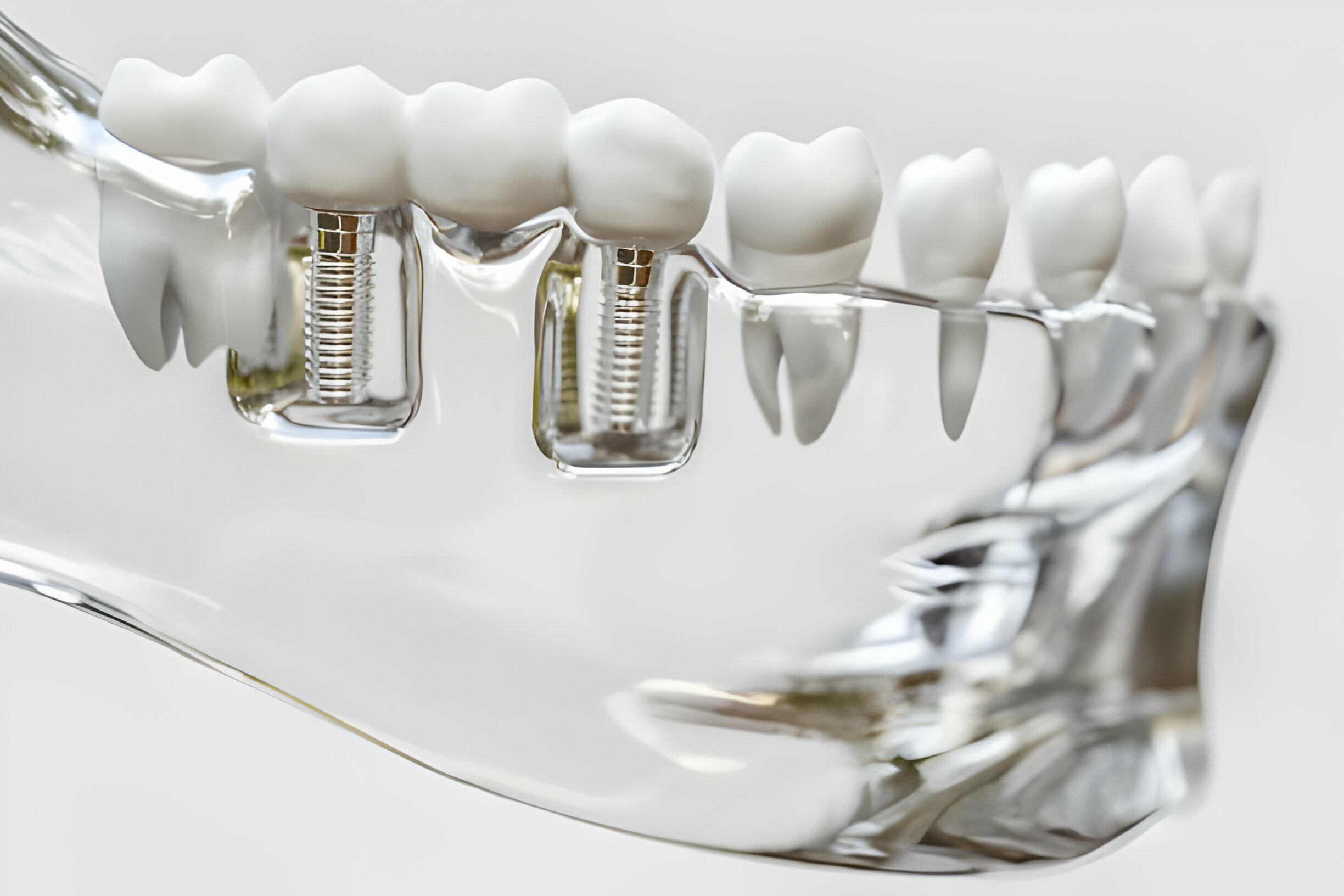
The Ultimate Guide: Post-Root Canal Dos and Don'ts_1

Keeping the same in mind, this blog takes a closer look at the dos and don’ts following the treatment via topics like: 

  • Why Is Root Canal Necessary?
  • Reality Following the Root Canal Treatment
  • The 3 Stages of Aftercare Instructions
  • What Can You Eat After a Root Canal Treatment?
  • When Can You Eat After a Root Canal Treatment?
  • Some Don’ts Following A Root Canal Therapy
  • How Long Does it Take to Recover From Root Canal Therapy?

Continue reading as we delve through these topics in the following sections. 

Why Is Root Canal Necessary?

Root canal treatment is an essential aspect of dentistry. This complex procedure is aimed at preserving an injured tooth rather than extracting it. 

Severe dental decay in an adult tooth can lead to various problems in the oral cavity, including abscessed teeth and excruciating toothaches. A root canal is a good substitute that allows you to preserve your tooth without the discomfort and illness associated with extraction.

Reality Following the Root Canal Treatment

A root canal is an effective and effortless treatment option. Once you’ve undergone the treatment, you’ll probably feel slight discomfort as the anesthesia wears off. 

This is why good aftercare is essential for reducing discomfort and preventing infections. Following the treatment, your endodontist for a root canal in Bloomfield may also suggest some aftercare instructions that you’ll have to follow along the different stages of your recovery. 

Let’s learn more about these aftercare instructions in the following sections. 

The 3 Stages of Aftercare Instructions

Following a successful root canal treatment, you will undergo recovery in three stages, which are as follows:

Immediately After the Treatment

Your mouth will remain numb for a few hours following the treatment at your root canal dentist in Bloomfield. As a result, you should avoid consuming hot beverages and chewy food. Doing any of these things risks biting your tongue or burning your mouth.

Besides, it is the ideal time to use the prescription for pain medications suggested by your dentist. Taking the medications immediately after the treatment will minimize the discomfort for the rest of the day.

Over the Next Few Days

For the next few days after your treatment, you must continue taking the prescription given by your endodontist. Once a few days have passed, you can now consume soft meals (avoid sticky ones like gum and candy).

However, while you’re at it, it’s best to chew your meal using the portion of your mouth that did not receive treatment and wash your teeth carefully. By this time, the slight discomfort will subside. 

But if your tooth is highly diseased or damaged, you may require a second visit to the dentist to remove the infected pulp completely.
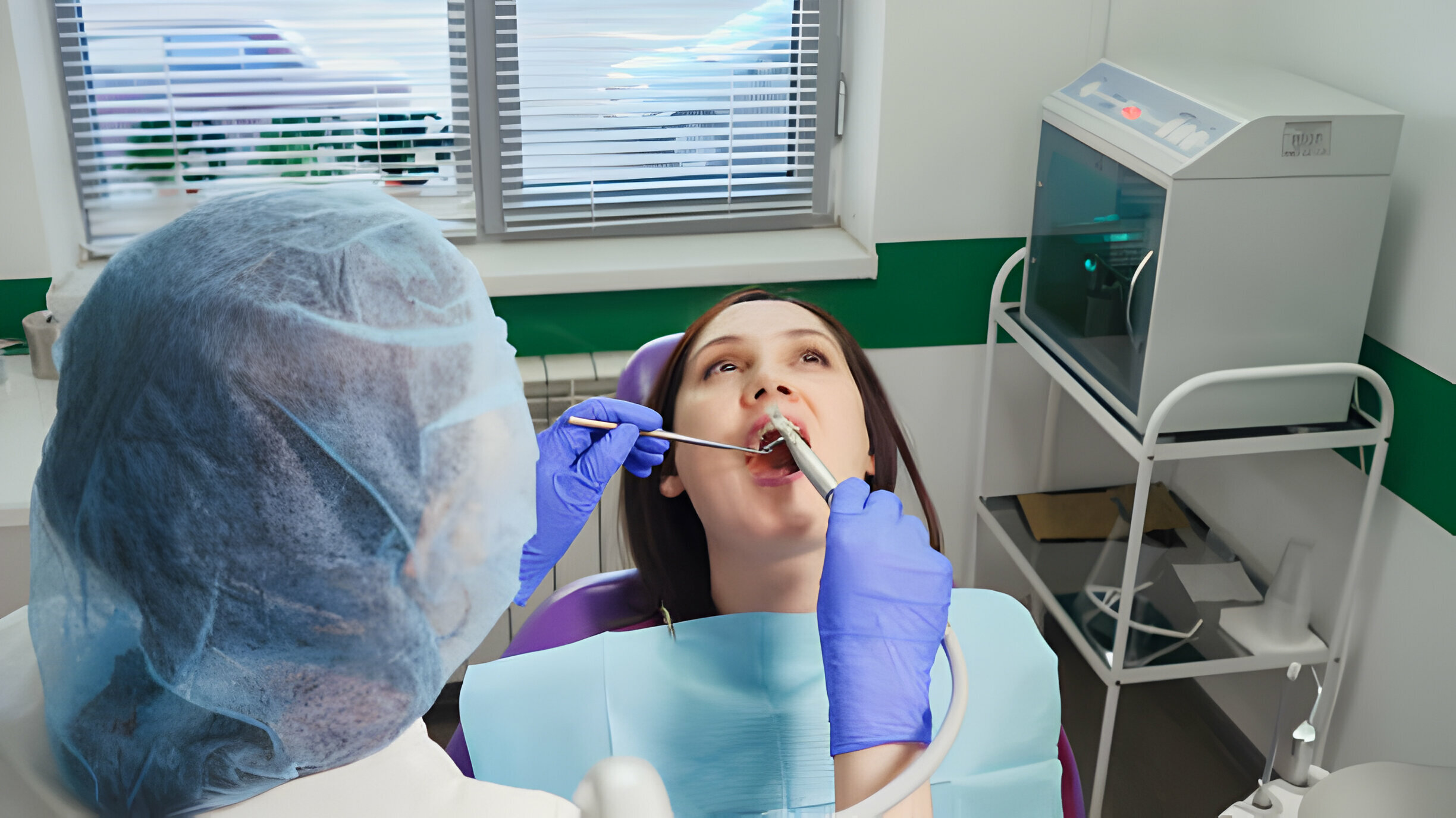
The Ultimate Guide: Post-Root Canal Dos and Don'ts_2

In the Future

Following the recovery phase, you must ensure that you visit your dentist for periodic checkups. You must also visit your endodontist even if you are pain-free and able to consume your favorite meals without any trouble. This is because the amalgam filling used in root canal therapy is only intended to be used temporarily; ultimately, a crown could be necessary.

What Can You Eat After a Root Canal Treatment?

Foods to Eat After a Root Canal

Following your treatment, you should be able to consume soft foods without crushing or biting down on your treated teeth. 

Here are some examples of soft meals that you should always keep at home:

  • Proteins: Canned tuna, eggs, peanut butter, tofu, hummus, meatloaf, and beans
  • Fruits and vegetables: Mangos, mashed potatoes, applesauce, smoothies, pureed winter squash, pears, bananas, and baked sweet potatoes
  • Fats: Avocado, yogurt, cottage cheese, and soft cheese.
  • Grains: Pasta, couscous, oatmeal, quinoa, soft bread, and polenta.

Foods to Avoid After a Root Canal

After a root canal, you must be cautious about what you consume. You must be careful not to harm your temporary filling, and if your tooth is sensitive or irritated, you should avoid foods that may exacerbate the discomfort and sensitivity. 

Do not eat:

  • Extremely hot or cold foods and beverages
  • Sticky foods, like sweets and gum
  • Chewy meals, such as some types of meat or crusty sourdough bread
  • Hard foods, such as nuts
  • Crunchy food items, such as chips and pretzels

When Can You Eat After a Root Canal Treatment?

After a root canal, we recommend waiting until your teeth and gums are numb before eating. One reason is that you may accidentally burn your mouth if you can’t tell when your meal is excessively hot.

You should gradually resume eating your favorite foods to avoid damaging your temporary filling. Following a root canal, dentists often place a temporary crown over the tooth to protect it until the permanent one is ready.

Some Don’ts Following A Root Canal Therapy

Knowing what activities to avoid after a root canal is as important as recognizing what acts help with healing. Here are some essential don’ts to consider:
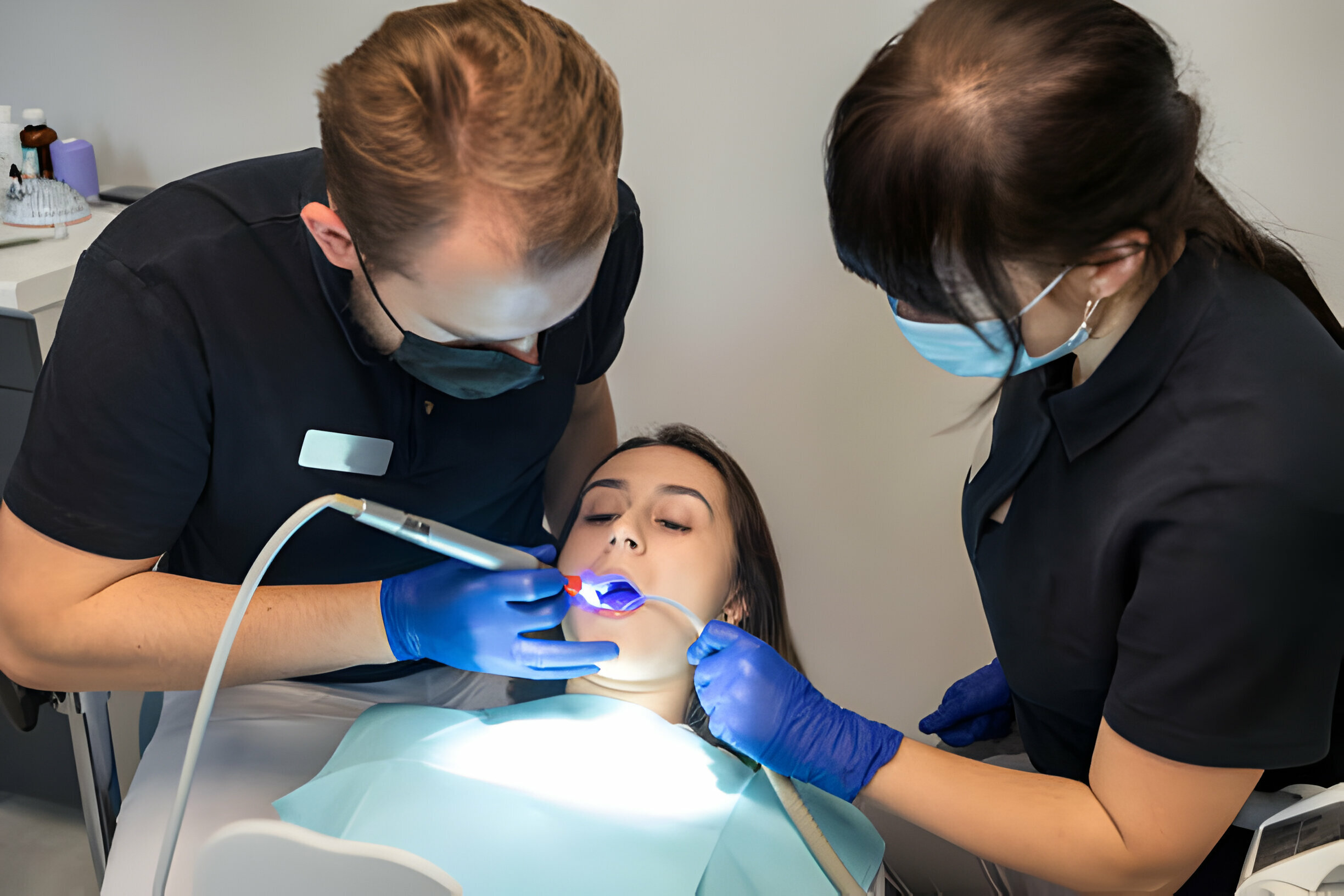
The Ultimate Guide: Post-Root Canal Dos and Don'ts_3

DON’T Neglect Oral Hygiene:

Avoid forceful brushing, particularly around the treated tooth, to avoid inflammation. Switch to moderate brushing and maintain cleanliness to avoid future difficulties.

DON’T Ignore Discomfort or Unusual Symptoms:

If you are experiencing continuous or increasing discomfort, do not ignore it. Contact your dentist right away for a more in-depth assessment. Also, report any swelling or odd discharge symptoms promptly.

DON’T Skip Medications Without Consulting Your Dentist:

Do not skip medications recommended by your dentists. Additionally, do not underdose or overdose on the suggested medications without first informing them. Adherence to the suggested regimen is critical for successful pain management and infection control.

DON’T Miss Out Follow-up Appointments:

Do not skip any planned follow-up appointments. These appointments allow your dentist to check your healing status and address new difficulties immediately.

How Long Does it Take to Recover From Root Canal Therapy?

Healing from a root canal treatment typically takes 1-2 weeks; however, individual experiences may vary. You may feel mild to severe discomfort for the first few days, but this should subside over time and usually last only a few days. 

Your healing time may also differ depending on whether you received a permanent or temporary crown during your initial appointment. Potential complications, such as an infection, may also prolong your recovery. However, this can be prevented if you follow the proper steps to recovery. 

Takeaway

  • A root canal is a branch of dentistry that focuses on preserving an injured tooth rather than extracting it. 
  • Severe dental decay in an adult tooth can lead to various problems in the oral cavity.
  • Root canal healing typically takes 1-2 weeks; however, individual experiences may vary. 
  • Following the root canal treatment, your mouth will remain numb for a few hours.
  • Are you experiencing the slightest inconvenience with your smile? Don’t risk it; visit our Sundance Dental Bloomfield clinic today for a root canal checkup! 

Root Canal Procedure: A Step-By-Step Guide

You may need to undergo a root canal procedure if you’re experiencing severe tooth pain or have been diagnosed with a root canal infection

Root canal treatment is a standard dental treatment performed by endodontists, specialized dentists who focus on diagnosing and treating dental pulp and root canal-related issues. 

However, not many patients are comfortable with the thought of undergoing a root canal treatment. It is primarily due to the lack of information and myths about the treatment procedure. 

This article focuses on being your guide to the root canal procedure. So continue reading as we provide a comprehensive step-by-step guide to help you better understand the root canal procedure, from diagnosis to recovery. 

Why Choose A Root Canal Procedure?

Choosing a root canal procedure offers several benefits. Firstly, it allows for preserving the natural tooth, avoiding needing tooth replacement options. Additionally, a root canal eliminates severe tooth pain caused by infection or damage to the dental pulp. 

Removing the infected pulp and disinfecting the root canal system prevents further infection and its spread. Furthermore, root canals restore tooth functionality by placing a dental crown, ensuring comfortable biting, chewing, and speaking. 

Ultimately, opting for a root canal is cost-effective and aesthetically pleasing, providing long-term oral health benefits. The dentist at Sundance Endodontics will explain the root canal treatment steps to the patient.

So now that we have an idea of the perks of a root canal let’s jump into the stages involved in the treatment in the following section. 

Stages Of Root Canal Treatment

Step 1: Consultation With Your Dentist

The first step in the root canal process is to consult a dentist, such as those at Sundance Endodontics, who can diagnose the problem and determine if a root canal is necessary. The dentist will inspect your tooth during the consultation and may use X-rays to determine the severity of the infection or dental pulp damage.

Step 2: Administering Local Anesthesia

Once the dentist confirms the need for a root canal, the following root canal treatment step is to administer local anesthesia to numb the area around the affected tooth. This ensures that you remain comfortable and pain-free throughout the procedure.

Step 3: Creating An Access Point

After the anesthesia takes effect, the dentist will use specialized tools to create a small access point in the tooth. This access point allows the dentist to reach the infected or damaged dental pulp inside the tooth.

Step 4: Removing Infected Pulp

Using a series of files, the dentist carefully removes the infected or damaged dental pulp from the tooth. The dental pulp contains nerves and blood vessels, and its removal is necessary to eliminate pain and prevent the spread of infection.

Step 5: Cleaning and Shaping the Root Canal Cavity

Once the infected pulp is removed, the dentist will clean and shape the root canal cavity using small files. This process ensures that all infected tissue and debris are thoroughly eliminated from the tooth.

Step 6: Irrigation and Disinfection

The dentist will flush the area with an antimicrobial solution to clean the root canal system. This helps to disinfect the tooth and eliminate any remaining bacteria.

Step 7: Filling the Root Canal

After thoroughly cleaning and disinfecting the tooth, the dentist will fill the root canal cavity with a biocompatible gutta-percha material. Gutta-percha seals the canal and prevents future reinfection.

Step 8: Placing a Temporary Filling

At this stage, your dentist will place a temporary filling over the access point to protect the tooth until filling the root canal and placing the final restoration.

Step 9: Final Restoration

In most cases, a dental crown is placed as the final restoration for a tooth with a root canal. The dental crown strengthens and protects the treated tooth, restoring its functionality and appearance.

Root Canal Recovery Timeline

Following the root canal procedure, it is normal to experience some discomfort and sensitivity in the treated tooth. Over-the-counter pain medications can help alleviate any pain or swelling. 

The recovery timeline varies for each individual, but most patients can expect their tooth to feel back to normal within a few days to a week. Good oral hygiene during root canal recovery is essential, as brushing and flossing regularly is essential. 

Now You Know!

In conclusion, a root canal procedure is a common dental treatment to save a tooth from extraction and alleviate pain caused by an infected or damaged dental pulp. Following the step-by-step guide outlined in this article, you can better understand the root canal process, from diagnosis to recovery. 

So if you are experiencing tooth pain or suspect you may need a root canal, consult a reputable dentist in Gallup, such as Sundance Endodontics, to receive the proper diagnosis and treatment for your dental condition. All the best! 

Choose The Right Root Canal Experts!

Choosing the right root canal experts is the key to receiving an effortless treatment procedure. At Sundance Dental & Orthodontics, we bring experts with years of experience executing hassle-free root canal treatment. Visit our clinic today or book an appointment with our experts to learn more. 

Do’s and Don’ts of Root Canal Aftercare

We know the initial days right after undergoing root canal therapy are challenging for you. The entire process was already painful enough, even with proper anesthesia. And on top of that, the very thought of enduring the pain in the next few days is mind-numbing.

This Is why proper dental aftercare is essential to manage your pain post-therapy. Your dentists may have discussed the ways you can manage pain after a root canal treatment to avoid infections.

Take the proper steps After a root canal procedure for aftercare. Here are some of the essential do’s and don’ts of root canal post-procedure to ensure a faster healing process and maintain good dental health.

What Should You Do After Root Canal Treatment?

Right after the root canal procedure, you need to keep these things in mind.

  • Brush and floss our teeth regularly: Even if it’s painful, you must follow your usual oral habits, like brushing and flossing, to avoid any plaque formation. Plaque is the main cause of tooth decay, and you don’t want your repaired tooth to get further damage.
  • Check any hypersensitivity: Sensitivity is normal immediately after root canal therapy, but it will reduce and go away within a few days. However, if you feel that it’s too sensitive to bear and that it’s not getting any better even after several weeks, inform your dentist at once.
  • Track any tooth or gum swellings: Swelling is a common phenomenon in the first few days post-treatment. But again, it should reduce with time as you start healing. If it doesn’t improve with time, contact your dental professional.
  • You can take painkillers or pain relievers: According to dentists at reputed clinics for cosmetic dentistry in Farmington NM, you can take pain-relieving medicines to reduce pain and discomfort after a root canal procedure. The medications will be temporary and should be taken as prescribed by your endodontist. Don’t worry; the pain will go away within a few days.
  • Taking antibiotics and/or pain medications as prescribed

What Shouldn’t You Do After Root Canal Treatment?

Among the list of activities you should abstain from doing include –

  • Avoid eating immediately after the root canal procedure: After the therapy, your gums may still be numb and prone to bacterial infections. Besides, due to numbness, it’s difficult to eat or chew your food, thus increasing the chances of bad bites and other injuries.
  • Avoid brushing your teeth aggressively: After undergoing a root canal procedure, the affected teeth and the nearby gums are still in the recovery process. Always be gentle while brushing your teeth during the initial days after the therapy unless you recover completely.

We know that you are extra careful after the damage, so you want to get rid of any plaque. But aggressive brushing right after the therapy would only make the recovery time longer than usual.

  • Don’t have hard or crunchy foods after the root canal: Even if you have resumed your normal life, try to avoid crunchy or hard foods. As mentioned above, the root canal site is still recovering and will take some time. So, unless your dentist permits, avoid these foods for some time.
  • Don’t ignore follow-up visits to the dentist: Root canal therapy needs care and regular examination even after the procedure is done. Visit your dentist regularly for follow-up examinations to monitor the recovery stage of the site.
  • DON’T ignore any persistent soreness, swelling, or persistent discomfort.
  • DON’T smoke or drink alcohol within 48 hours.

Final Words

Root canal treatment processes may be hectic, but if you follow these important dos and don’ts, you can easily manage your pain and discomfort. However, the success of the treatment largely depends on the skills and expertise of the professional.

Therefore, it is recommended that you should visit a trained and experienced dentist or endodontist associated with recognized clinics like Sundance dental in Grants NM, or elsewhere for higher chances of success.